Politics
The Legacy Debate: Donald Duke, Kashim Shettima, And The Peter Obi Phenomenon -By Albert Afeso Akanbi
Each represents a different facet of Nigerian politics: legacy, intelligence, and emotional appeal. The challenge for Nigeria is to move beyond personality-driven politics and build institutions that outlast individuals.

A good friend of mine, an older egbon who lectures at one of the universities in the UK, sent me a video this morning. In it, Nigeria’s Vice President Kashim Shettima was speaking, with his characteristic northern accent where he often interchanges “P” for “F” — calling “France” Prance and “People” Feofle 😅😆. This is on a lighter note.
After listening to Shettima and hearing my friend’s take on him, one line from his comment inspired this article. He said: “This guy may be part of the evil cartel in Nigeria, but Obi cannot match his intelligence. Whenever I listen to his analysis, he is always on point.”
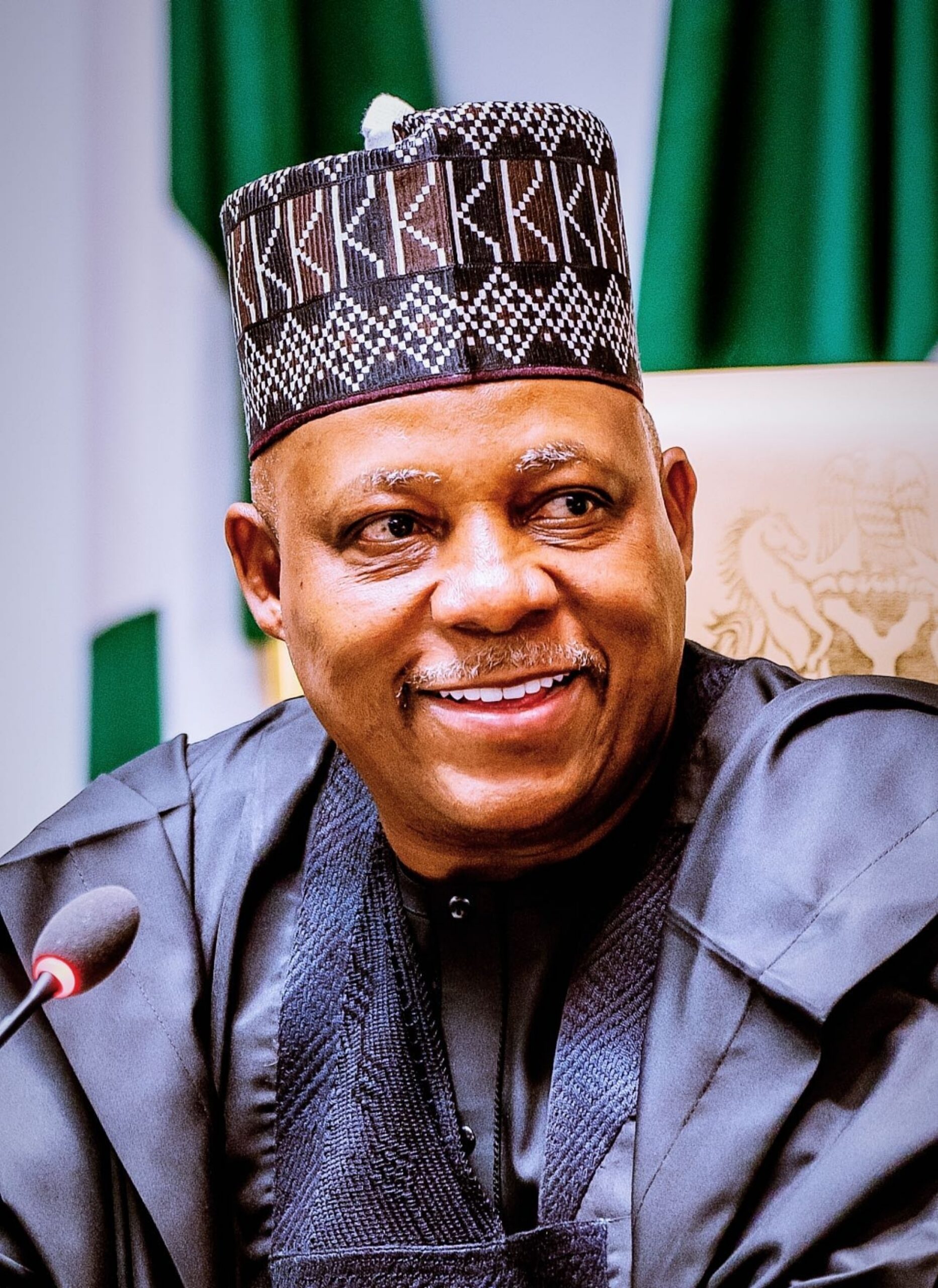

And I agree with my friend completely! You see eh, in Nigeria’s evolving political landscape, many Nigerians do not appreciate that legacies and perceptions often, and should matter more than what politicians say.
That is why, away from all the noise, theatrics, and content creation around Peter Obi, when comparing figures like the former governor of Cross River State, Donald Duke, Kashim Shettima, and Peter Obi, it becomes clear to me that the narratives surrounding them are shaped not by their records but by the emotions of most Nigerian people.
I will continue to drum it for as many who are willing to listen: many Nigerians love drama, they are simpletons and perhaps dumb, that’s why they don’t pay attention to the real issues.
Donald Duke left behind a legacy that continues to resonate today, even though, like Obi, he left office many years ago. His tenure is remembered for bold initiatives such as the world-class Tinapa Resort project, the Obudu Cattle Ranch revitalization, the Calabar Carnival, just to mention a few. Presidents, like the late Umoru Yar’Dua, take holidays at these resorts, even though subsequent governments have abandoned the projects.
But we can still point to them.These projects, though not without challenges, symbolized a vision of economic diversification and tourism development.
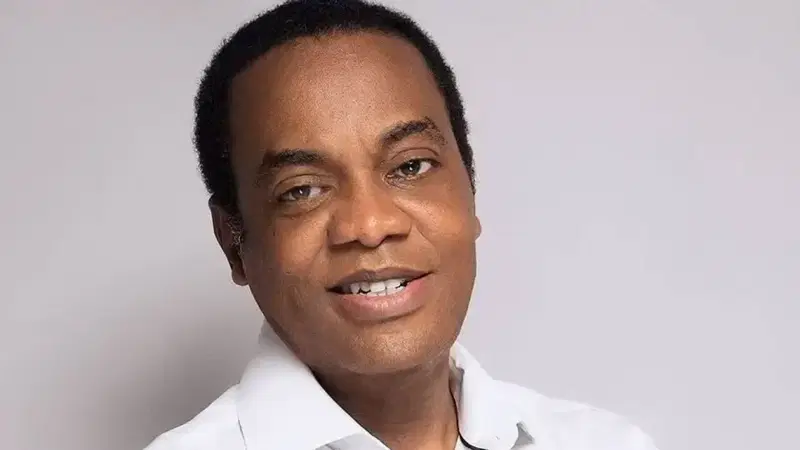

Duke’s ability to think beyond the immediate political cycle gave him a reputation as a leader who sought to transform his state into a hub of commerce and leisure. Compared to Peter Obi, whose governorship in Anambra State was marked by fiscal prudence and savings (according to him, though succeeding administrations have variously denied this), Duke’s legacy is broader in scope.
Obi is often praised for his frugality, but Duke is remembered for daring to dream big and attempting to position his state on the global map. This difference in legacy is why I argue that Duke’s imprint on Nigeria’s political imagination is by far deeper than Obi’s.
He is more broadminded and cosmopolitan. Have you seen him fielding questions at interviews? Have you seen Obi fielding questions? The difference will be clear to discerning minds.
On the other hand, Kashim Shettima, Nigeria’s current vice president, is a figure of contradictions. His record as governor of Borno State is marred by the challenges of insurgency and questions about his administration’s handling of security.
His party affiliation also places him in a political camp that many Nigerians distrust and adjudge as evil. Personally, I think APC is evil, I think Tinubu is a waste of time, but Shettima is way brighter in intellect than Obi.
He is often described by admirers as intellectually sharp. And I agree with them because his speeches reveal a command of language, wit, and strategic thinking. Even critics admit that he can dissect complex issues with clarity.
While Peter Obi is admired for his simplicity and relatable style, Shettima’s intelligence is seen in his ability to navigate hostile environments and articulate nuanced positions.
In a country where political survival requires both intellect and resilience, Shettima demonstrates a kind of intelligence that goes beyond textbook economics and Malaysia-cum-spare-parts analysis when it comes to issues of development.
Like I will keep saying, the rise of people like VDM or Peter Obi to prominence is inseparable from Nigeria’s collective yearning for relief from years of suffering and betrayal. Our leaders — political, religious, and otherwise — have failed and betrayed the people.
And so, after decades of corruption, mismanagement, and broken promises, Nigerians are desperate for a leader who embodies honesty and hope.
Obi’s perceived image as a frugal, disciplined politician fits perfectly into this narrative. And I believe this is in part because of the many things he says, even if most are not true. Nigerians, who naturally don’t reflect deeply, would obviously gravitate towards a man like that.
We have seen this happen many times in history. This phenomenon is often described as the “messiah syndrome.” Nigerians, battered by hardship, flock to Obi not necessarily because he has anything of substance to offer beyond talk, but because he represents a symbolic break from suffering that Nigerians yearn for, and so, in him, they see a messiah, even if that is clinging to straws..
Nigerians see him as an answer to their fight against the evil forces that hold the country down, not minding the fact that he is part of them. His supporters see him as the antidote to years of failed leadership, even though a disease can never be its own cure.
The emotional connection between Obi and his followers is less about policy specifics and more about the promise of salvation.
However, this syndrome can be problematic. It risks elevating a leader beyond scrutiny, turning political support into blind faith.While Obi’s appeal to his followers may be genuine, it is also fueled by desperation — a desire to believe in someone, anyone, who seems different from the corrupt establishment.
Donald Duke’s legacy lies in his bold vision, Kashim Shettima’s strength is his sharp intellect despite controversy, but for me, Peter Obi’s popularity is rooted in the messiah syndrome of a suffering populace.
Each represents a different facet of Nigerian politics: legacy, intelligence, and emotional appeal. The challenge for Nigeria is to move beyond personality-driven politics and build institutions that outlast individuals.
Until then, figures like Duke, Shettima, and Obi will continue to dominate conversations, not just for what they have done, but for what Nigerians project onto them.
Una good morning o my people, and happy Sunday!!!!
ᴀʟʙᴇʀᴛ ᴀꜰᴇꜱᴏ ᴀᴋᴀɴʙɪ ɪꜱ ᴀ ᴄʀᴇᴀᴛɪᴠᴇ ᴅɪʀᴇᴄᴛᴏʀ ᴀᴛ @ᴅᴏᴘᴘʟᴇʀꜰɪʟᴍꜱ ᴘʀᴏᴅᴜᴄᴛɪᴏɴ ʟᴛᴅ.