Forgotten Dairies
From Celebration to Legislation: Nigeria Must Act on Women’s Political Inclusion -By Muhammad Dan Musa
Nigeria prides itself on being Africa’s largest democracy. Yet a democracy cannot be considered truly representative when half of its population remains largely excluded from political power.

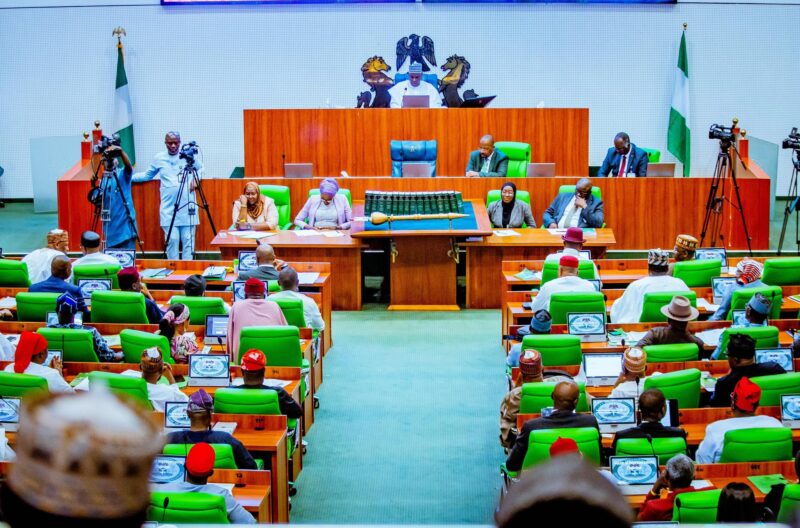
On March 8, 2026, Nigeria joined the rest of the world in celebrating International Women’s Day. Across the country, citizens applauded achievements, honoured resilience, and shared messages of empowerment. Yet beneath the speeches and social media hashtags lies a troubling reality: women remain dangerously under-represented in political leadership.
Despite making up nearly half of the population, Nigerian women occupy only about 3.9 per cent of seats in the National Assembly—one of the lowest rates of female political representation in the world. This is more than a gender gap; it represents a serious democratic deficit.
Globally, women hold an average of about 26 per cent of parliamentary seats. Nigeria barely reaches four per cent. This is not merely a statistical embarrassment. Excluding women from decision-making has consequences for policy priorities, governance, and national development. Issues such as maternal health, education, economic inclusion, and family welfare often receive less attention when women’s voices are missing from legislative chambers.
Representation is not just symbolic. It is a matter of justice, accountability, and effective governance.
One of the most significant proposals currently being discussed is the Special Seats for Women Bill before the National Assembly. The bill seeks to create additional legislative seats reserved for women at both national and state levels. Such structural reforms are important because Nigeria’s political environment continues to make it extremely difficult for women to compete in elections.
High nomination fees, male-dominated party leadership structures, and deeply rooted societal biases often discourage women from entering politics in the first place. Even those who attempt to run frequently face intimidation, financial barriers, and limited institutional support.
Civil society organisations and gender-rights advocates have repeatedly called on lawmakers to transform the promises made during International Women’s Day celebrations into real legislative action. For them, passing reforms that encourage women’s participation in politics is not simply about representation; it is about strengthening Nigeria’s democracy.
Several factors continue to limit women’s political participation. Cultural attitudes remain a major challenge. In many communities, leadership is still widely associated with men, while women are expected to focus on domestic responsibilities. This perception alone discourages many capable women from seeking public office.
Economic barriers are another major obstacle. Campaigning in Nigeria requires enormous financial resources. From nomination forms to campaign logistics, the cost of contesting elections often places women at a disadvantage compared to their male counterparts who may have stronger financial backing and political networks.
Institutional support is also weak. Many political parties lack clear strategies for promoting female candidates, and internal party structures are often dominated by men. Without deliberate reforms, these structural barriers simply reproduce themselves every election cycle.
The consequences of this exclusion are significant. When women are absent from legislative institutions, policies that affect families, children, and social welfare risk being overlooked. Gender-balanced leadership often produces more inclusive policymaking because it reflects the experiences and needs of the entire population.
International Women’s Day plays an important role in celebrating progress and raising awareness, but symbolic recognition alone cannot transform political systems. Real change requires deliberate policies and institutional reforms.
The Special Seats for Women Bill represents one possible pathway toward correcting decades of political imbalance. It is not about granting favours; it is about addressing structural barriers that have historically prevented women from participating fully in governance.
However, passing the bill should only be the beginning. Political parties must also commit to internal reforms that encourage female participation. Introducing voluntary party quotas and reducing nomination fees for women candidates could help build stronger pathways into leadership.
Legal protections are equally important. Women who participate in politics often face intimidation, harassment, and electoral violence. Strengthening legal safeguards would help create a safer environment for female candidates.
Capacity-building initiatives are also necessary. Training programmes, mentorship networks, and campaign financing support can help prepare more women to contest elections successfully.
Finally, there must be broader societal change. Public attitudes toward female leadership need to evolve. Celebrating successful women leaders and promoting them as role models can gradually shift perceptions and encourage more women to participate in governance.
Nigeria prides itself on being Africa’s largest democracy. Yet a democracy cannot be considered truly representative when half of its population remains largely excluded from political power.
International Women’s Day should not end with ceremonies and speeches. It should serve as a reminder that meaningful democracy requires inclusion, participation, and equal opportunity.
Nigeria now faces an important choice: continue celebrating women symbolically, or take concrete steps to ensure their full participation in political leadership.
The future of the country’s democracy may well depend on that decision.
— Muhammad Dan Musa
Muhammad Dan Musa is a 400-level Mass Communication student at the Federal University of Kashere, Gombe State, Nigeria. He is a student journalist, public affairs commentator, and media enthusiast interested in governance, communication, and social development.