Africa
“When Water Runs Out: The Daily Struggle of Families Across Jos” -By Rinret Istifanus
Localized fixes are no longer sufficient. Jos needs coordinated, city wide strategies to guarantee equitable access to water for all residents. Without action, families will continue to endure the daily hardships of rationing life itself.

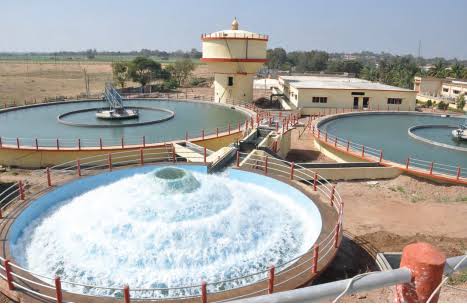
Water the most basic necessity of life is fast becoming a luxury in Jos. While Kufang often makes headlines, the reality is that Kangang, Tudun Wada, Abattoir, and nearby communities are equally affected. Every day, families face empty taps, long queues at communal water points, and the constant challenge of securing enough water for drinking, cooking, and cleaning.
The struggle is personal and relentless. Georgina Makeri, a mother in Kufang, shared her daily ordeal: her family wakes up as early as 4 a.m. to fetch water, yet they often return home with only three buckets for over five people in the household. “How are we supposed to cope?” she asks, her words reflecting the frustration and helplessness experienced by many families. Even when water is secured, it is barely enough to meet the most basic needs.
In Kangang, a car brings water for the community, but the supply is insufficient for the number of families relying on it. Observations in Tudun Wada and Abattoir show that water scarcity is widespread, with households struggling to meet daily needs amid inconsistent supply. The problem is not confined to one neighborhood it is a city wide challenge, silently endured by thousands of families across Jos.
The causes of this crisis are multiple. Aging water infrastructure, irregular supply schedules, and inadequate maintenance leave neighborhoods dependent on intermittent or unsafe sources. Climate variations, prolonged dry spells, and a rising population put additional pressure on already limited resources. Yet despite the visible urgency, solutions remain slow and fragmented, leaving communities to fend for themselves.
The impact is felt across every aspect of daily life. Parents sacrifice sleep and time to fetch water, often before starting their workday. Children may miss school, either to help with water chores or because scarcity affects their ability to bathe, wash uniforms, or prepare meals. Small businesses particularly food vendors, salons, and laundry services struggle to operate or even shut down temporarily. Hygiene and health deteriorate, increasing the risk of waterborne diseases. The daily cost of survival time, money, and energy falls hardest on the most vulnerable: the poor, the elderly, and households with children.
Observing the situation firsthand, it becomes clear that water scarcity is not just an inconvenience it is a crisis that touches every part of life. Families ration water, sometimes skipping cleaning, sometimes compromising hygiene, while hoping that supply improves before it’s too late. The rhythm of life in these communities is dictated by the availability of water, and until the taps run consistently, daily life will remain a constant struggle.
Localized fixes are no longer sufficient. Jos needs coordinated, city wide strategies to guarantee equitable access to water for all residents. Without action, families will continue to endure the daily hardships of rationing life itself.
When water runs out in Kufang, Kangang, Tudun Wada, Abattoir, and beyond, it is not just taps that are empty it is hope, patience, and the dignity of thousands of Jos residents that is running dry. The time to act is now, before survival itself becomes a luxury.