Forgotten Dairies
Why Nigeria Should Reconsider Fuel Subsidy Now That Local Refining Has Begun -By Adeyemi Temitope Sanya
Subsidy in itself is not a bad policy. Many countries around the world still support their citizens through various forms of energy subsidy. Indonesia maintains government-controlled fuel prices. India subsidizes certain energy products. Several oil-producing countries in the Middle East sell fuel domestically at prices far below global market levels.

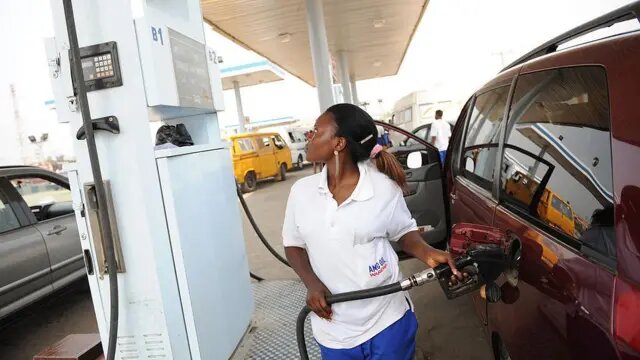
For years, the conversation around fuel subsidy in Nigeria has been very emotional. But if we strip away the emotions and look strictly at the economic indicators, the debate becomes clearer.
When the government removed fuel subsidy in May 2023, the decision was largely driven by the structure of Nigeria’s petroleum economy at the time.
First, Nigeria was almost completely dependent on imported refined fuel. Despite being a major crude oil producer, the country had allowed its local refineries to collapse. As a result, petrol consumed in Nigeria was mostly refined abroad and imported back into the country.
Second, the cost had become overwhelming. Nigeria spent about ₦4.39 trillion on fuel subsidy in 2022 alone. To put that into perspective, that amount was larger than the federal government’s combined allocations to education and health in the same period. At that level, the subsidy was clearly eating deep into public finances.
Third, the price gap between Nigeria and neighboring countries encouraged massive smuggling. Subsidized petrol meant to benefit Nigerians was regularly transported across borders and sold at higher prices. In reality, a large portion of the subsidy ended up benefiting smugglers and middlemen rather than Nigerian citizens.
Fourth, the subsidy system had a long history of corruption and inflated claims by importers. Several investigations over the years exposed billions of naira paid out for fuel that was never delivered.
These were legitimate reasons for ending the subsidy at that time.
However, the situation today is beginning to look different.
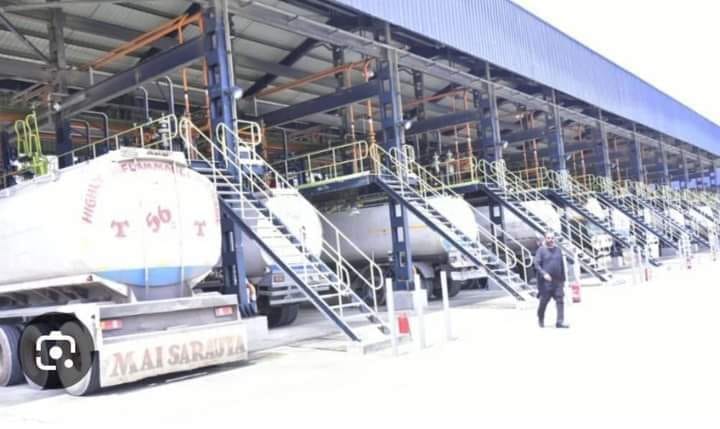
The most important development is the start of large-scale domestic refining. With the Dangote refinery now operational and capable of processing about 650,000 barrels of crude oil per day, Nigeria is gradually moving away from its long-standing dependence on imported refined products.
Local refining changes the economics of the entire system.
When petrol is refined domestically, the country avoids the heavy costs associated with shipping, insurance, international logistics, and foreign refinery margins. It also reduces pressure on Nigeria’s foreign exchange reserves, since fewer dollars are needed to import fuel.
For years, petroleum imports were one of the largest drains on Nigeria’s foreign exchange. Domestic refining has the potential to significantly reduce that burden.
This is why the policy conversation should evolve.
Subsidy in itself is not a bad policy. Many countries around the world still support their citizens through various forms of energy subsidy. Indonesia maintains government-controlled fuel prices. India subsidizes certain energy products. Several oil-producing countries in the Middle East sell fuel domestically at prices far below global market levels.
The real issue has never been the existence of subsidy. The issue has always been sustainability and transparency.
When Nigeria was importing nearly all its fuel, subsidy payments largely supported foreign refineries, importers, and smugglers. In that environment, the policy became difficult to justify.
But with domestic refining now entering the system, the economic dynamics are changing.
This does not necessarily mean a return to the old subsidy regime that was plagued by fraud and fiscal leakages. However, it does open the door for a more structured and transparent approach. Possibly a targeted subsidy that supports transportation, small businesses, and ordinary households.
Economic policies should evolve with changing realities. And with Nigeria finally beginning to refine its own fuel again, the conditions that once made subsidy unsustainable are no longer exactly the same today.