Politics
2027 Elections: INEC & Citizens, Time to Rise to the Challenge -By Abba Dukawa
Economically, Nigeria remains fragile as of June 30, 2025, public debt had reached ₦152.39 trillion ($369 billion), with projections surpassing ₦160 trillion before year-end. In 2026, ₦15.52 trillion—26.7% of the ₦58.18 trillion national budget—is earmarked solely for debt servicing. This is money not spent on roads, hospitals, schools, or job creation. Every naira spent on interest is a naira denied to children, patients, and entrepreneurs.


Following mounting public pressure, the leadership of the National Assembly was compelled to amend Section 60 of the Electoral Act, allowing presiding officers at polling units to electronically transmit election results to INEC’s Results Viewing Portal (IREV).
Under the amended law, electronic transmission is now permitted where technology allows. Yet, the provision retaining manually signed Form EC8A as the fallback in cases of “technical failure” leaves a troubling loophole that many Nigerians find unacceptable.
Before this reversal, the Senate had maintained the restrictive provisions of the 2023 Electoral Act, hindering full electronic transmission and casting doubt on its commitment to electoral transparency. After finally heeding the reasoned voices of Nigerians, an even more concerning development emerged.
Even before INEC releases the official timetable, political maneuvering is already underway. Campaigns have unofficially begun, propaganda is heating up, alliances are shifting, and familiar promises are flooding the airwaves. The question remains: can Nigerians see through the noise and prioritize the nation’s future?
The Independent National Electoral Commission (INEC) has set the stage for the 2027 general elections. Presidential and National Assembly elections are scheduled for February 20, 2027, while Governorship and State Assembly elections will take place on March 6, 2027. Concerns have been raised about the timing coinciding with Ramadan, which could affect voter participation. INEC has indicated it may adjust the dates and has urged all stakeholders to support a peaceful and lawful electoral process.
Prof Amutipan, INEC Chairman
Yet, an audacious statement by the INEC Chairman, Prof. Amupitan, has raised alarm: the Commission cannot guarantee real-time electronic transmission of election results because it does not control the nation’s telecommunications network. “We do not even have a network of our own,” he admitted.
For an institution constitutionally mandated to safeguard electoral integrity, this admission is deeply troubling. It strikes at the heart of public confidence in our democratic process. At a time when Nigerians demand transparency, credibility, and efficiency, such a statement raises serious questions about preparedness, accountability, and leadership.
One must ask: why is the Commission not exploring innovative alternatives like Starlink, operated by SpaceX, which provides high-speed satellite internet capable of supporting real-time transmission even in remote areas? In a country where network failures and connectivity issues are persistent, this is not just an option it is a viable solution that warrants urgent consideration.
The Chairman’s admission reinforces concerns voiced by political actors, civil society groups, and non-partisan stakeholders regarding his suitability to lead the electoral body at such a critical juncture. Leadership of an institution tasked with safeguarding democracy demands innovation, foresight, and unwavering commitment—not public acknowledgment of systemic incapacity.
This concern is magnified by projections that the 2027 general elections will be Nigeria’s most expensive yet. With INEC allocated ₦1.013 trillion in the 2026 budget, Nigerians are justified in demanding value for money. Such a vast appropriation raises pressing questions about fiscal discipline, accountability, and prudent management of public resources.
At this critical juncture, Nigerians deserve free and fair elections—not excuses. Transparency must not be compromised, and technological limitations cannot be allowed to undermine electoral integrity.
As the nation approaches 2027, let’s be clear: Section 60(3) of the Electoral Act is not the core issue. The real problem is our repeated failure to elect leaders who genuinely believe in Nigeria’s future and have the competence, courage, and integrity to protect it. Until we confront this truth, no legal amendment can safeguard our democracy.
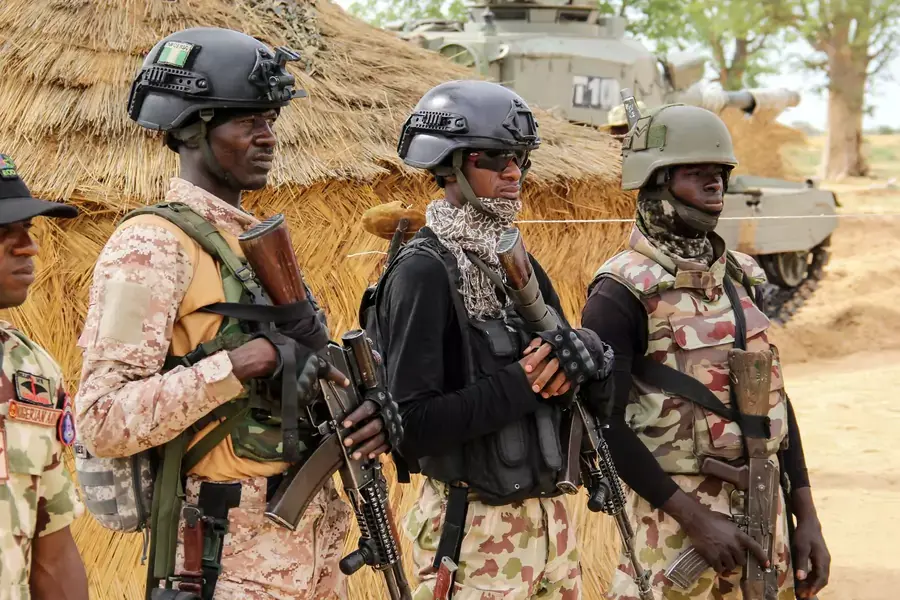
Security is no longer abstract debates—they are daily realities for millions of Nigerians. Bandits, kidnappers, and terrorists strike with alarming regularity, leaving innocent lives destroyed and communities devastated. Citizens wake each day with anxiety, parents fear for their children, and farmers and travelers navigate their routines under constant threat. No society can thrive under such conditions.
Economically, Nigeria remains fragile as of June 30, 2025, public debt had reached ₦152.39 trillion ($369 billion), with projections surpassing ₦160 trillion before year-end. In 2026, ₦15.52 trillion—26.7% of the ₦58.18 trillion national budget—is earmarked solely for debt servicing. This is money not spent on roads, hospitals, schools, or job creation. Every naira spent on interest is a naira denied to children, patients, and entrepreneurs.
Inflation bites into every household, insecurity shatters lives, and economic decline crushes dreams across tribes, religions, and regions. These struggles are tangible, felt in empty stomachs, sleepless nights, and anxious parents. Now, more than ever, Nigerians must vote based on competence, integrity, and vision not empty promises or fleeting popularity. Years of poor electoral decisions and weak accountability have left the nation overstretched.
We must reject recycled failures masquerading as “experienced leaders.” Every vote traded for short-term gain, every compromise of principle, is theft from Nigeria’s future. Our choices in 2027 can either perpetuate disappointment or chart a path toward hope, dignity, and real progress.The responsibility for electing good leadership rests with the citizens. True change does not come from speeches or political rhetoric it comes from deliberate, courageous choices at the ballot box. Rewarding incompetence or tolerating corruption only perpetuates decline.
2027 must not be another repetition of the past; it must be a decisive turning point. Nigeria deserves leaders driven by vision, integrity, and a genuine commitment to national progress not personal ambition.
Dukawa writes from Abuja and can be reached at abbahydukawa@gmail.com