Africa
A Deep Reflection: The Akpabio-Akpoti-Udughan Situation – A Call for Accountability, Growth, and Reflection -By Psychologist John Egbeazien Oshodi
As we look forward, this situation offers a critical opportunity for Nigerian men in leadership. The power dynamics that have existed for decades have created a system where powerful men—whether in politics, business, or entertainment—believe they are untouchable, immune to the consequences of their actions. However, the time has come for this illusion to be shattered. Akpabio and other male leaders must realize that their actions will not be tolerated in this new world where the power of truth and the demand for justice transcends national borders.

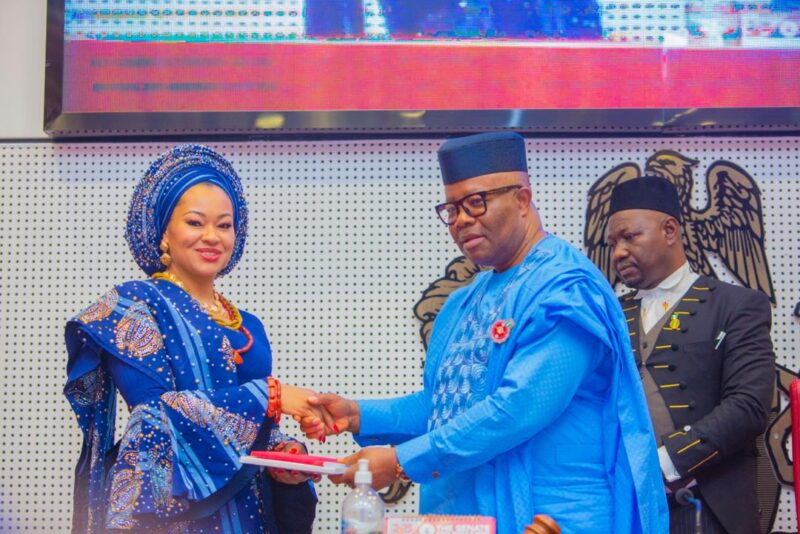
In the unfolding saga between Senator Natasha Akpoti-Udughan and Senate President Godswill Akpabio, the issue at hand is not just an individual’s conduct; it is a reflection of something far deeper, a psychological and cultural crisis that continues to plague Nigeria’s political landscape—and beyond, across Africa. What we see here is not merely an allegation of harassment or a political clash between two individuals. It’s a wake-up call to a deeply ingrained systemic abuse of power, a culture of silence, and a culture of gender inequality that has for too long been swept under the rug.
As a psychologist, one must take a moment to reflect on why these situations continue to emerge in Africa’s leadership, why women like Natasha Akpoti-Udughan feel the weight of silence forced upon them and what drives men in positions of power, like Akpabio, to act in ways that are not just unethical but psychologically damaging to both the individual involved and to the institution they represent. However, this is not a moment to vilify but a moment to educate, to reflect, and ultimately to grow.

Akpabio’s Alleged Actions: A Call to Leadership Reflection
Senator Natasha Akpoti-Udughan has made it clear: she possesses concrete evidence of the harassment and intimidation she has endured, and she is bravely standing by her truth. But this is where the deep psychological counseling part comes in for Akpabio and, by extension, for many male leaders across the continent: Silence can be powerful. The first step for a leader in such a moment is not to react impulsively but to take a moment and reflect deeply on the magnitude of the situation. Akpabio, as a leader, could benefit from silence. Instead of rushing to discredit the allegations, he might ask himself, why is this happening? and what part of my behavior might have led to this? He should focus on letting his lawyer do the talking, for lawyers are trained to address these matters, not in the heat of emotion or defense of pride, but in the calm, strategic manner that truth often demands.
To Akpabio and other powerful men who share a similar mindset: this is not about being right or proving your personal dignity. It is about leadership, and true leadership comes not from deflecting or attacking, but from facing the consequences of your actions. In such delicate matters, silence, when employed with humility, becomes the greatest tool for introspection and growth.
The Global Spotlight and Why It Matters
It is not lost on anyone that Akpabio’s conduct is now under global scrutiny. This is no longer just a national matter; it’s a global issue. The allegations have reverberated across the globe, thanks to social media, global human rights advocates, and international observers. The spotlight is now on Nigeria, and Akpabio has to understand that while local institutions might try to protect him or silence this issue, the world cannot be silenced. Human rights organizations, global media, and international women’s movements will demand accountability for abuses of power, especially when they are against women in leadership.

This is the reality of today’s globalized world. Akpabio, much like other leaders in positions of authority across the continent, is not immune to the international gaze. The world is no longer turning a blind eye to systemic abuse, no matter how much a compromised Nigerian judiciary, police force, or political system tries to cover it up. Leaders must adapt, reflect, and learn that in this day and age, no one can simply hide behind their office or their status.
The Truth About Power and Leadership in Africa
What stands out in this situation is the power imbalance between men and women in leadership roles across Africa. Senator Natasha Akpoti-Udughan is not just fighting for herself; she is fighting for every woman who has ever faced harassment, silence, and intimidation from men in power. Her courage speaks to the heart of what many women face in political offices: the fear of retaliation, the silencing of their voices, and the constant threat of being victimized for speaking out.
This moment is not just about Natasha—it is about the need to change the leadership culture in Africa. Men like Akpabio, who have grown accustomed to power and privilege, need to recognize the psychological dynamics at play: when you use your power to manipulate, control, or abuse, it doesn’t just damage the person you’re targeting. It destroys the integrity of the system you’re meant to lead. Leadership is about service, not about using your position to undermine others, especially women. In fact, Akpabio has a critical role to play in redefining African leadership—not through cover-ups or deflections, but through humility, reflection, and change.
Psychological Insight for Women: Stay Strong and Speak Out
For women, like Akpoti-Udughan, this story serves as a reminder that silence is no longer an option. It might be difficult, and it might feel like the world is against you, but speaking out is your right. And if it means facing the consequences, so be it. The truth, when spoken with courage, will ultimately empower and protect others. Akpabio’s behavior, if unchecked, will continue to hurt women, but if he faces the consequences of his actions, it might be the beginning of true change for future generations of women in politics.

For women like Akpoti-Udughan, speaking out has not been easy. The psychological toll of enduring harassment in a male-dominated political sphere is tremendous. But by speaking up, Akpoti-Udughan is offering a lesson in resilience, strength, and empowerment. She is showing the world that young women in politics will no longer be silenced, no matter the obstacles they face.
To Akpabio’s Wife: A Call for Empathy and Reflection
A critical point of discussion is the interference of Akpabio’s wife, Mrs. Unoma Akpabio, in this matter. She has taken it upon herself to defend her husband in the media. While it is completely understandable for a wife to protect her family, it is important to realize that this is not just a family matter anymore. This has become a public issue, and Mrs. Akpabio’s intervention risks causing further damage to herself and her family. Silence is often the wisest choice in these situations.
As a psychologist, I would encourage Mrs. Akpabio to step back, allow the legal process to unfold, and reflect on the larger picture. By getting involved, she might inadvertently harm her family and even undermine her husband’s chances of addressing these allegations appropriately. It is a time for reflection, not defense. The public will not be swayed by emotional or familial defenses; they will only respond to truth, accountability, and leadership.
A Critical Moment for Nigerian and African Leadership
As we look forward, this situation offers a critical opportunity for Nigerian men in leadership. The power dynamics that have existed for decades have created a system where powerful men—whether in politics, business, or entertainment—believe they are untouchable, immune to the consequences of their actions. However, the time has come for this illusion to be shattered. Akpabio and other male leaders must realize that their actions will not be tolerated in this new world where the power of truth and the demand for justice transcends national borders.
In this time of psychological reckoning and global scrutiny, it is clear that the path forward for leaders like Akpabio must be one of humility, accountability, and true leadership. They must reflect deeply on the consequences of their actions and recognize that true power comes from serving others with integrity, not from exploiting their position for personal gain.
This is a defining moment for Nigeria, for Africa, and for global leadership. Let’s hope it leads to change—not only for Akpabio but for the future of African politics and gender equality. The world is watching, and now, more than ever, it’s time for true leadership to rise.
Professor John Egbeazien Oshodi is an American psychologist, educator, author specializing in forensic clinical psychology, cross-cultural psychology, police prison science, social justice. Born in Uromi, Edo State, Nigeria, he is the son of a 37-year veteran of the Nigeria Police Force, a background that shaped his commitment to justice, security, psychological research.
A pioneer in forensic psychology, he introduced state-of-the-art forensic psychology to Nigeria in 2011 through the National Universities Commission (NUC) Nasarawa State University, where he served as an Associate Professor in the Department of Psychology. His contributions extend beyond academia into psychological health behavioral change initiatives through the Oshodi Foundation the Center for Psychological Forensic Services.
Professor Oshodi has held faculty positions at Florida Memorial University, Florida International University, Broward College, Nova Southeastern University, Lynn University. He is also a contributing faculty member in the doctoral undergraduate psychology programs at Walden University serves as a virtual professor with Weldios University Iscom University in the Benin Republic.
Beyond academia, he is a government consultant for forensic-clinical psychological services in the USA previously served as Interim Associate Dean Assistant Professor at Broward College, Florida.
He has published extensively on mental health, justice, institutional reform is the founder of the Psychoafricalysis theory, which integrates African sociocultural perspectives into psychology.
Professor Oshodi remains an influential force in advancing psychology institutional reform globally, particularly in Africa.