National Issues
A Porous Country -By Ike Willie-Nwobu
While human trafficking and irregular migration do everything within their power to reduce Nigeria’s security architecture to dust, they also do a lot to strip Nigerians of their dignity. Women and children who remain extremely vulnerable remain its biggest victims.

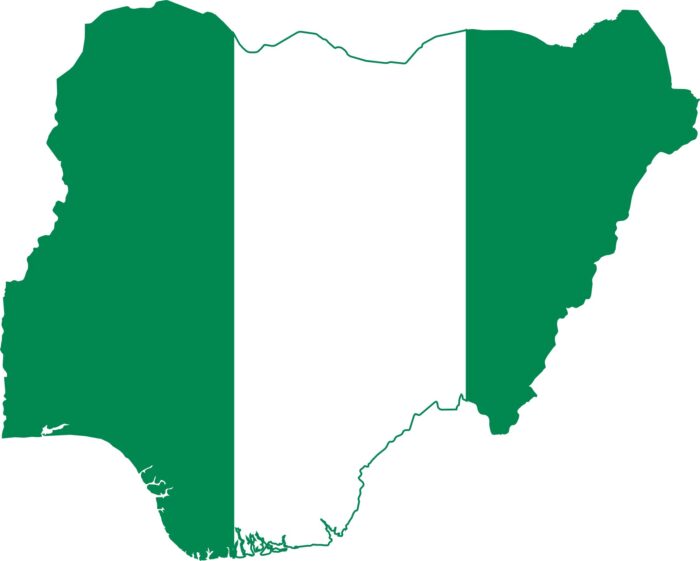
There are many Nigerians who no longer recognize their country or any country at all. For those Nigerians that were around at independence, they no longer recognize their country. Those born after then look and only see the shadow of a country. For the illegal migrants that have invaded Nigeria, the look must be very different, as different as day is from night. When they look, they must see only a field for plunder, an ungoverned space, one where they can make their stomping grounds and turn into their killing fields as they desire.
Just how porous are Nigeria’s borders? The National Agency for the Prohibition of Trafficking in Persons(NAPTIP) appears to have the answer that continues to elude Nigeria’s ministry of interior and immigration authorities. According to the agency, each of Nigeria’s 774 local government areas has been infiltrated by illegal migrants.
Given that Nigeria’s paucity of data makes the exact number of legal migrants in Nigeria difficult to keep up with, it is impossible to know just how many illegal migrants are in Nigeria.
The revelation by NAPTIP paints a harrowing picture of a country whose borders are breached at will; one that cannot account for all those who have set up camp within it, and one who cannot make demands of all those within its borders because it does not even know who they are or where exactly they are.
No country can survive or grow when it cannot regulate the number of people who come and go out of it. No country can guarantee the security and welfare of its citizens when it can neither keep a lid on those who come and go from the country or the distribution of very scarce resources.
Resources are indeed very scarce in Nigeria. With more than two hundred million people distributed into families of different sizes, multiple security challenges, a fumbling economy, directionless leadership and absence of strategic national planning, even those that are recognized as citizens of the country cannot get enough to lead quality lives.
This spectre of irregular migration that is now endemic across all 774 local government areas of Nigeria also feeds and flows from human trafficking which the agency is legally equipped to deal with.
While human trafficking and irregular migration do everything within their power to reduce Nigeria’s security architecture to dust, they also do a lot to strip Nigerians of their dignity. Women and children who remain extremely vulnerable remain its biggest victims.
While NAPTIP may be taking its mandate seriously, the problem of human trafficking and irregular migration appears to be growing more serious by the day.
The grave challenges confronting many Nigerians make it easy for human traffickers and irregular migrants to operate in the country, watering the grounds for many crimes that erode human life and dignify.
Experience has shown that human trafficking is usually fueled by ruthless syndicates whose insatiable quest for money make them care nothing for human life or dignity.
To break them up, to end the hideous spectacle of human trafficking, Nigeria has to do better. It has become an emergency.
Ike Willie-Nwobu
Ikewilly9@gmail.com