
Africa
Electricity Tariffs in Nigeria: Who Really Pays and Who Benefits -By Jennifer Joab
To fix the system, Nigeria needs more than just tariff reviews. There must be transparency in band classification, rapid rollout of prepaid meters, investment in infrastructure, and a deliberate focus on equity. Everyone should get what they pay for, no more and no less.

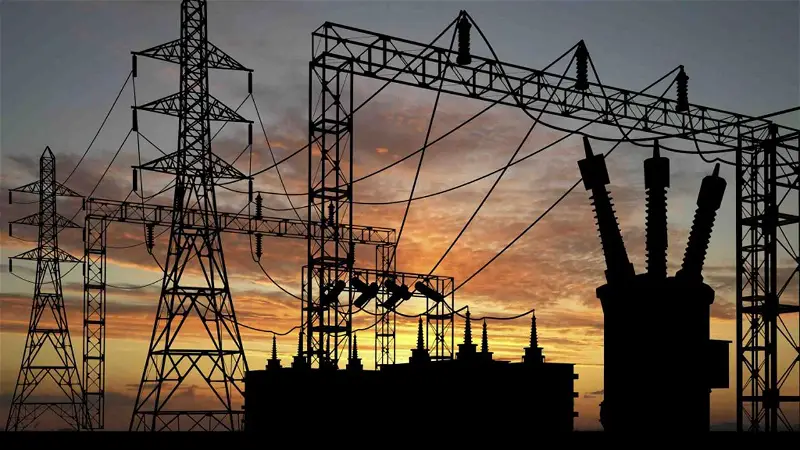
Electricity tariffs in Nigeria go far beyond the cost of keeping the lights on. They reflect deep-rooted inequalities in the power sector and raise critical questions about who bears the burden of a broken system and who enjoys its limited benefits. Understanding how electricity is priced and distributed reveals an uneven landscape of privilege and struggle.
Nigeria operates under a regulated tariff system, managed by the Nigerian Electricity Regulatory Commission (NERC). In theory, these tariffs are designed to reflect the true cost of electricity generation, transmission, and distribution. However, the reality is more complex and often unfair.
The power supply in Nigeria is highly inconsistent. As a result, electricity tariffs are not uniform. NERC introduced a service-based tariff model that groups customers into five bands A to E—based on the average number of hours of electricity they receive daily.
Customers in Band A, who receive more than 20 hours of electricity per day, pay the highest rates. These are typically located in urban and commercial areas. Those in Bands B to E receive fewer hours of electricity and are charged lower tariffs. In principle, this seems fair: more power, higher price.
However, in practice, many Nigerians report being placed in higher bands without actually receiving the promised supply. For instance, a household may be billed as Band A while only enjoying 10 hours of electricity daily. This discrepancy has fueled public anger, distrust in the system, and protests.
Another layer to the tariff structure is the government’s continued use of electricity subsidies. These subsidies are intended to keep power affordable for the average Nigerian. But who really benefits from them?
Ironically, subsidies often favor wealthier Nigerians and large businesses who consume more electricity and enjoy better supply. Poorer households, especially in rural areas, either use less electricity or rely heavily on expensive alternatives like generators. This means they receive minimal benefit from government subsidies.
At the same time, these subsidies place a heavy burden on public funds. Billions of naira that could be invested in upgrading power infrastructure or expanding rural access are instead used to subsidize an unequal system. This drains resources and delays genuine progress in the energy sector.
For the average Nigerian, electricity remains either too expensive or too unreliable. Even when official tariffs seem affordable, hidden costs from generator fuel and maintenance to battery inverters make electricity one of the largest household expenses. Many homes and small businesses spend more on self-generated power than on official bills.
Small business owners, in particular, feel the pinch. Hair salons, printing shops, and cold drink vendors often rely on generators due to erratic power supply. The cost of fuel and maintenance eats into their profits, affecting sustainability and job creation.
While ordinary citizens bear the brunt, electricity distribution companies (DisCos) often benefit from estimated billing and uneven enforcement. Many customers are still unmetered, leading to inflated bills that do not reflect actual consumption. The lack of transparency adds to public frustration.
In this equation, the real winners are those who enjoy steady supply and can either absorb or transfer energy costs such as major commercial establishments, government offices, and the elite. Meanwhile, millions are left to navigate blackouts, inflated bills, and noisy generators.
The current system raises important questions: Should electricity tariffs be linked to service quality? Should subsidies be better targeted to truly benefit the poor? And how can we ensure that all Nigerians regardless of income or location have access to affordable, reliable power?
To fix the system, Nigeria needs more than just tariff reviews. There must be transparency in band classification, rapid rollout of prepaid meters, investment in infrastructure, and a deliberate focus on equity. Everyone should get what they pay for, no more and no less.
Until these issues are addressed, electricity in Nigeria will remain a symbol of inequality. The conversation must shift from merely adjusting tariffs to building a power sector that works for all not just the privileged few.






















You must be logged in to post a comment Login