
Education
Teachers: The Quiet Builders of Our Future, by Tolulope Sobiye Ogunbowale
To every teacher who patiently explains a difficult lesson, encourages a struggling child and continues to show up despite challenges, your work matters. The future of a nation is shaped in classrooms long before it appears in offices, hospitals, courts and businesses.

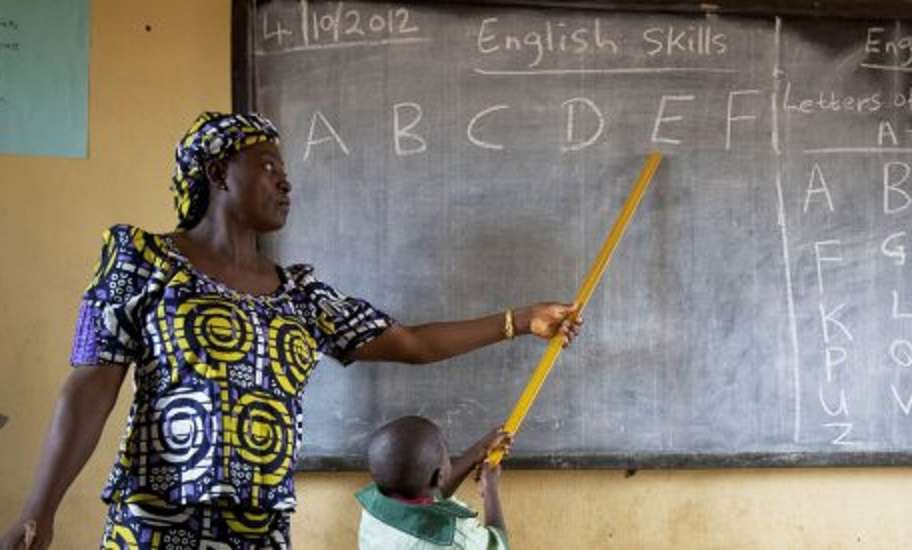
What would become of a society without teachers? Who would teach the child to read, write, think, question and dream? Behind almost every doctor, lawyer, engineer, journalist, business owner and leader is a teacher who once stood before a classroom and said, “You can do better.”
Every October 5, we celebrate World Teachers’ Day. Beyond the ceremonies, gifts and social media messages, however, the occasion should make us pause and reflect on the important work teachers do and how society treats them.
Teaching is not an easy job. A teacher does more than teach a subject. Sometimes, a teacher teaches courage, discipline, patience and hope. Some teachers arrive early, prepare lessons, stay after school to help struggling learners and even spend their personal money on teaching materials. Some notice when a child becomes unusually quiet and offer the encouragement that child needs.
Many of us can remember a teacher who made a difference in our lives. Perhaps it was the teacher who patiently taught us to read, encouraged our first piece of writing or refused to let us give up. Years may pass, but the impact of such teachers remains.
However, an honest celebration must also acknowledge that not every teacher is committed to the profession. Some come late, miss classes, fail to prepare adequately or treat learners unfairly. Some embarrass children for making mistakes, show favouritism or use harsh methods that damage confidence. Such behaviour should not be excused simply because someone is a teacher.
Teaching comes with responsibility. A teacher has considerable influence over young minds, and that influence must be used wisely. Teachers who fall short should be encouraged and trained to improve, while serious misconduct should be addressed appropriately. After all, children deserve teachers who are not only knowledgeable but also patient, fair and responsible.
But while we demand more from teachers, what are we giving them in return?
The Nigerian teacher is sometimes expected to perform wonders with very little support. Some work with overcrowded classrooms, inadequate materials and heavy workloads. Parents may quickly blame teachers when children perform poorly without considering what happens at home. Others speak about teachers disrespectfully because they consider teaching a lesser profession.
We cannot eat our cake and have it.
If we want excellent teachers, we must create conditions that encourage excellence. Government should provide better working environments, adequate learning resources, relevant training and fair remuneration. School authorities should support teachers while also ensuring that professional standards are maintained.
Parents also have a role to play. A teacher cannot raise a child alone. Parents should monitor their children’s education, encourage learning at home and communicate respectfully with teachers when problems arise. When disagreements occur, they should be settled through dialogue rather than insults or threats.
Teachers, on their part, must also examine themselves. A good teacher should be punctual, prepared, fair, approachable and willing to learn. The classroom should be a place where children can ask questions, make mistakes and grow without unnecessary humiliation. Teachers should also understand that a careless word can remain in a child’s heart long after the lesson is over, while a word of encouragement can give that child the courage to keep trying.
The wider public also has a responsibility. Teaching should be treated as a serious and valuable profession. We should stop measuring a teacher’s worth by material possessions or social status. At the same time, respect for teachers should go hand in hand with expectations of professionalism. Teachers deserve dignity, but they must also earn trust through good conduct and commitment to their duties.
Celebrating teachers should lead to practical action. Government must invest in education and professional development. Schools must recognise committed teachers and address misconduct. Parents must become partners in their children’s education. Teachers must continue to improve their skills and methods, while the public must support a culture that values learning and respects those who facilitate it.
Teachers’ Day, therefore, should be more than cakes, gifts and beautiful messages. It should remind us that quality education requires cooperation among teachers, parents, schools, government and the wider society.
To every teacher who patiently explains a difficult lesson, encourages a struggling child and continues to show up despite challenges, your work matters. The future of a nation is shaped in classrooms long before it appears in offices, hospitals, courts and businesses.
Happy Teachers’ Day to every teacher making a difference, one lesson and one child at a time.

























You must be logged in to post a comment Login