
Education
Moral Education: A Panacea for Indiscipline in Schools, by Tolulope Sobiye
Moral education, in all, is a vital way to reduce indiscipline and build responsible learners. Education should be meant to develop both the mind and character of the child. If schools, parents and society work together to teach and practise good values, our classrooms can become safer and more peaceful. After all, the true measure of education is not only what a child knows but also how the child uses that knowledge and treats others.

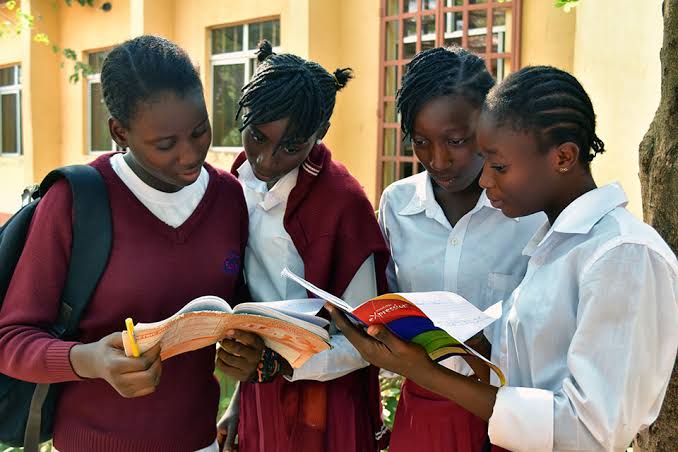
What makes a child truly educated? Is it the ability to speak good English, solve difficult mathematical problems, or obtain excellent examination results? While these achievements are important, good character is equally essential. A child who performs brilliantly in class but bullies others, tells lies, or disrespects teachers has not received a complete education. This is why moral education is necessary in our schools today.
Moral education entails teaching children the values and principles that guide them to distinguish between right and wrong. It promotes honesty, respect, patience, fairness, to mention but a few. These values help pupils and students develop self-discipline and learn how to live peacefully with others. Without them, maintaining order and creating a suitable learning environment can become difficult.
Indiscipline is a headache in many schools. Behaviours such as fighting, bullying, lateness, truancy, stealing, examination malpractice, and disobedience can disrupt teaching and learning. Some students insult their teachers, damage school property, or intimidate their classmates. Such actions affect not only the offenders but also other learners who deserve a peaceful environment in which to study. Consequentially, it affects the perpetrators academically, morally and otherwise.
Moral education can help address the problem by teaching children to take responsibility for their actions, although several factors may contribute to indiscipline. When students understand the importance of honesty, they are less likely to cheat during examinations. When they learn respect and tolerance, they become better equipped to settle disagreements without fighting. Moral education encourages children to do what is right, even when nobody is watching.
Consider a situation in which a student discovers money on the classroom floor. Instead of keeping it, the student takes it to the teacher, who helps locate the owner. This simple act demonstrates honesty and responsibility. Such behaviour does not develop overnight, it grows through consistent guidance, encouragement and positive examples from adults.
Teachers have a significant role to play in promoting moral values. They should teach students the importance of good behaviour and demonstrate those values in their daily interactions. They should be the lesson they teach. A teacher who treats learners fairly, keeps promises and admits mistakes teaches valuable lessons beyond the classroom. After all, children learn more from what adults do than from what they say.
Schools should also make moral education practical rather than treating it as a subject that exists only in textbooks. During assemblies and classroom discussions, teachers can use everyday situations to explain the consequences of dishonesty, bullying and disrespect. Students can participate in group activities that promote cooperation, empathy, and peaceful conflict resolution. Guidance counsellors should also support learners who experience emotional or behavioural difficulties.
Parents must not be left out of this responsibility. The home is a child’s first school, and parents are often the first teachers. Children who see their parents speak respectfully, tell the truth, and treat others fairly are more likely to adopt these behaviours. Parents should also cooperate with teachers in correcting misconduct instead of defending every action of their children. When the home and school work together, the job becomes easier.
Discipline should be firm, fair, and corrective. Punishment alone may stop a child from misbehaving temporarily, but it may not teach the child why the behaviour is wrong. Schools should help offenders understand the harm they have caused and encourage them to make amends. Humiliating or excessively punishing students can damage trust and create resentment rather than genuine self-discipline.
Nevertheless, moral education cannot eliminate every cause of indiscipline. Peer pressure, family difficulties, emotional challenges, and poor enforcement of school rules may also contribute to misconduct. Therefore, schools need clear policies, effective counselling services, parental involvement and supportive learning environments.
Moral education, in all, is a vital way to reduce indiscipline and build responsible learners. Education should be meant to develop both the mind and character of the child. If schools, parents and society work together to teach and practise good values, our classrooms can become safer and more peaceful. After all, the true measure of education is not only what a child knows but also how the child uses that knowledge and treats others.
























You must be logged in to post a comment Login