
Forgotten Dairies
Fuel Subsidy: Gone In Words, Back In Practice, by John Kokome
Nigerians are less concerned about whether relief is called a subsidy, discount or price-stabilisation measure than whether it makes life more affordable. They want lower transport costs, cheaper food, sustainable businesses and a government that communicates honestly about difficult economic choices.

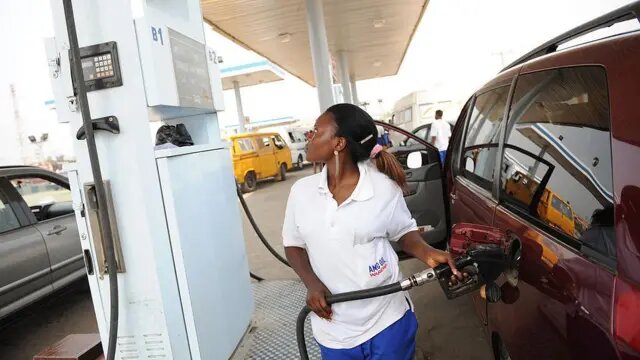
On May 29, 2023, President Bola Ahmed Tinubu announced in his inaugural address that “fuel subsidy is gone.” The declaration marked a turning point in Nigeria’s economic policy, immediately raising petrol prices and forcing a painful adjustment for millions of households and businesses. More than three years later, however, the subsidy debate has returned with renewed urgency.
On October 8, 2026, the Federal Government announced a 30-day petrol price relief arrangement under which the Nigerian National Petroleum Company Limited (NNPC) would forgo its retail profit margin and sell petrol at cost. The government insists this is not a restoration of subsidy. Yet, for Nigerians struggling with rising transportation costs, the distinction raises an important question: if government-backed intervention is once again cushioning petrol prices, has subsidy truly disappeared? The answer depends on what we mean by subsidy.
Traditionally, a petrol subsidy exists when the government pays part of the actual cost of supplying fuel so consumers can purchase it below the market price. Under the new arrangement, the government says NNPC Retail will absorb the cost of the relief by surrendering its profit margin rather than drawing on public funds to cover the difference. On that explanation, the intervention is a temporary commercial concession, not the return of the old subsidy regime.
Nevertheless, the distinction between a subsidy and a price-relief measure must not become an exercise in semantics. Nigerians deserve to know who is paying, how much is being absorbed, who benefits and what happens when the arrangement expires.
A familiar policy dilemma
Nigeria’s petrol subsidy system became synonymous with fiscal pressure, allegations of corruption, fuel smuggling and disputes over public expenditure. Successive administrations struggled to sustain the arrangement, while the benefits were often criticised for disproportionately favouring those who consumed more petrol.
Removing the subsidy was intended to reduce this burden and allow market forces to determine prices. But reform came at a substantial social cost. Higher petrol prices increased transportation and logistics expenses, contributed to inflationary pressures and squeezed the disposable incomes of workers, traders and small-business owners.
For a commercial driver in Lagos, a market trader in Onitsha or a small manufacturer in Kano, petrol is not merely a commodity. It is an input that influences the cost of getting to work, moving goods, powering equipment and keeping a business operational.
Consequently, when petrol prices rise sharply, the effects travel far beyond filling stations. Food becomes more expensive, transport fares increase and businesses pass additional costs to consumers. The hardship is real, regardless of the government’s preferred terminology.
The Federal Government has acknowledged these pressures but maintains that restoring the former subsidy would impose unsustainable costs on public finances. Finance Minister Taiwo Oyedele has warned that a full return could cost the country more than ₦20 trillion annually. That estimate underscores the scale of the fiscal trade-off, even as Nigerians continue to demand meaningful relief. Relief must reach ordinary Nigerians
The immediate challenge is ensuring that the NNPC arrangement delivers tangible benefits beyond a headline announcement.
First, the government should publish clear details of the programme, including its duration, financial implications, participating outlets and eligibility criteria. If public transport operators are to receive priority, the mechanism for identifying beneficiaries must be transparent.
Second, regulators and relevant authorities should monitor whether lower petrol costs translate into reduced transport fares and logistics charges. A discount that benefits motorists at the pump but leaves commuters paying unchanged fares will have limited impact on household welfare.
Third, the government must explain what happens after the 30 days. Nigerians cannot build household budgets or business plans around temporary relief without knowing whether it will end, be extended or replaced by a more sustainable intervention.
Finally, government should strengthen targeted assistance for vulnerable households, improve public transportation, expand cleaner and more affordable energy alternatives, and create conditions that reduce the economy’s dependence on petrol-powered generators and vehicles.
Beyond the argument over labels
The question of whether petrol subsidy is back in Nigeria cannot be settled by political declarations alone. The funding mechanism matters. If NNPC Retail is genuinely absorbing the discount from its commercial margin without compensation from public funds, the arrangement is different from the former government-funded subsidy. If public resources eventually cover the difference, Nigerians deserve a transparent account of that commitment.
The government must therefore demonstrate that its intervention is both financially accountable and socially effective.
Ultimately, Nigerians are less concerned about whether relief is called a subsidy, discount or price-stabilisation measure than whether it makes life more affordable. They want lower transport costs, cheaper food, sustainable businesses and a government that communicates honestly about difficult economic choices.
The removal of petrol subsidy was presented as a necessary sacrifice for a better economic future. That promise now demands evidence in the lives of ordinary citizens.
Perhaps the most important question is no longer whether subsidy is back, but whether the government can deliver relief without recreating the fiscal problems it sought to eliminate.
John Kokome
A Communications Strategist and Public Affairs Analyst writes from Lagos
kokomejohn@yahoo.com














You must be logged in to post a comment Login