
Forgotten Dairies
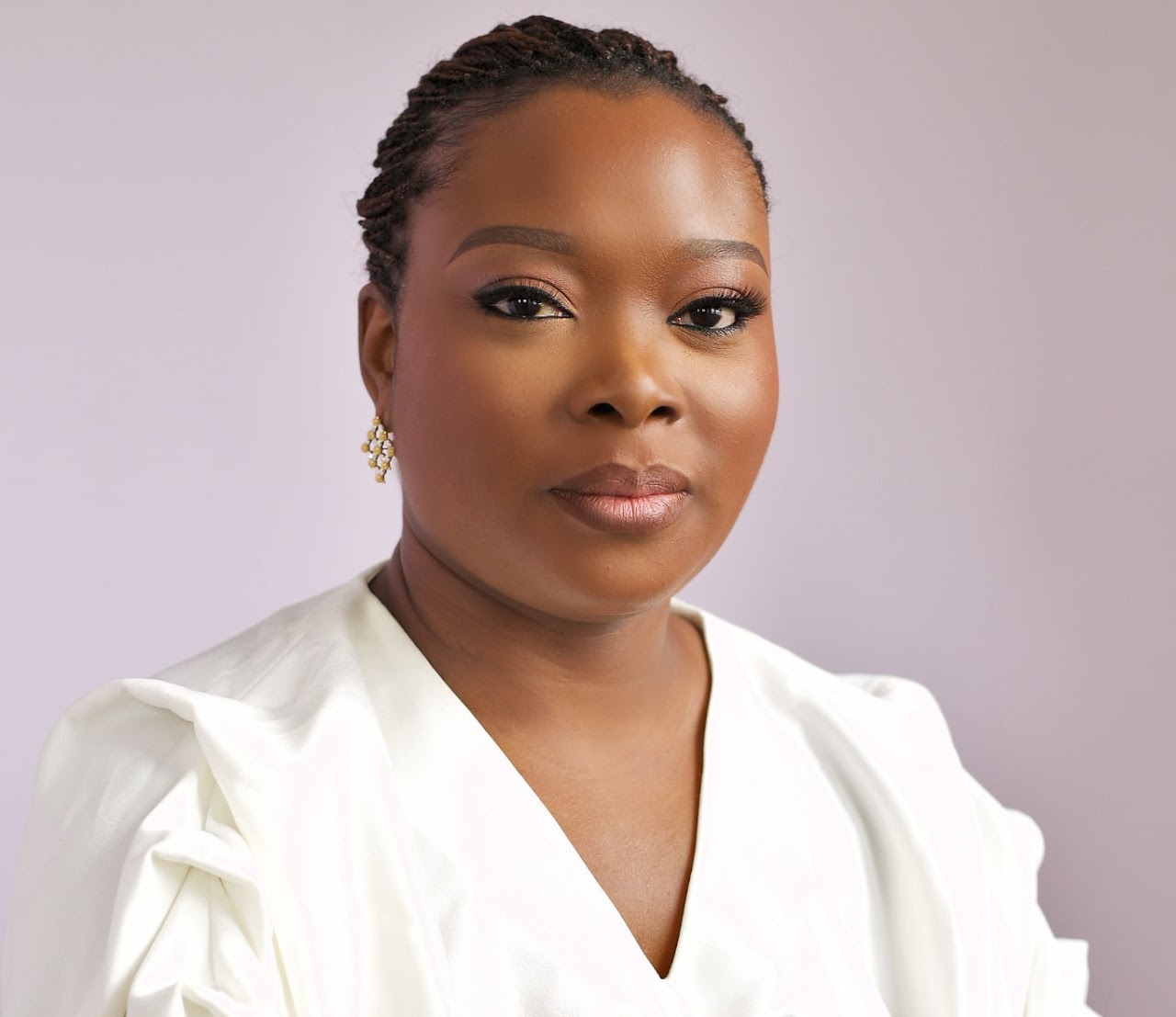
Can Women Truly Have It All? -By Molade Adeniyi
The writer Veronica Chambers draws a distinction I find particularly interesting. Successful Black women, she observes, descend from ancestors who “did it all, even when they didn’t have it all.” We come from women who carried farms, markets and households without ever being asked whether they felt balanced. Doing it all was survival. Having it all, the very luxury of asking whether we are fulfilled, is new age thinking. We must not import the anxious, isolated Western version and lose our own communal one in the trade.

Women are less likely than men to get paid time off, a trend that has persisted over almost 15 years, according to an NBC News review of US federal data published last month. While we have made great strides, I wonder can women truly have it all?
This is a debate that has gone on for decades, with many competing views. Some believe that yes, women can have it all; others insist it is absolutely impossible, that women were simply created to always draw the short straw.
Where do I stand? As a woman, a wife, a mother, the CEO of a mid-sized not-for-profit leading over 80 staff members and almost 1,000 teaching fellows, a leader in my church, and a student, I will share my honest opinion.
To answer this properly, we must first ask better questions. Not just “can women have it all?” but “what does it mean to have it all?” and “why must I have it all?” What is really driving the desire, the ambition, the anxiety around having it all?
My thoughts are that societal pressure and self-ambition are what manufacture this question in the first place and that the question, as we have inherited it, is broken.
Consider where it comes from. The modern anxiety traces largely to a single essay: Anne-Marie Slaughter’s 2012 Atlantic piece, “Why Women Still Can’t Have It All,” which drew nearly a million readers in a week. But look closely at her definition of “it all”. She defines it as a high-powered government job in Washington, two teenagers, and a husband in another city. That is one woman’s reality. When we let it become everyone’s, we quietly declare that any woman who does not reach the highest rung of a demanding career has somehow failed at womanhood.
The research tells a more liberating story. When women are actually asked to define “having it all” for themselves, the answer looks nothing like what we have all come to believe. In Citi and LinkedIn’s national survey of professional women, 96 percent said having it all was attainable. More striking was what they placed inside the definition: for 36 percent, marriage was not a factor at all; for 27 percent, neither were children. What topped the list instead was being in a loving relationship and having financial security. Women, given the pen, do not write the script we assume they will.
And here is the uncomfortable part. Believing hardest in the maximal version can wound us. A study presented to the American Sociological Association written by Katrina Leupp followed women from their twenties into their forties and found that those who most firmly believed women could seamlessly combine career and family were at greater risk of depression than those who expected it to be hard. A Canadian Study of accomplished women in midlife gave this ache a name – “having it all yet not feeling fulfilled,” a dissonance between what they had achieved and how they actually felt. The trophy, it turns out, can be hollow when someone else engraved it.
So why do so many of us keep chasing a definition we did not write? Societal pressure hands us the checklist. Self-ambition, which in itself is not necessarily a bad thing, too often borrows that same checklist instead of drafting its own.
This is where I believe we, as African women, hold wisdom the global conversation keeps missing. In the West, “having it all” is framed as a private balancing act: a woman alone, juggling until something drops. That is not our inheritance. As one Nigerian writer put it, having it all here is “not a personal choice but a function of custom, policy and structure” and our structure is community. We are raised by, and we raise within, a village. The aunt, the grandmother, the church, the extended family: these are not props that help a woman have it all. They are part of what “it all” means.
The writer Veronica Chambers draws a distinction I find particularly interesting. Successful Black women, she observes, descend from ancestors who “did it all, even when they didn’t have it all.” We come from women who carried farms, markets and households without ever being asked whether they felt balanced. Doing it all was survival. Having it all, the very luxury of asking whether we are fulfilled, is new age thinking. We must not import the anxious, isolated Western version and lose our own communal one in the trade.
Which brings me to my honest answer. Yes, a woman can have it all but only once she defines what that means for herself. For me, “it all” is not perfection in every area on the same day. It is presence over performance. It is a marriage I tend, children who know me, work that matters, a faith that steadies me, and the humility to let my community carry what I cannot. On the days I strain to be flawless at everything at once, I have nothing. On the days I choose what matters and release the rest to the people who love me, I have it all.
The question was never whether women can have it all. It is whether we are brave enough to decide what “all” should mean.
Molade Adeniyi is the CEO of Teach for Nigeria and a Public Voices Fellow Tackling Poverty, a partnership of Acumen and The OpEd Project.



























You must be logged in to post a comment Login