
Forgotten Dairies
Narco-Submarines: Governments Chase Hulls While Money Escapes, by Fransiscus Nanga Roka
The fourth point is to keep the separation of enforcement and spectacle. Maritime operations need to focus on lawful arrests, rescues and preserving evidence. Force must be both necessary and appropriate. Information about trafficking from intelligence sources is not an acceptable alternative to providing evidence of individual culpability for a crime.

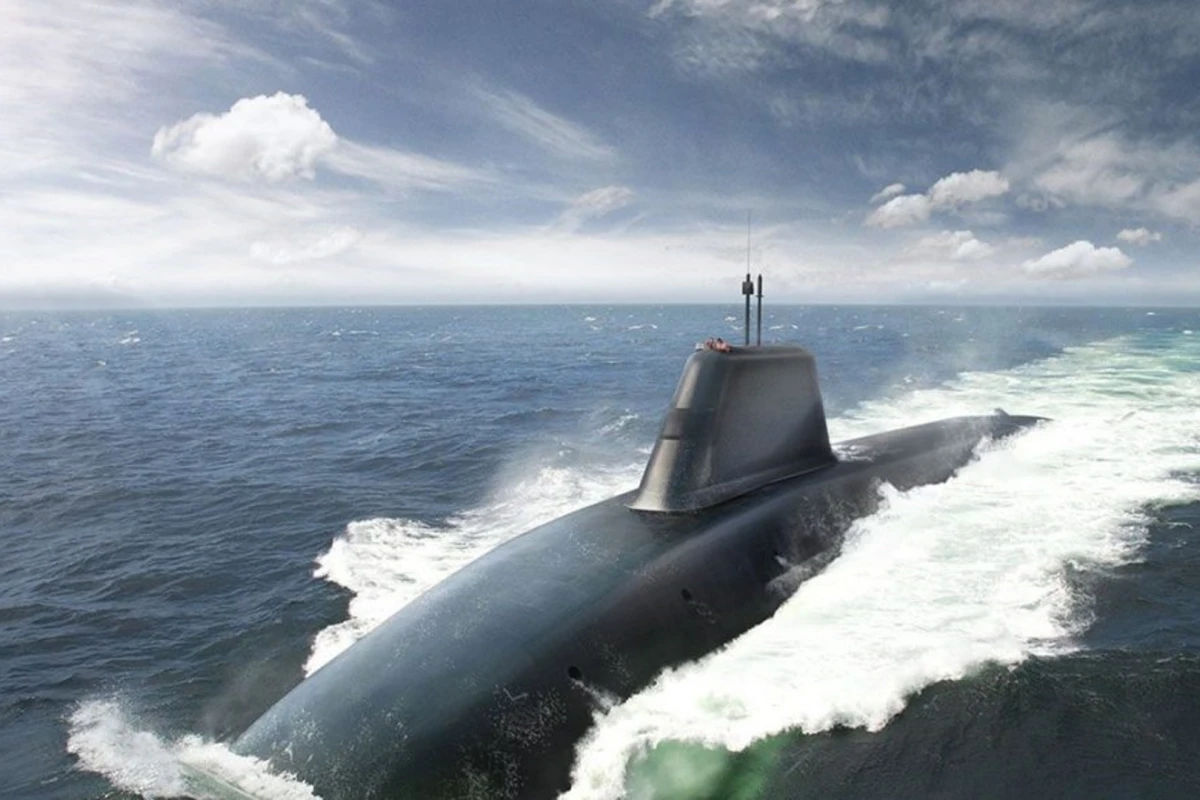
Semi submersibles used to smuggle cocaine are far more than just a means of transportation for illegal substances. They represent the failure of governments to disrupt the supply chain of these drugs by focusing on interdicting the product, but failing to stop the money flow that allows the product to be replaced.
The U.S. Coast Guard Cutter Forward made contact with a self-propelled semi-submersible in the Eastern Pacific Ocean on February 24, 2026. This encounter represents an ongoing struggle: international drug trafficking organizations transporting illegal substances over large areas of open water, while law enforcement agencies are limited in their ability to pursue these organizations due to jurisdictional boundaries and resource constraints.
In addition, there is a risk to Europe as well. On November 2019, Spanish officials were able to seize three metric tons of cocaine from a semi-submersible that was found off the coast of Galicia. This was the first such ship that has been discovered in Europe though this does not mean that there hasn’t been a successful passage before. There was collaboration among authorities of various nations which proved that cooperation between countries can lead to specific outcomes.
The use of these vessels is based on a single simple advantage: hiding in a huge search area. Low profiles make it difficult to locate; secret building allows for the creation of disposable transport; and sinking a boat may destroy its cargo, as well as complicate any subsequent investigation. Although they are often described as being able to disappear without a trace, it would be incorrect to view them as such. Spain used all types of resources (intelligence, air/sea, coastal) to find the boat. Despite the fact that the crew attempted to sink the boat, Spain was able to recover the drugs.
The real problem lies in the economics. When some drug shipments fail to reach their destination and others succeed, it enables traffickers to continue to make money. Although arresting the crew will disrupt the transportation process, it doesn’t always lead to the identification of the financier, organizer, corrupt facilitator, or person who has laundered the profits.
Let us look at the bigger picture. According to the United Nations Office on Drugs and Crime (UNODC) World Drug Report 2026, cocaine production had increased to above 4,000 metric tons in 2024. In less than 10 years, production increased by fourfold. The fact that production increased does not mean that interdiction has failed. Rather, it illustrates how misleading it can be to equate success in interdicting drugs with overall success in combating drug trafficking.
The amount of drugs seized by law enforcement agencies is an indicator of how successful they have been at preventing the illegal importation of controlled substances. The ability to disrupt the financial resources of a drug-trafficking organization is far more significant.
Governments need five changes.
First, initiate a parallel financial investigation for each maritime interception. Investigate the ownership, payment network, communication, and procurement connections of the vessel. Use legal proceedings to seize assets from illegal operations while protecting the rights of lawful owners and victims of crimes.
The second is to use the operational intelligence you have collected to help with the prosecution of the case. In order to avoid having a diplomatic disaster when a vessel is intercepted, all participating nations need to create formal agreements regarding who will prosecute, how the evidence will be transferred from one country to another, and how witnesses will be protected. To ensure that the successful boarding of a vessel results in a conviction, maintain and document digital records and custody of evidence.
Third, explore corruption as an aspect of infrastructure. Ships require a process of building, supplying, departing from a point of origin, and being received at their destination. Rather than assuming that criminal logistics occur outside of the legal economy, authorities need to determine if there are areas where public employees or legitimate business entities provide support for these types of processes.
The fourth point is to keep the separation of enforcement and spectacle. Maritime operations need to focus on lawful arrests, rescues and preserving evidence. Force must be both necessary and appropriate. Information about trafficking from intelligence sources is not an acceptable alternative to providing evidence of individual culpability for a crime.
Fifth, decrease the ability of the market to produce new items. Develop programs that fund prevention and treatment of addiction as well as viable employment opportunities for people living in economically disadvantaged areas, in addition to funding law enforcement efforts such as interdiction. Report on the impact of your actions on disrupting criminal networks, the amount of money/assets that have been legally seized from criminals, and the positive health effects your actions have had on communities—not just how much drugs you were able to confiscate or the exciting video footage of your busts.
The crew of the ship is confronted by the boarding team. Leaders in politics must also confront the way businesses operate.
Financiers and facilitators must be held accountable for their actions before governments can begin to treat the ocean as an area of operations that can produce some successes (tactical), but will ultimately fail to stop the growth of the cocaine industry.
Fransiscus Nanga Roka
Faculty of Law University 17 August 1945 Surabaya and Managing Partner Law Firm Victorious Indonesia





















You must be logged in to post a comment Login