
Education
Applause Cannot Pay The Bills: The Case For A Better Deal For Nigerian Teachers, by Yekini Lukmon
It will come when teachers receive competitive and living wages that reflect their qualifications and responsibilities; when they have access to quality healthcare; when their working environments are safe and conducive; when professional development is continuous; when their salaries and entitlements are paid promptly; and when society treats them as nation builders rather than ordinary workers.

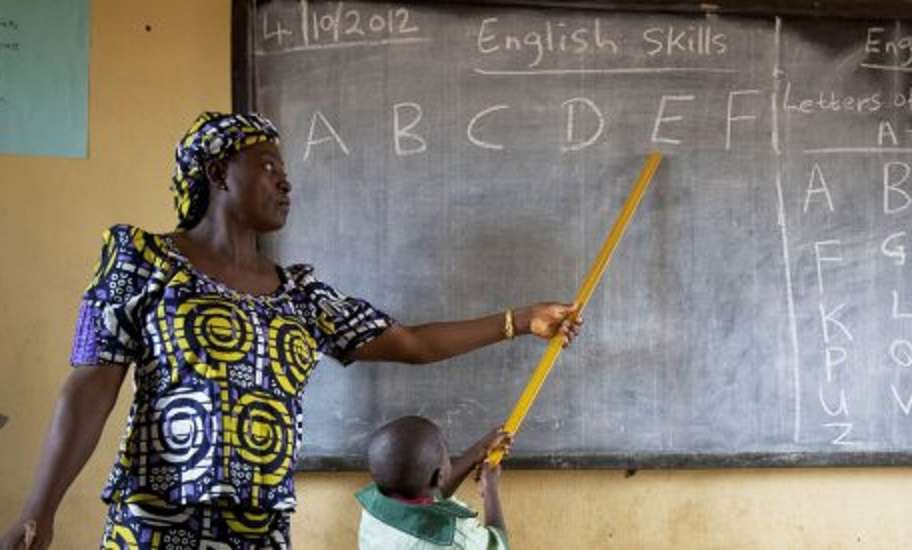
As the world marks World Teachers’ Day, Nigerians should look beyond the usual ceremonies, commendation messages, gifts and flattering speeches. The occasion should not merely be another annual celebration of teachers; it should serve as a powerful reminder of the urgent need to liberate the teaching profession from the structural challenges that continue to undermine its dignity, welfare and effectiveness.
Teachers deserve more than a day of praise. They deserve a system that respects their sacrifice, rewards their professionalism and provides them with the conditions necessary to perform their responsibilities effectively.
For too long, society has celebrated teachers with beautiful words while leaving many of the fundamental problems confronting the profession unresolved. Annual appreciation must not become a convenient way of diverting attention from the deeper reforms required to reposition education and restore the dignity of the teaching profession.
Teachers Are Nation Builders
Every professional – doctor, engineer, lawyer, accountant, administrator, politician and even the leaders who govern nations passes through the hands of a teacher.
This simple reality demonstrates the strategic importance of teachers to national development.
A teacher is not merely a worker who stands before a classroom or handles administrative duties. Teachers are educators, mentors, counsellors, guardians and moulders of character. They contribute significantly to the development of intellectual capacity, discipline, social responsibility and national values.
Therefore, any society that genuinely desires sustainable development must take the teaching profession seriously.
No nation can rise above the quality of its education, and no education system can rise above the quality, commitment and welfare of its teachers.
Teacher Welfare Is an Investment, Not an Expense
Nigeria’s future is inseparable from the quality of its education system. If education is expected to produce the skilled, innovative and responsible citizens required to drive economic growth, then the people responsible for delivering that education must receive adequate support.
Investment in teachers is not wasteful expenditure. It is an investment in the country’s future.
Government at all levels: federal, state and local, must therefore move beyond promises and develop sustainable welfare programmes that address the realities confronting teachers.
Annual appreciation ceremonies are commendable, but appreciation should not end with cards, gifts, speeches and photographs. Teachers need better welfare packages, competitive remuneration, healthcare support, improved working environments, professional development opportunities and other incentives that can make the profession more attractive and sustainable.
The Era of Poor Remuneration Must End
For decades, the Nigeria Union of Teachers (NUT) and other stakeholders in the education sector have advocated improved welfare and better working conditions for teachers. The struggles and sacrifices of organised labour have kept the issue of teacher welfare on the national agenda.
Yet, significant challenges remain.
Many educators, particularly those working in some private schools, continue to receive wages that are disproportionate to their qualifications, responsibilities and sacrifices. At a time when the cost of living continues to place enormous pressure on Nigerian families, poor remuneration makes it increasingly difficult for many teachers to meet their basic needs and support their families.
This situation requires urgent attention.
While efforts by the Federal Government to improve the welfare and working conditions of teachers should be acknowledged, state and local governments, as well as private-sector school owners, must equally demonstrate greater commitment.
Government must make its better efforts the best possible efforts.
A teacher who is constantly worried about basic survival may struggle to give the best possible attention to the development of pupils. Improving teachers’ welfare is therefore not only about rewarding workers; it is about protecting the quality of education itself.
Beyond Salaries: Improve the Working Environment
Teacher liberation must go beyond remuneration.
The working environment matters.
Poor infrastructure, inadequate teaching materials, overcrowded classrooms, delayed salaries, insufficient professional support and limited opportunities for career development can weaken the morale of teachers and affect the quality of learning.
Teachers cannot be expected to perform miracles in an environment that does not adequately support them.
Government and education stakeholders must therefore invest in schools, provide essential teaching and learning resources, improve school infrastructure and create opportunities for continuous professional development.
A modern education system requires modern teachers working in modern and supportive environments.
Society Must Change Its Perception of Teachers
There is also a need for society to change the way it perceives teachers.
Teaching should not be regarded as a profession for people who have failed to find something else to do. It is a noble profession that requires knowledge, patience, discipline, emotional intelligence, commitment and a deep sense of responsibility.
Teachers should be treated with respect and dignity.
Parents, communities, political leaders, school proprietors and other stakeholders must understand that the teacher standing before a classroom today is helping to shape the doctor, engineer, entrepreneur, administrator, scientist, leader and responsible citizen of tomorrow.
The value of that contribution cannot be measured merely by the monthly salary paid to the teacher.
Liberation Must Be Real
The true liberation of teachers will not come from one-day celebrations.
It will come when teachers receive competitive and living wages that reflect their qualifications and responsibilities; when they have access to quality healthcare; when their working environments are safe and conducive; when professional development is continuous; when their salaries and entitlements are paid promptly; and when society treats them as nation builders rather than ordinary workers.
Teachers should not have to choose between professional dedication and personal survival.
World Teachers’ Day should therefore be more than a celebration. It should be a moment for reflection, accountability and renewed commitment.
Let governments at all levels listen to the voices of teachers. Let education stakeholders move from appreciation to action. Let society restore the respect that the teaching profession deserves.
Nigeria cannot build a strong economy, a knowledgeable population or a prosperous future while neglecting the people entrusted with educating the next generation.
The message of World Teachers’ Day should therefore be clear:
Celebrate teachers, yes — but go beyond celebration. Reform the system. Improve
their welfare. Restore their dignity. Invest in their future.
Because when we liberate the teacher, we strengthen education; when we strengthen education, we strengthen Nigeria.






















You must be logged in to post a comment Login