
Breaking News
Ukraine: EU Seeks €45bn Loan as Russian War Deepens Kyiv’s Budget Crisis
European Commission President Ursula von der Leyen says a proposed €45bn loan would strengthen Ukraine’s position at the negotiation table.

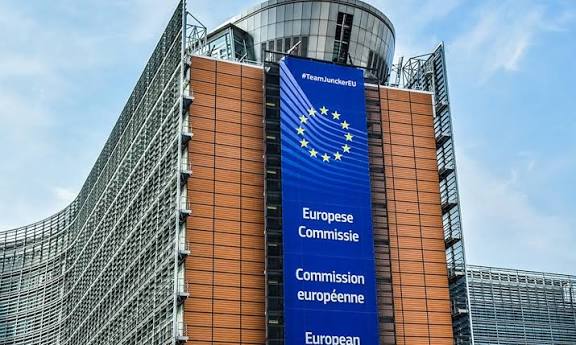
The European Union has unveiled a proposal for a fresh €45 billion ($49 billion) loan to Ukraine to help the country meet its financial obligations in 2027 amid the continuing war with Russia.
The proposed package is expected to address roughly two-thirds of Ukraine’s estimated €70 billion budget deficit next year, while the EU seeks additional financial commitments from other international partners to cover the outstanding amount.
European Commission President Ursula von der Leyen said the proposal demonstrated Europe’s continued determination to stand with Ukraine throughout the conflict and beyond.
“Five years since the start of this war of aggression, Europe stands united. We are as committed as ever to support Ukraine in war and in peace,” von der Leyen said.
Explaining the reasoning behind the financing arrangement, she stated: “We think this is the best way to give Ukraine a strong hand at the negotiation table, and Ukraine only needs to repay once Russia pays for the damage it has caused in Ukraine.”
The proposal is expected to feature prominently at next week’s EU summit in Brussels, where leaders will seek to secure a common position on the funding.
The EU is currently providing Kyiv with a €90 billion loan intended to support its finances through the end of next year. However, the escalation of Russian attacks has exposed the limitations of the existing financial package, prompting the need for additional assistance.
Under the latest proposal, the new loan would operate under a similar arrangement, with borrowing secured against available capacity in the EU’s central budget.
The funding would also come with conditions requiring Ukraine to continue implementing reforms.
Nevertheless, efforts to finalise the package are facing complications as discussions become linked to broader negotiations over the bloc’s next central budget.
Member states divided over funding
German Chancellor Friedrich Merz has argued that the EU must resolve its wider financing arrangements before reaching an agreement, insisting that all 27 member states must be involved in the budget process.
His position has generated concerns among countries reluctant to provide further financial support to Ukraine, including Bulgaria, the Czech Republic, Hungary and Slovakia.
In the previous funding arrangement, Hungary, Slovakia and the Czech Republic obtained exemptions from contributing towards the loan.
Despite the disagreements, von der Leyen said Brussels was still working towards securing the participation of all member states in the proposed financing.
The EU is also seeking contributions from Ukraine’s international partners outside the bloc, particularly Britain, Canada and Japan, to help bridge the remaining gap in Kyiv’s 2027 financing requirements.
Earlier appeals for additional support from these countries have not produced the desired results.
To encourage greater participation, Brussels has proposed that partner countries could issue guarantees to strengthen the loan arrangement or use interest earned from frozen Russian assets within the EU to finance their respective contributions.
The fresh loan proposal would, for now, also spare the bloc from pursuing the controversial option of directly accessing more than €200 billion in frozen Russian central bank assets held across EU countries.
An earlier attempt to use the assets to support Ukraine was blocked in 2025 following opposition from Belgium, which holds the largest share of the frozen funds. The Belgian government has maintained its position against the proposal.

























You must be logged in to post a comment Login