
Breaking News
Netanyahu Faces Loss of Majority as Israel Swears In New Parliament, Eisenkot Eyes Power
Benjamin Netanyahu faces the loss of his parliamentary majority as opposition leader Gadi Eisenkot seeks support to form Israel’s next government.

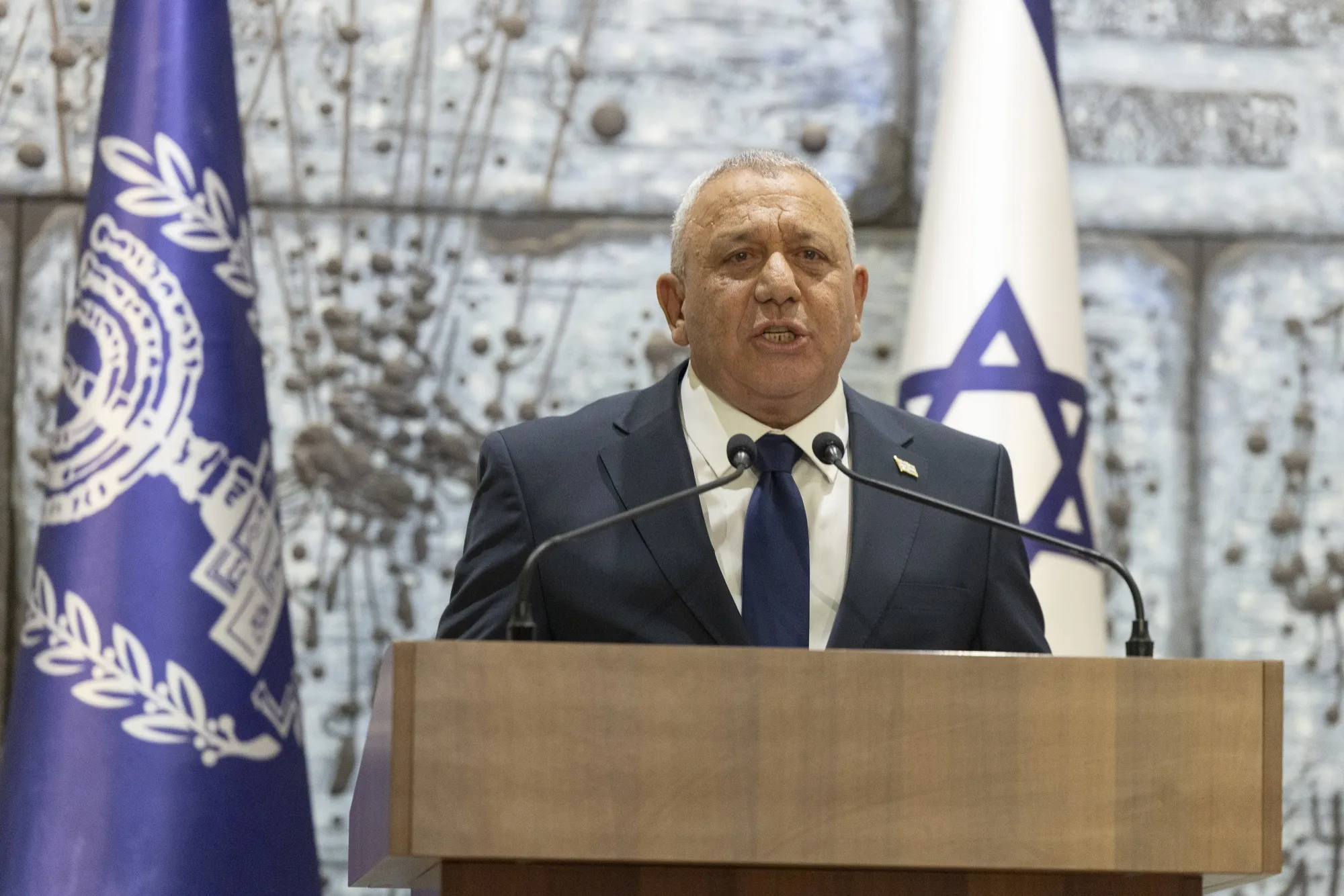
Israel is preparing to inaugurate its new parliament on Tuesday, as Prime Minister Benjamin Netanyahu faces an uncertain political future following the loss of his majority, while opposition leader Gadi Eisenkot intensifies efforts to form a new government.
President Isaac Herzog will deliver an address at 4:00 pm (1400 GMT) as the 120 lawmakers take their oaths of office. The latest parliamentary configuration leaves both Netanyahu’s right-wing political bloc and Eisenkot’s opposition without the numbers required to govern independently.
The opposition is hoping to capitalise on its increased legislative strength by pursuing several key issues, particularly the establishment of an investigative commission into the security lapses under Netanyahu’s government that preceded Hamas’s October 7, 2023 attack, the deadliest day in Israel’s history.
On Sunday, Herzog tasked Eisenkot with the responsibility of forming a new government. The opposition leader now has 28 days to negotiate a workable coalition, although the deadline could be extended by another 14 days.
As preparations for the parliamentary inauguration continued, Eisenkot’s Yashar party announced its preferred candidates for two important legislative positions.
The party disclosed that Matan Kahana, a former senior military figure who shares a military background with Eisenkot, would be nominated as the next speaker of parliament.
Avigdor Lieberman, a prominent right-wing opposition politician who has emerged as an influential figure in the negotiations over the next government, will be put forward to lead the Foreign Affairs and Defence Committee.
For the opposition to secure the speakership, its nominee must attract more parliamentary votes than the candidate supported by Netanyahu’s political camp. Netanyahu’s allies have reportedly been working to postpone the vote.
Meanwhile, Eisenkot faces the challenge of securing at least 61 parliamentary votes to get his proposed administration approved.
One possible route to achieving the required majority is through cooperation with Arab-Israeli lawmakers, who secured an unprecedented number of seats following widespread dissatisfaction within their community over Netanyahu’s hard-right administration.
However, Lieberman has made his position clear, insisting that Eisenkot should not depend on Arab-Israeli politicians to form a government.
Instead, he has advocated an arrangement with ultra-Orthodox Jewish parties, despite years of strongly criticising the community over its determination to preserve exemptions from compulsory military service.
Eisenkot’s principal opposition alliance currently holds 48 seats. Its numbers could rise to a majority if the 19 Arab-Israeli lawmakers support the proposed government, either by joining the administration or voting in its favour without becoming part of it.
Another possibility is that the two ultra-Orthodox parties, which control 13 seats combined, could abandon their longstanding alliance with Netanyahu and throw their support behind Eisenkot.
Netanyahu had backed their exemption from military service, although the arrangement was never fully formalised in law.
Nevertheless, any political arrangement with either the Arab-Israeli lawmakers or ultra-Orthodox parties could face serious challenges.
Arab-Israeli politicians, in particular, could withdraw their support if Eisenkot orders another major military offensive in Gaza.
While Eisenkot has generally supported Netanyahu’s decisions on the war, he has promised to confront extremist Israeli settlers in the occupied West Bank who have repeatedly attacked Palestinians and taken their property with little fear of punishment.
Africans Angle News

















You must be logged in to post a comment Login