
Breaking News
Britain Rejects Slavery Compensation, But Signals Possible Formal Apology Next Year
Britain has rejected calls for slavery reparations despite King Charles’ expression of remorse, with Ed Miliband suggesting a formal apology could come next year.

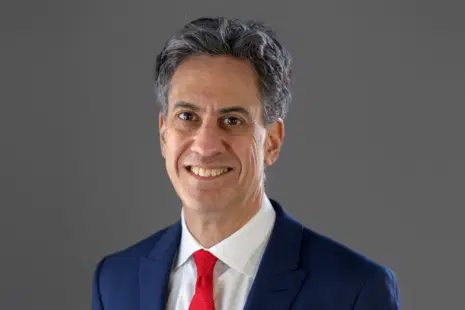
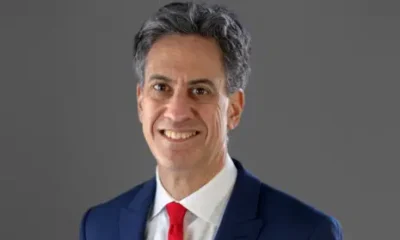
The United Kingdom has ruled out paying reparations for its historical role in slavery, with Foreign Secretary Ed Miliband insisting that financial compensation is “not feasible” despite renewed calls for accountability.
Miliband made the position clear during a BBC interview broadcast on Wednesday, following King Charles III’s expression of remorse over the legacy of slavery during a Commonwealth gathering in Antigua and Barbuda.
“It’s not the right answer. It’s not practical. It’s not feasible for us, but there are things we can work on co-operatively,” the Foreign Secretary said.
He also reaffirmed that the British government would not “shift our position on reparations”.
Despite ruling out compensation, Miliband indicated that the UK could consider issuing a formal apology for its involvement in the slave trade next year, when it hosts the G20 leaders’ summit.
Responding to a question about whether an apology could be delivered ahead of the summit in Manchester next November, he said: “Broadly speaking, yes”.
Miliband, however, emphasised that any apology would not lead to financial reparations.
The issue has featured prominently at the Commonwealth Heads of Government Meeting in Antigua and Barbuda, where Prime Minister Andy Burnham proposed a “debt reset” arrangement to ease the financial burden on the poorest member countries through possible adjustments to interest rates on their repayments.
Burnham clarified his position on Tuesday, telling reporters: “I’ve been very clear that we do not support reparations … but it’s not the case that we don’t support countries in the Commonwealth around development helping them with debt issues that they’ve got”.
The UK’s central role in the history of slavery has continued to complicate its relations with former colonies. Burnham admitted that addressing the issue would require “difficult conversations” to preserve the Commonwealth’s future.
During the 2024 Commonwealth summit in Samoa, member nations endorsed discussions on reparatory justice, despite efforts by Britain, under then Prime Minister Keir Starmer, to steer clear of the subject.
Burnham’s approach has since faced backlash domestically, with opposition Conservative leader Kemi Badenoch and right-wing newspapers criticising his position.
King Charles, meanwhile, made a stronger statement than previous members of the royal family by expressing his “horror” over slavery, although he did not issue a formal apology. He also drew attention to Britain’s eventual role in ending the practice.
At the opening of the summit, which forms part of his nine-day Caribbean tour, the monarch described slavery as a “monstrous injustice” that “still casts a shadow over these islands and other members” of the 56-nation Commonwealth, comprising mostly former British colonies.
The King and Queen Camilla are expected to end their Caribbean visit and depart Antigua and Barbuda on Wednesday.
Africans Angle News

















You must be logged in to post a comment Login