
Forgotten Dairies
Protecting Children From S3xual Violence -By Tomy Michael
S3xual violence must not be treated as a joke, nor should victims be blamed—such as by citing their clothing or implying they deserved the abuse. In this context, Universitas 17 Agustus 1945 Surabaya has undertaken a collaborative effort to address these issues. This analysis is based on activities conducted by Achmad Basofi, Erny Herlin Setyorini, Ahmad Sholikhin Ruslie, Gea Adinda Rahmadani, and Arsyah Geuvarra.

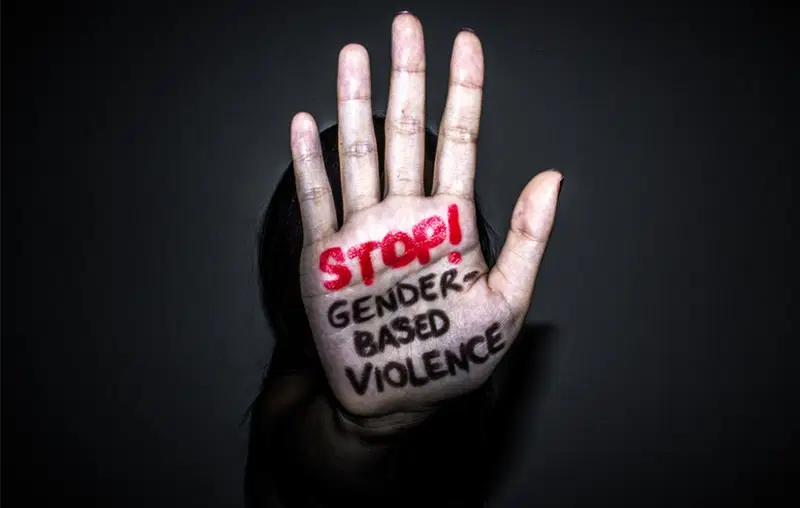
An initiative to prevent sexual violence was recently held at State Junior High School 1 (SMPN 1) Kudu, Jombang. This activity was part of a collaborative effort to foster a normative understanding of self-protection against sexual violence. The students—aged eleven to fourteen—represent a generation that must be continuously educated on the importance of safeguarding themselves. While at school, a child’s well-being is the responsibility of their teachers and peers. School life encompasses more than just academics; it introduces students to organizational dynamics, social interaction, and various concepts that broaden their understanding—all tailored, of course, to their developmental stage. Sexual violence in schools can manifest in various forms. It may arise from student-to-student intimacy or stem from curiosity as an expression of natural impulses. Such violence can occur when the victim is afraid; perpetrators often exploit power dynamics and personal closeness. Power imbalances can create fears regarding personal safety in the event of a refusal, placing a heavy burden on the victim. Meanwhile, personal closeness can lead to situations previously unimagined, such as cases of sexual harassment or rape committed by a biological father against his own child.
Naturally, the roles of various parties are crucial. Schools should prioritize a curriculum that addresses sexuality. Children must be encouraged to openly name body parts—such as the penis, vagina, or breasts—without the stigma or secrecy often associated with referring to genitals. Furthermore, there must be appropriate follow-up, such as investigating any reports made by students. Additionally, security measures should be enhanced through the installation of CCTV and the enforcement of strict rules and sanctions. Perpetrators should face no leniency, while victims should receive support from psychological professionals. Prioritizing such support is essential, as victims can face pressure from various sources, including their own educational institutions; schools, for instance, may be inclined to cover up incidents to protect their reputations. Such attitudes necessitate clear accountability, given that anyone can become a victim, and perpetrators often emerge from environments that fail to understand the underlying issues. A community service initiative at State Junior High School 1 (SMPN 1) Kudu, Jombang, successfully fostered student understanding; interactive discussions and games sparked interest in and awareness of self-protection against sexual violence.
Sexual violence must not be treated as a joke, nor should victims be blamed—such as by citing their clothing or implying they deserved the abuse. In this context, Universitas 17 Agustus 1945 Surabaya has undertaken a collaborative effort to address these issues. This analysis is based on activities conducted by Achmad Basofi, Erny Herlin Setyorini, Ahmad Sholikhin Ruslie, Gea Adinda Rahmadani, and Arsyah Geuvarra.
Tomy Michael, lecturer at Faculty of Law Universitas 17 Agustus 1945 Surabaya























You must be logged in to post a comment Login