
Forgotten Dairies
Beyond Survival: Building A Healthier Nigeria For A Longer Life -By Yussuf Mubaraq Damilare
Building that country will require sustained investment, evidence-based policies and a commitment to equity. Longer life expectancy is not merely a statistical achievement. It is a reflection of whether a nation protects its people, values their wellbeing and gives every generation a fair chance at a healthier future.

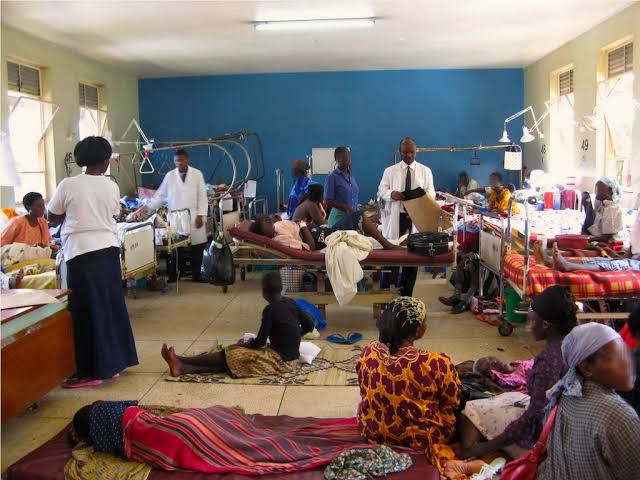
Nigeria cannot achieve its full potential while preventable illnesses, unaffordable treatment and unequal access to healthcare continue to cut lives short.
What does it mean to live a long life if access to basic medical care remains a struggle? What good is medical advancement if millions of people cannot afford the treatment they need? These questions should be at the heart of Nigeria’s conversation about healthcare, life expectancy and national development.
For many Nigerians, the challenge is not simply living longer; it is having a fair opportunity to live a healthy life. From families struggling to pay hospital bills to communities where essential medical services remain difficult to access, the quality and availability of healthcare continue to shape people’s chances of survival.
According to World Bank data, Nigeria’s life expectancy at birth was approximately 54.6 years in 2024. This figure represents a population-level estimate, not a prediction of how long any individual will live, but it highlights the importance of improving the conditions that enable people to survive and thrive. The World Health Organization also estimated Nigeria’s healthy life expectancy at birth at 54.1 years in 2023, reflecting the need to consider not only longevity but also the years people spend in good health.
When Healthcare Becomes a Matter of Survival
A healthcare system should not be judged solely by the number of hospitals it operates or the medical equipment it possesses. Its real value lies in whether people can obtain timely, affordable and effective treatment when they need it.
In Nigeria, the cost of healthcare can discourage people from seeking medical attention early. Some postpone consultations until their symptoms become severe, while others rely on self-medication or incomplete treatment because professional care is financially out of reach. In such circumstances, conditions that might have been managed successfully can progress into serious complications.
The consequences extend beyond the individual patient. Illness can deprive families of income, interrupt children’s education, increase caregiving responsibilities and push vulnerable households deeper into poverty. When preventable disease and premature death become widespread, the effects are felt throughout society.
Improving life expectancy must therefore begin with a simple principle: healthcare should be accessible before a medical problem becomes a crisis.
Preventive Healthcare: The Missing Priority
One of the most effective ways to improve population health is to prevent disease or identify it early. Yet preventive healthcare often receives less attention than the treatment of established illness.
High blood pressure, diabetes and other chronic conditions may remain undetected for years. Without regular screening and appropriate management, they can contribute to heart disease, stroke, kidney damage and premature death. Infectious diseases, maternal complications and childhood illnesses also require sustained attention through immunisation, early diagnosis and accessible treatment.
Nigeria must place greater emphasis on routine health checks, community health education, maternal and child health services, and affordable access to essential medicines. Primary healthcare centres should be equipped not merely to receive patients but to prevent illness, detect health risks and provide continuous care.
Prevention is not a substitute for hospitals or specialist treatment. Rather, it complements them by reducing avoidable suffering and helping people receive the right care at the right time.
Beyond Hospitals: Addressing the Wider Causes of Poor Health
Life expectancy is influenced by much more than what happens inside a hospital. Access to clean water, adequate sanitation, nutritious food, safe housing, education and a healthy environment also shapes the risk of disease and premature death.
A child living in an environment with unsafe drinking water faces different health risks from a child with reliable sanitation. Likewise, an adult who cannot afford nutritious food or essential medication may struggle to manage a chronic condition, even when medical advice is available.
This means that improving life expectancy requires cooperation across sectors. Health authorities must work alongside institutions responsible for education, water and sanitation, housing, food security and environmental protection.
Public awareness is equally important. People need reliable information about healthy diets, physical activity, tobacco avoidance, responsible alcohol use and the importance of seeking professional care. However, health education must be accompanied by practical opportunities to make healthier choices.
It is unreasonable to expect individuals to maintain healthy lifestyles when nutritious food is unaffordable, safe recreational spaces are unavailable or medical services are beyond their means.
Investing in Healthcare Is Investing in Nigeria’s Future
Government action remains essential to building a healthier nation. Adequate and transparent health financing, stronger primary healthcare, improved working conditions for healthcare professionals and expanded health insurance coverage should be central priorities.
Health insurance can help protect households from the financial shock of illness, but coverage must translate into actual access to quality services. Patients need functioning facilities, qualified personnel, essential medicines and respectful treatment.
Nigeria must also address the retention of skilled healthcare workers. Doctors, nurses, laboratory scientists, pharmacists and other professionals are vital to the delivery of effective healthcare. Supporting their training, welfare and career development is important for strengthening services across the country.
Technology offers additional opportunities. Telemedicine, digital health records and community-based screening can improve access to information and services, particularly in underserved areas. Such innovations, however, must be supported by reliable infrastructure and must not replace essential in-person care where it is needed.
Ultimately, healthcare expenditure should be viewed as an investment in human capital. Healthy people are better able to learn, work, care for their families and contribute to national productivity.
Measuring Progress Beyond the Number of Years
A rise in life expectancy would represent progress, but it should not be the only measure of success. A society must also consider whether people can live those additional years with dignity, independence and reasonable freedom from preventable illness.
Healthy life expectancy provides an important complementary measure because it considers the years people can expect to live in full health. The distinction matters: extending life without addressing disability, untreated chronic disease or poor access to long-term care leaves part of the public-health challenge unresolved.
Nigeria should therefore measure progress through a broader set of outcomes, including preventable deaths, maternal and child survival, control of chronic diseases, access to essential services and the financial burden of medical treatment.
These indicators can help policymakers determine whether investments are reaching the people who need them most.
A National Commitment to Longer, Healthier Lives
The responsibility for improving life expectancy is shared, but it is not equal. Government must provide leadership, finance essential services and ensure accountability. Healthcare institutions must deliver safe and effective care. Communities and individuals must be supported to make informed decisions about their health.
The media also has a role to play by promoting accurate health information, challenging harmful misconceptions and keeping public attention focused on preventable illness and healthcare inequality.
Nigeria’s future should not be defined by how many people struggle to survive conditions that could have been prevented, detected early or treated effectively. It should be defined by the strength of its healthcare system and the opportunities it creates for people to live healthy and productive lives.
Beyond survival lies a more ambitious goal: a country where a person’s chance of living longer is not determined by their income, postcode or ability to pay hospital bills.
Building that country will require sustained investment, evidence-based policies and a commitment to equity. Longer life expectancy is not merely a statistical achievement. It is a reflection of whether a nation protects its people, values their wellbeing and gives every generation a fair chance at a healthier future.























You must be logged in to post a comment Login