
Forgotten Dairies
Forty Years After Dele Giwa: The Silenced Voice And The Unbroken Pen -By Isaac Asabor
Giwa’s voice was silenced by a bomb, but journalism today can just as easily be silenced by fear, greed, and indifference. The former was an act of terror; the latter are betrayals from within. As the newsroom moves into the palm of our hands, the fundamental test of the craft remains unchanged: will we tell the truth when doing so becomes uncomfortable?

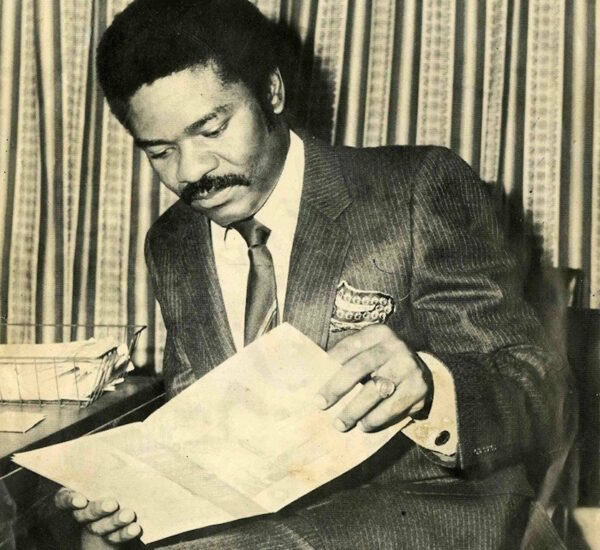
On Sunday, October 19, 1986, death arrived at Dele Giwa’s doorstep disguised as a parcel. A bomb exploded, killing the 39-year-old journalist and stripping Nigerian journalism of one of its most fearless voices.
Today, October 19, 2026, marks exactly forty years since that tragic morning. Four decades have passed. Children born that year are now middle-aged adults; military dictatorships have yielded to elected civilian governments; and printed broadsheets have largely surrendered their dominance to the glowing screens of smartphones.
Yet, one wound remains stubbornly open: Dele Giwa’s murder has never received the judicial closure it demands. In a cruel twist of fate, the investigative giant who made a career of uncovering hidden truths left behind a story his country has refused to resolve. The man who asked uncomfortable questions for a living became the subject of a mystery that has outlived him by four decades.
Giwa’s death was not merely a private family tragedy. It was a violent assault on press freedom and a grave warning to a nation’s collective conscience. Through Newswatch, which he co-founded in 1984 alongside Ray Ekpu, Yakubu Mohammed, and Dan Agbese, Giwa pioneered a vibrant tradition of assertive, investigative magazine journalism during an era when scrutinizing military authority was a perilous endeavor. He understood that journalism’s primary duty is not to flatter the powerful, but to inform the public.
Today, however, the reporter’s pen faces a formidable rival: the smartphone. In Giwa’s era, investigative reporting demanded meticulous labor, cultivating sources, sifting through documents, conducting interviews, and adhering to strict editorial standards. Today, anyone can record an event, write a sensational caption, and broadcast it to millions before a trained reporter finishes fact-checking the headline.
While the democratization of publishing offers immense civic power, allowing citizens to document abuses and amplify neglected stories, it has also blurred the line between content creation and professional journalism. The smartphone has democratized publication, but it has not democratized integrity.
A viral post is not inherently factual. A trending video is not inherently credible. True journalism rests on verification, balance, context, and accountability. As the old adage goes, a lie putting on dancing shoes does not make it the truth simply because it gathers a crowd.
This digital shift makes Giwa’s legacy more vital than ever. The tools of communication have transformed, but the core responsibility remains unchanged: truth demands evidence. In an era where misinformation travels faster than corrections ever can, professional discipline is non-negotiable.
Equally dangerous is the internal corrosion of the craft. Journalism is threatened not only by technology or physical danger, but by the temptation to swap independence for access, integrity for patronage, and public scrutiny for applause. When proximity to power becomes more prized than editorial independence, the public pays the price. Journalism must neither be an automatic enemy of government nor its paid cheerleader; it must follow evidence wherever it leads.
Remembering Dele Giwa requires more than publishing annual tributes or expressing ritual outrage over his assassination. Real honor lies in practicing the principles for which he paid the ultimate price:
Media owners and editors must fiercely safeguard editorial independence and stand firmly behind reporters who undertake high-stakes investigations, even when their findings threaten powerful interests. Authorities, on their part, must ensure the safety of media workers and prosecute those who attack, intimidate or harm journalists. Journalists themselves must continually examine their conscience and ask whether they are truly serving the public interest or merely chasing clicks, courting popularity and flattering political patrons. The public also has a responsibility to distinguish rigorous investigative reporting from sensationalist gossip by supporting credible journalism rather than rewarding viral falsehoods. Ultimately, the survival of journalism as a pillar of democracy depends not only on the courage of those who practice it but also on the willingness of institutions and citizens to defend truth, accountability and the public’s right to know.
In fact, forty years without Dele Giwa represents four decades of unwritten investigations and unasked questions. We cannot alter the past, but we can uphold the standard he set.
Giwa’s voice was silenced by a bomb, but journalism today can just as easily be silenced by fear, greed, and indifference. The former was an act of terror; the latter are betrayals from within. As the newsroom moves into the palm of our hands, the fundamental test of the craft remains unchanged: will we tell the truth when doing so becomes uncomfortable?
That is the difference between merely possessing a device that publishes and carrying forward a legacy that truly matters.





















You must be logged in to post a comment Login