
Africa
CBN’s Withdrawal Limits for Nigerians: What About Stealing Limits for Politicians? -By Vitus Ozoke, PhD
Nigeria has chosen discipline – but only for the poor. The trader withdrawing her own money is treated like a financial criminal. But the politician withdrawing public funds is treated like royalty. If cash withdrawal must be punished, then theft must be priced. If citizens must plan their poverty carefully, then leaders must plan their greed expensively. Until then, let us be honest with ourselves: This policy is not about digital wallet cashlessness. It is about classlessness – except for the ruling class. And as always in Nigeria, the money is there. It’s just not for the average Nigerian.

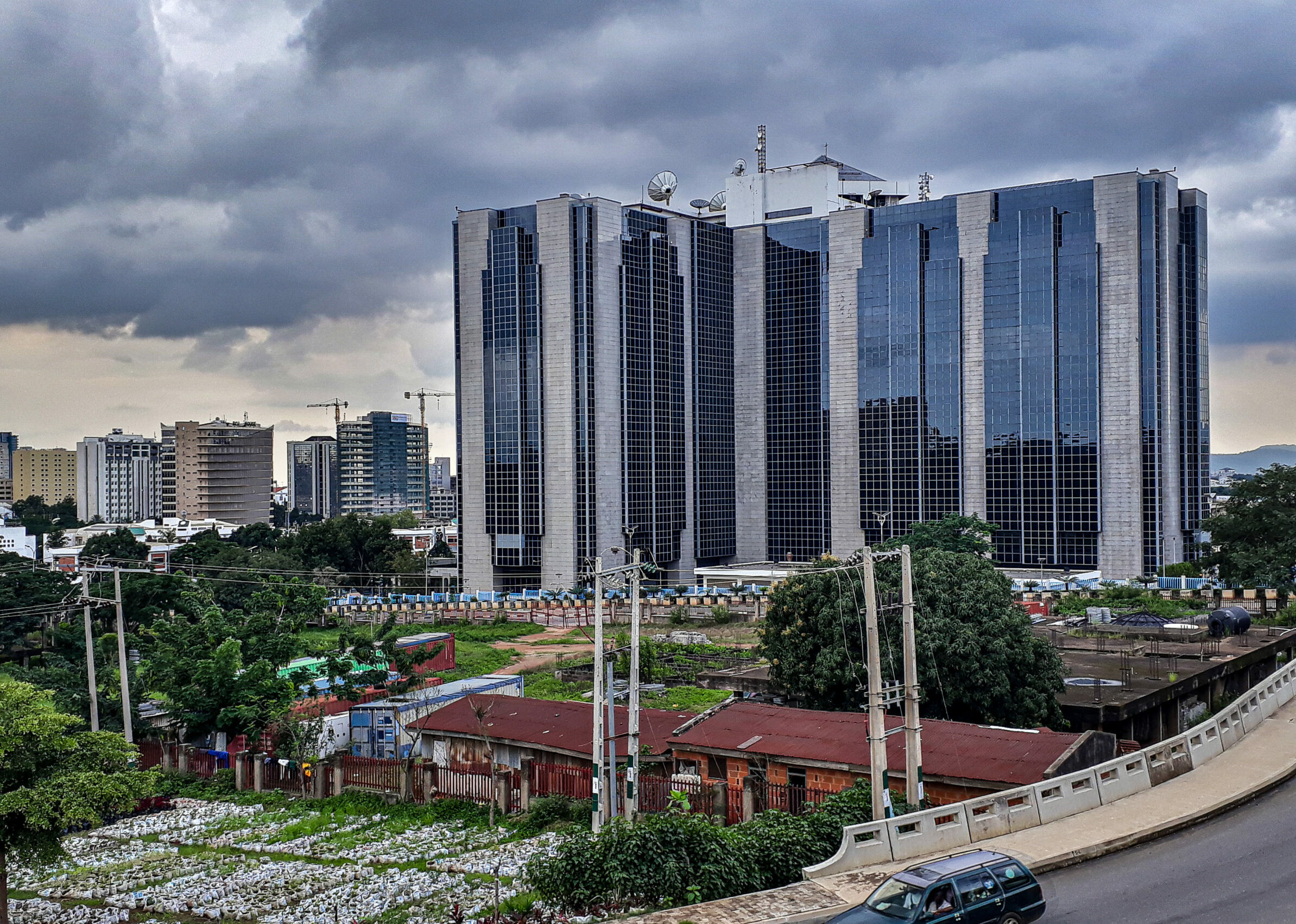
Nigeria has spoken. Loudly. Clearly. And directly to the pockets of ordinary citizens. According to the apex bank, Nigerians may now withdraw only ₦500,000 a week. Anything more, and the system will politely punish them with a 3% fee. Because obviously, the teacher, trader, mechanic, nurse, and small business owner are the real threats to Nigeria’s economy. Having too much cash on hand is dangerous. Meanwhile, somewhere in Abuja, a lawmaker yawns, stretches, and “withdraws” ₦21 million in wardrobe allowance before breakfast. No charges. No limits. No percentages. No shame.
Now, let us help the system with a minor, reasonable, patriotic adjustment. In line with the CBN’s ongoing commitment to financial discipline, equitable burden-sharing, and national behavioral adjustment, and further to its recent cash-withdrawal policy measures applicable to the general public, the Bank is hereby advised to issue a circular introducing a Politician Stealing Limits (PSL).
Since Nigerians now have withdrawal limits, it’s only fair that politicians also have stealing limits. Fair is fair. Pain is pain. Policy is policy. Here is my proposed rule: All elected and appointed public office holders shall be permitted to steal (“criminally withdraw”) public funds up to ₦500,000 per week. Any stealing in excess of ₦500,000 per week shall attract an Excess Stealing Charge (ESC) of 3%, applied only to the excess amount. Simple. Elegant. CBN-compliant.
What Counts as Stealing? For clarity, and to avoid confusion, stealing shall include, but not be limited to, the following:
1. Salaries and allowances that insult logic by being grossly disproportionate to national economic realities;
2. Allowances that offend mathematics;
3. Hardship, sitting, wardrobe, or similar allowances collected in air-conditioned chambers and under other conditions of material comfort;
4. “Recess allowances” for resting from resting;
5. “Constituency projects” that lack verifiable physical existence – existing only on paper and campaign posters;
6. Overnight salary increases approved by people approving their own salaries; and
7. Any form of remuneration, benefit, or entitlement exceeding the Nigerian minimum wage.
For avoidance of doubt, any income above the prevailing Nigerian minimum wage shall be deemed excess and classified as theft. If Nigerians can survive on minimum wage, politicians can too. Or at least they can be taxed for refusing to do so. The national minimum wage shall constitute the non-stealing threshold. All amounts received above this threshold shall be aggregated every week. Applicable Excess Stealing Charge (ESC) shall be taxed on the excess amount only. Payment of ESC shall be made publicly, accompanied by verifiable documentation and appropriate public disclosure.
Below is a sample calculation, because Nigerians understand math very well:
§ Minimum wage: ₦70,000 (if it even arrives);
§ Lawmaker’s monthly earnings (official and unofficial): Let’s be modest – ₦30 million;
§ Allowed (non-stealing portion): ₦70,000;
§ Excess (stealing portion): ₦29,930,000;
§ 3% theft penalty: ₦897,900.
This should be paid publicly, not quietly. With receipts. And shame.
Then comes a special 5% rate for political businesses. Given that politics in Nigeria is clearly a corporate enterprise, senior public officials, including but not limited to the man occupying Aso Rock, governors, ministers, senior members of the National Assembly, and top political appointees operating at federal or state levels, including the CBN governor himself, should attract a 5% excess theft charge, just like corporate accounts. After all, they operate budgets, manage “projects.”, and generate personal profits. Why should average Joe businesses suffer while political businesses roam free?
There are additional “anti-avoidance” guidelines, inspired by CBN wisdom. Splitting loot across accounts does not help. The distribution of stolen funds across multiple bank accounts, third parties, relatives, associates, or proxies shall not exempt any individual from applicable charges. So, moving money to wives, cousins, drivers, mistresses, side chicks, and girlfriends still counts. Digital stealing is still stealing. Stealing effected through digital assets, offshore accounts, foreign property acquisition, or other non-cash instruments shall remain subject to this policy. So, offshore accounts, crypto wallets, and foreign properties still count toward your weekly theft limit. The CBN reserves the right to apply tracking mechanisms across financial, digital, and beneficial-ownership structures. You may continue stealing. It just becomes more expensive.
What does this mean for politicians’ daily lives? They may have to budget like Nigerians. Tragic, but character-building. They may rely more on modest living: fewer convoys, fewer mansions, and fewer scandals. They may discover empathy. This one is experimental. Planning becomes important – no more impulsive looting. Think ahead. Public service may finally feel like service. I apologize in advance for the discomfort.
With something this new and complex, there will be frequently asked questions: Is this trying to ban stealing? No, Nigeria respects tradition. This is simply regulating stealing, not banning it. Can politicians still steal more than ₦500,000 a week? Yes. They just have to pay 3 to 5% for the privilege, as everyone else pays for withdrawing their own money. What if they refuse to pay? Then we introduce overdraft penalties called prison.
Here are some final thoughts. Nigeria has chosen discipline – but only for the poor. The trader withdrawing her own money is treated like a financial criminal. But the politician withdrawing public funds is treated like royalty. If cash withdrawal must be punished, then theft must be priced. If citizens must plan their poverty carefully, then leaders must plan their greed expensively. Until then, let us be honest with ourselves: This policy is not about digital wallet cashlessness. It is about classlessness – except for the ruling class. And as always in Nigeria, the money is there. It’s just not for the average Nigerian.
Non-compliance with this new guideline shall attract additional penalties, including death by public hanging, to be determined by the relevant authorities. While theft of public funds has become entrenched in Nigeria’s political DNA, it cannot be entirely prohibited; however, future instances will carry financial consequences. That’s a good baby-step start. So, cash remains legal tender, and public funds remain accessible. But regulatory discipline shall now apply uniformly, at least in principle.
Dr. Vitus Ozoke is a lawyer, human rights activist, and public affairs analyst based in the United States. He writes on politics, governance, and the moral costs of leadership failure in Africa.



















You must be logged in to post a comment Login