Opinion
A Psychologist On Tinubu vs. Atiku: Beyond The American Courtroom – Impact On Africa’s Leadership Habits And Nigeria’s Youth’s Future Mindset -By John Egbeazien Oshodi
At its core, this case thrusts into the spotlight the ethical dilemma of selective information disclosure. The blurred line between personal privacy and the public’s right to know poses a profound psychological question: What drives individuals to selectively conceal information, and what psychological consequences arise from attempting to control one’s narrative in the public eye?

Tinubu vs. Atiku: A Dispute In American Courts – Regardless Of The Final Outcome, The EndIs Not The Issue, But Its Impact On Africa’s Leadership Aspirations, And Nigeria’s Youth Mindset
In the intricate realm of global politics, the threads of nations’ stories are often woven with secrecy, power struggles, and the enigma of leadership. From the perspective of a psychologist, and a Nigerian living in America, the ongoing legal saga involving President Bola Tinubu and former Vice President Atiku Abubakar transcends the boundaries of a mere legal dispute. Instead, it unravels as a profoundly painful narrative that beckons a closer psychological examination—one that peers beyond the courtroom’s facade to reveal the intricate web of human behavior, ethics, and the harrowing impact of leadership dynamics on individuals and society.
In the grand scheme of this unfolding narrative, regardless of the final legal decision, one thing remains starkly clear: this dispute is not conducive to the well-being of the African humanity, to the aspirations of Africa, or to the hopes of Nigeria’s youths and children. The pain of shattered trust, the disillusionment that seeps into the hearts of the next generation, and the erosion of faith in leadership are wounds that linger long after the legal battles cease.
At its core, this case poses an intricate puzzle—one filled with behaviors that defy belief. To the discerning eye of psychology, it invites an exploration into the enigmatic motivations that propel individuals in positions of power to undertake actions seemingly beyond the boundaries of rationality. What hidden psychological factors drive these actions, and how do these leaders reconcile them with the moral and ethical expectations placed upon their shoulders?
Leaders, regardless of their origins, serve as beacons of inspiration for the societies they represent. However, when these very figures become embroiled in legal disputes and seek to shroud aspects of their personal histories in secrecy, they transform from aspirational role models into elusive shadows. This transformation carries profound psychological implications, compelling individuals, particularly the young and impressionable, to grapple with a dissonance between their idealized perception of leadership and the stark realities they witness.
Scrutinizing the layers of this narrative reveals a disconcerting revelation—leaders, perched at the pinnacle of power, may conceal dark and concealed pasts. From the perspective of psychology, this disclosure prompts a profound exploration into the psychological underpinnings of maintaining such secrecy and the toll it takes on the human psyche. It challenges our understanding of the human capacity for duplicity and the psychological burden of living with hidden truths.
Beyond Nigeria’s borders, this case reverberates globally, shaping the nation’s image on the international stage. As psychologists, we must consider the profound psychological impact of this tarnished image on the collective identity of Nigerians and the international perceptions of the nation. It underscores the intricate relationship between identity, image, and the psychological well-being of a society.
The case further unearths the theme of disillusionment, particularly among the youth. For those in the formative stages of their lives, leaders are often perceived as beacons of inspiration and guidance. The revelation of questionable behaviors challenges their psychological development, forcing them to reevaluate their beliefs and aspirations. This psychological turmoil can have long-lasting effects on their worldviews and attitudes toward authority.
At its core, this case thrusts into the spotlight the ethical dilemma of selective information disclosure. The blurred line between personal privacy and the public’s right to know poses a profound psychological question: What drives individuals to selectively conceal information, and what psychological consequences arise from attempting to control one’s narrative in the public eye?
Psychologically, the anticipation of the judge’s decision becomes a focal point. The prediction that the judge may release most, if not all, of the requested information underscores the psychological tension between individual rights and the greater public interest. It reflects the human element in legal proceedings, where individual actions and decisions carry profound implications for broader society.
Ultimately, this case resounds as a call for change, echoing throughout the African continent. It signifies a collective yearning for transformation, for a departure from entrenched systems that breed secrecy, disputes, and a lack of transparency. Psychologically, it signals a desire for a new era of leadership characterized by accountability, integrity, and a commitment to the psychological well-being of the societies they serve.
In the crucible of this case, where legal arguments intersect with the complexities of the human psyche, we find a rich needlepoint of psychological dynamics awaiting examination. It is a poignant reminder that the pursuit of justice is not just a matter of legal procedure; it is an exploration of the depths of human behavior, ethics, and the psychological underpinnings that shape our world.
Human beings have an innate fascination with power and leadership. From a psychological perspective, this case serves as a striking example of our perpetual curiosity about those who ascend to positions of authority. We are drawn to the narratives of leaders, perhaps because they embody our aspirations or because their actions have direct or indirect consequences on our lives.
Leadership is not just a position; it’s an emotional connection between leaders and their followers. From a psychological standpoint, leaders evoke powerful emotions within individuals—trust, hope, admiration, or disillusionment. The emotional rollercoaster experienced by the public in light of this case raises intriguing questions about the psychological bond between leaders and their constituents.
Leadership, especially in the age of information, comes with the burden of public scrutiny. The psychological toll of being constantly under the watchful eye of the public, media, and political adversaries is immense. It can lead to heightened stress, anxiety, and even paranoia. Understanding these psychological pressures sheds light on why leaders might resort to legal battles to protect their privacy.
The heart of this legal dispute lies in the clash between individual rights and societal interests. This tension is a cornerstone of legal and ethical debates. From a psychological standpoint, it delves into the intricate balance between personal autonomy and the greater good. It invites us to explore how individuals weigh their own privacy against the public’s right to transparency.
In a democratic society, transparency and accountability are vital. When leaders are called to account for their actions, it has a profound psychological impact on both the leaders themselves and the public. It can trigger feelings of vindication, betrayal, or a renewed sense of trust. Analyzing these psychological reactions provides valuable insights into the dynamics of leadership in a democracy.
Psychologically, trust is the glue that holds societies together. When trust in leaders is eroded, as is often the case in situations like this, there arises a compelling question: Can trust be rebuilt? Exploring the psychological processes of trust repair becomes crucial in the aftermath of such revelations.
While this case paints a somber picture of leadership, it also underscores the potential for psychological growth and change. Leaders, like all individuals, can evolve and learn from their past actions. Examining the psychological pathways to personal growth and transformation offers a glimmer of hope for the future of leadership.
For students and aspiring leaders, this case serves as a psychological case study in leadership development. It prompts reflection on the qualities and ethics that should define a leader. What psychological traits are desirable in those who hold positions of power? How can leadership education be enhanced to instill a strong moral and ethical compass in future leaders?
In this psychological exploration of the complex tapestry woven by the Tinubu-Atiku case, we venture beyond the mere legal intricacies and dive into the depths of human behavior, ethics, and leadership dynamics. It is a journey into the hearts and minds of leaders and the societies they serve. As we peel back each layer, we uncover not only the pain of shattered trust but also the potential for healing, growth, and transformation—both for individuals and for the African continent as a whole. It is a story that underscores the profound interplay between psychology and the intricate world of politics and leadership, beckoning us to seek a deeper understanding of the human condition in all its complexity.
The title, “Tinubu vs. Atiku: A Dispute In American Courts – Regardless Of The Final Outcome, The End Is Not The Issue, But Its Impact On Africa’s Leadership Aspirations, And Nigeria’s Youth Mindset” conveys a powerful message that transcends the legal proceedings, underscoring that the true significance of this dispute extends far beyond the confines of the courtroom verdict. It serves as a stark reminder that the ripple effects of such disputes resonate beyond borders, influencing the collective yearning for ethical leadership across the African continent. Furthermore, it leaves an indelible mark on the aspirations and mindset of Nigeria’s youth, inspiring a deep and contemplative examination of the values and principles that should guide our nations as we navigate the complex tapestry of leadership, governance, and the future that lies ahead.
As we delve into the psychological intricacies of this case, it is incumbent upon us to recognize the collective responsibility to nurture leadership that reflects the values of transparency, integrity, and ethical conduct. It is an invitation to embark on a journey of healing and transformation, to channel our collective energies toward building a future where leaders serve as beacons of hope, where the trust of the people is cherished and upheld, and where the dreams of Nigeria’s youths and children can flourish unburdened by the shadows of distrust.
In this reflection, we are reminded that the pursuit of justice is not solely the domain of courts and lawyers; it is a shared endeavor that encompasses the very essence of our humanity. It calls for a commitment to fostering leadership that nurtures the aspirations of the next generation and safeguards the well-being of our societies. It beckons us to collectively craft a narrative that uplifts, inspires, and empowers, leaving behind the painful echoes of shattered trust and embracing a future where the dreams of Africa and Nigeria’s youths and children can truly thrive.
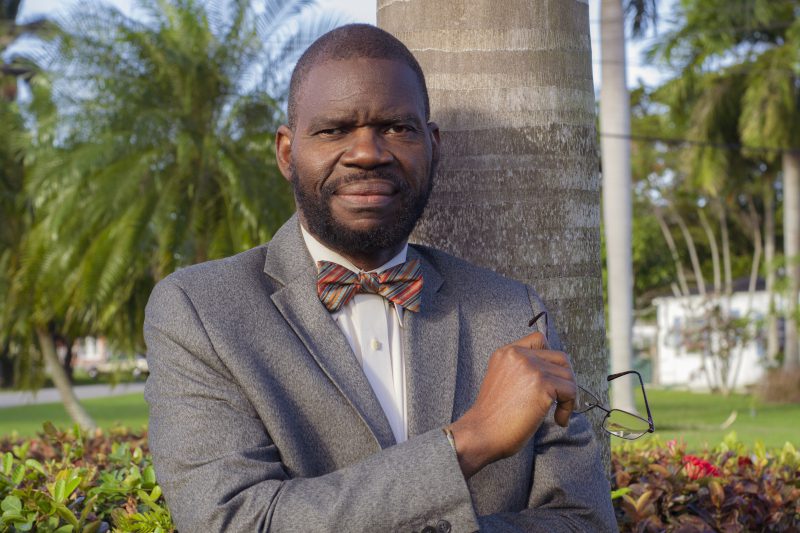
Professor John Egbeazien Oshodi, who was born in Uromi, Edo State, Nigeria, to a father who served in the Nigeria police for 37 years, is an American-based police and prison scientist and forensic, clinical, and legal psychologist. A government consultant on matters of forensic-clinical psychological services in the USA; and a former interim associate dean and assistant professor at Broward College, Florida. The Founder of the Dr. John Egbeazien Oshodi Foundation, Center for Psychological Health and Behavioral Change in African Settings. A former Secretary-General of the Nigeria Psychological Association. In 2011, he introduced state-of-the-art forensic psychology into Nigeria through N.U.C. and Nasarawa State University, where he served in the Department of Psychology as an Associate Professor. He has taught at various universities and colleges including Florida memorial University, Florida International University, Broward college, Lynn University, and a contributing faculty member at the Weldios university in Benin Republic, Nexus International University, Uganda, Nova Southeastern University and Walden University in USA.