Economy
A Response to The Report by New York Times on the State of Nigeria’s Economy, by Kenechukwu Aguolu
Amongst other things, the report failed to acknowledge the current government’s significant achievement in clearing the $7 billion forex backlog owed to foreign companies, a move that has boosted investor confidence. Critics argue that foreign companies are leaving Nigeria due to poor economic decisions, making the country unattractive for investment.

The New York Times report “Nigeria Confronts Its Worst Economic Crisis in a Generation” published on June 11, 2024, portrays a bleak outlook on Nigeria’s economic state. However, the report lacks objectivity and may inadvertently misinform readers. It is essential to present a more balanced viewpoint that takes into account the wider context, including global economic trends and challenges shared by other nations. Moreover, it is imperative to highlight the proactive measures undertaken by the current government to address these issues and the inherited economic challenges it faces. By offering a comprehensive perspective, we can better understand the complexities of Nigeria’s situation and the efforts made towards sustainable growth and stability.
The report fails to mention that inflation is a global issue affecting many countries, not just Nigeria. By not acknowledging this, the report gives the impression that Nigeria’s inflation is an isolated problem, which is misleading.
Additionally, when comparing the size of economies, it is essential to remember that they are typically valued in dollars. Therefore, individual country exchange rate policies may affect such comparisons. A country’s economic size appears smaller when its currency is devalued. For instance, a country that defends its currency might seem to be doing better economically than a country that floats its currency, although the latter may be making more sustainable long-term economic decisions.
Labour Union strikes did not start under this regime; even the previous administration experienced various strikes by numerous unions, with the ASUU strike being one of the longest. The current government should be commended for its proactive approach to addressing the demands of labour unions. However, the government and labour unions must find more effective ways to resolve disputes to prevent the economic losses caused by strikes.
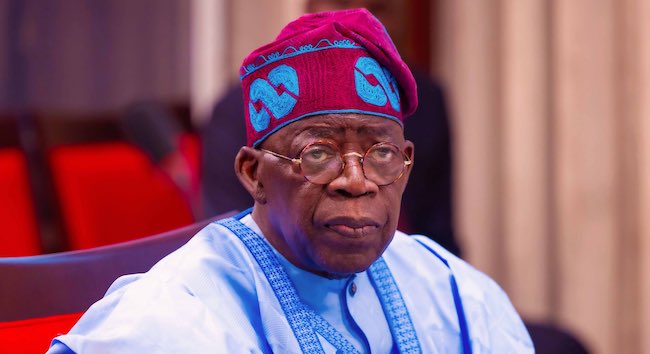
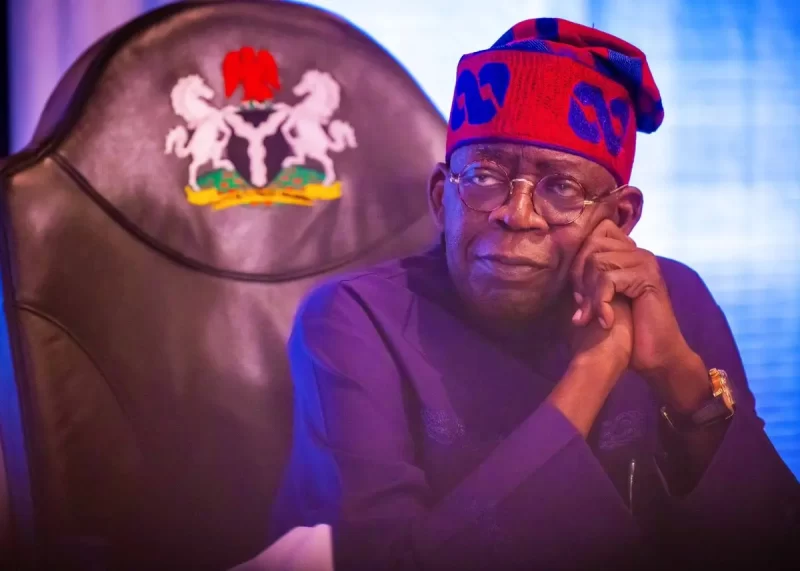
When President Tinubu’s administration took office a year ago, it inherited an economy in a comatose state. The amount used for debt servicing was already over 90% of Nigeria’s revenue, making most expenditures reliant on borrowing. This situation was unsustainable, necessitating significant economic reforms. The New York Times report overlooks that the current administration is dealing with long-standing economic issues rather than creating new ones. It is also important to recognize that high infrastructure deficits and security challenges are inherited issues that the government is actively addressing.
Faced with an untenable economic situation, the Tinubu administration took bold decisions to remove fuel subsidies and float the naira. These measures were necessary to reduce the financial burden on the country and free up funds for critical investments in infrastructure and other sectors. While these reforms caused short-term economic shocks and hardship, they are essential for Nigeria’s long-term economic health. Many Nigerians question where the money saved from these reforms has gone. It is important to note that savings can be actual revenue saved or money that would have been borrowed but wasn’t. The removal of fuel subsidies and the floating of the naira has reduced the need for borrowing and allowed the government to redirect funds to more productive uses.
The New York Times report does not highlight the government’s efforts to mitigate the hardships caused by economic reforms. To alleviate the situation, the Federal Government started paying ₦35,000 cash awards to federal civil servants, with various state governments following suit by paying varying amounts to their workers. Additionally, the government is about concluding a new, improved national minimum wage, with a bill about to be sent to the national assembly. Furthermore, the government has initiated conditional cash transfers and distributed thousands of metric tonnes of assorted grains to support vulnerable households. It has also introduced a student loan scheme to enhance access to tertiary education. The Dangote refinery is scheduled to commence production of premium motor spirit by the end of July. This holds promise for alleviating the impact of fuel subsidy removal by potentially lowering the prices of PMS
Amongst other things, the report failed to acknowledge the current government’s significant achievement in clearing the $7 billion forex backlog owed to foreign companies, a move that has boosted investor confidence. Critics argue that foreign companies are leaving Nigeria due to poor economic decisions, making the country unattractive for investment. However, this is not always the case. Companies may shut down operations for various reasons, including changes in business models or the inability to cope with competition from substitute products or services. For example, GlaxoSmithKline ceased operations in Kenya and Nigeria, opting for a third-party distribution model for its pharmaceutical products.
While Nigeria is facing economic challenges, it’s important to provide a balanced perspective that takes into account the global context, historical issues, and the current government’s efforts. The administration led by President Tinubu has taken necessary but painful steps to address long-standing economic problems.
These reforms, though causing short-term hardship, are essential for Nigeria’s long-term economic stability and growth. However, the government must remain committed to these reforms and ensure transparent communication with its citizens. Problems of several years cannot be solved overnight, but a committed and balanced approach can pave the way for sustainable growth and development.
Kenechukwu Aguolu FCA, PMP, CBAP
Business Analyst | Project Manager | Chartered Accountant | Public Affairs Analyst
Abuja, Nigeria kenerek1@gmail.com