Opinion
Another Independence Day Marked By Pomp, Pageantry, And Empty Rhetoric, by Isaac Asabor

Nigeria has just celebrated another Independence Day, and as has become the norm, the occasion was filled with the usual pomp and pageantry. Once again, political leaders delivered speeches, adorned with promises of a brighter future and optimism for a prosperous Nigeria. However, beyond the colorful parades and the celebratory mood, the reality of the nation’s challenges remains stark, and the rhetoric from leaders continues to fall short of practical action.
Each year, Independence Day serves as an opportunity for the nation to reflect on its journey since gaining freedom from British colonial rule in 1960. It is a moment for leaders to connect with citizens, celebrating the resilience and progress of the country. But for many Nigerians, the day has become predictable, characterized by a cycle of speeches that lack substance and actions that do little to address the persistent issues plaguing the nation.
This year was no different. The speeches were laden with familiar themes: the promise of economic recovery, the fight against corruption, the assurance of improved security, and the promotion of unity in diversity. Yet, these speeches have become almost ritualistic, offering little in the way of new ideas or concrete steps to tackle Nigeria’s challenges.
Year after year, Nigerian leaders mark Independence Day with elaborate ceremonies, flowing speeches, and celebrations. However, behind the pomp and pageantry, one cannot help but notice a glaring disconnection between the promises made on these days and the actual governance outcomes that follow. Independence Day should be a time for sober reflection, an opportunity for leaders to acknowledge the nation’s struggles and pledge genuine efforts toward transformation. Unfortunately, this has rarely been the case, as yesterday’s 64th anniversary celebration once again showcased speeches full of rhetoric and little substance.
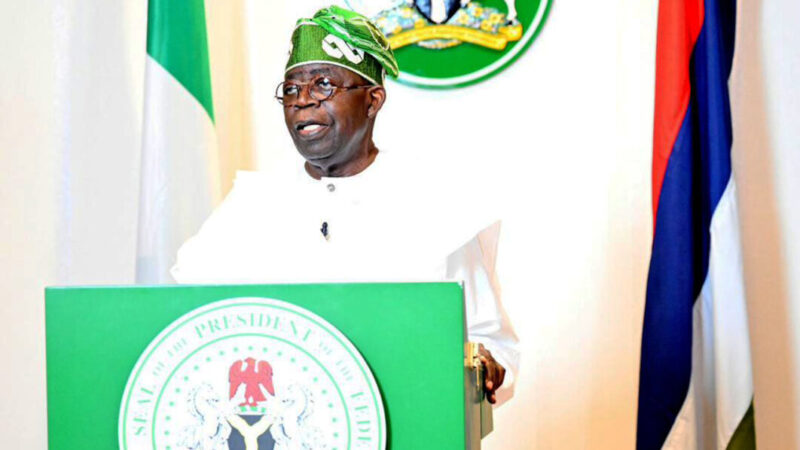
In his 2024 Independence Day address, President Bola Tinubu emphasized economic reforms, citing the attraction of over $30 billion in foreign investments and fiscal measures aimed at reducing Nigeria’s debt service ratio from 97% to 68%. He also mentioned efforts to lower living costs through agricultural programs and energy transition initiatives, particularly the expansion of Compressed Natural Gas (CNG) for public transport. Additionally, Tinubu announced a National Youth Conference to address youth employment and social justice. While these points may sound promising, the gap between lofty promises and the lived reality of most Nigerians remains a concern.
While the pomp and pageantry of Independence Day celebrations are significant in preserving national pride, it is becoming increasingly clear that Nigerians want more than grandiose promises. They want leaders who are pragmatic, who roll up their sleeves and get to work on addressing the myriad problems that affect the daily lives of citizens.
As we mark another year of independence, the country grapples with deepening economic woes, a growing debt crisis, and widespread insecurity. The average Nigerian is confronted with rising inflation, unemployment, and poverty. From the Southeast to the Northeast, banditry and insurgency continue to threaten lives and properties. In such a dire situation, what the country needs are leaders who offer practical solutions, not just lofty speeches.
Independence Day should be a time for honest introspection, where leaders present clear strategies for progress rather than rehearsed rhetoric. Year after year, Nigerians watch as their leaders commend themselves for efforts that have yielded little change, while the real issues persist. The disconnect between the rosy picture painted during these celebrations and the harsh realities on the ground is widening, creating frustration and disillusionment among the populace.
What Nigeria needs now more than ever is a pragmatic approach to governance. Leaders must move beyond rhetoric and commit to taking decisive actions that will improve the lives of the people. Policies should be driven by clear goals and measurable outcomes, not just political speeches. The gap between words and action must be closed if we are to see real development.
Rather than celebrating for the sake of it, Independence Day should be used to outline realistic plans to address the country’s problems. For example, the much-talked-about diversification of the economy must go beyond words and be aggressively pursued with actionable plans. Corruption, which continues to be a major stumbling block, should be fought with more than just speeches, there should be visible consequences for corrupt practices, regardless of political affiliations.
Nigerians deserve leaders who are accountable, leaders who are not just concerned with how they are perceived on national stages but who are genuinely interested in making a difference in the lives of the citizens. The grandeur of Independence Day celebrations should not overshadow the pressing need for genuine progress and development.
As we move forward, it is crucial for Nigerians to hold their leaders accountable for their promises. It is no longer enough to be content with well-rehearsed speeches and symbolic gestures. The nation needs to see real action, real change, and real commitment from its leaders to steer the country towards sustainable development.
Independence Day should be a moment to reflect on how far we have come as a nation, but it should also be a time to chart a new path forward. The celebration, while important for national unity and pride, must not distract from the urgent need for pragmatic leadership that focuses on action rather than rhetoric. Nigeria cannot afford to celebrate another Independence Day with the same old promises. It is time for our leaders to match their words with deeds.