National Issues
Early Warning Systems: A Strategic Path to Curb Conflict in Benue State -By Isah Aliyu Chiroma
Inclusivity emerged as a central theme throughout the mission, with new commitments to ensure women and persons with disabilities are actively involved in the conflict response process, a crucial step toward building sustainable peace. Media engagements and a high-profile summit at the Government House in Makurdi further amplified the project’s reach, raising public awareness and support.


Benue State, a region often defined by the scars of recurring conflict, recently found itself at the center of a pivotal initiative under the National Conflict Early Warning Response System (NCEWERS) project. This strategic intervention is designed to strengthen peace-building architecture, improve conflict monitoring and support timely response mechanisms across Nigeria. Over two days, February 25th and 26th, 2026, top officials from government, security agencies, and civil society came together on a historic advocacy mission. Their goal was simple: to reshape Benue’s peace-building architecture and create a blueprint for rapid, coordinated conflict response that could serve as a model for the nation.
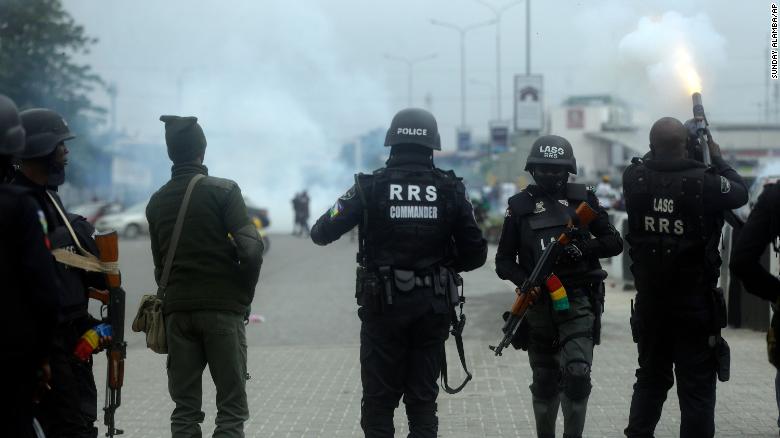
Benue’s landscape is marked by a complex terrain of challenges, from farmer-herder clashes and communal disputes and political contestation to rising youth violence and rising criminality like kidnapping and cultism. Climate change has intensified competition for limited land and water, while displacement and deepening economic hardship have further strained the state’s fragile social fabric. The toll is visible in rural communities, where cycles of violence have left a legacy of poverty, hunger, and widespread displacement.
Recent events underscore the urgency for a robust early warning and response system. On February 17, violent attacks in the Asase Ugbede settlement near Naka claimed the lives of a primary school teacher and his wife, which resulted in the abduction of six travellers on a major highway. In the days that followed, over 30 more people were killed in a series of brutal attacks across the state, highlighting the pressing need for swift, coordinated action to prevent further bloodshed.
The NCEWERS project—funded by the UK Foreign, Commonwealth and Development Office (FCDO) through SPRiNG—seeks to strengthen early warning and response mechanisms across Nigeria. In Benue, the two-day advocacy visit was led by the Director General of the Institute for Peace and Conflict Resolution (IPCR). The advocacy visit aimed to rally critical support among state and local stakeholders; fortify partnerships with government, security agencies, traditional and religious leaders, and civil society; and, most crucially, drastically reduce response times to early warnings and uncoordinated reactions despite available alerts.
The advocacy mission included meetings with the Benue State Commission for Peace and Reconciliation, the deputy governor’s office, and key security agencies such as the DSS, Police, Army, and Civil Defence Corps. Influential traditional rulers, among them the Tor Tiv and representatives of the Oche Idoma, lent their voices to the discussions. Civil society organisations, women’s groups, and associations representing persons with disabilities (PWDs) were also actively engaged, reflecting a broad-based approach to peace-building.
The visit yielded tangible results. Stakeholders made both verbal and formal commitments to support NCEWERS, including pledges for budgetary allocations, logistical support, and enhanced data sharing. Notably, institutions nominated dedicated desk officers to join the state’s Early Warning Response Group, a move that promises to boost local capacity for timely action on conflict alerts.
Inclusivity emerged as a central theme throughout the mission, with new commitments to ensure women and persons with disabilities are actively involved in the conflict response process, a crucial step toward building sustainable peace. Media engagements and a high-profile summit at the Government House in Makurdi further amplified the project’s reach, raising public awareness and support.
The NCEWERS advocacy visit stands as a significant milestone in Benue’s ongoing struggle for peace. With new partnerships forged and concrete commitments in place, there is renewed hope that a faster, more inclusive response to conflict can help the state turn the page on violence. For communities long weary of war and instability, this initiative offers a path toward healing and a future defined not by conflict, but by resilience and hope.