
Forgotten Dairies
International Women’s Day And The Theatre Of Hypocrisy In Nigeria -By Isaac Asabor
As Nigeria observes International Women’s Day again this year, the challenge is clear. Celebrating women should not be an annual performance staged by those who resist gender equality. It should be a reaffirmation of commitment to dismantling the structures that continue to marginalize women.

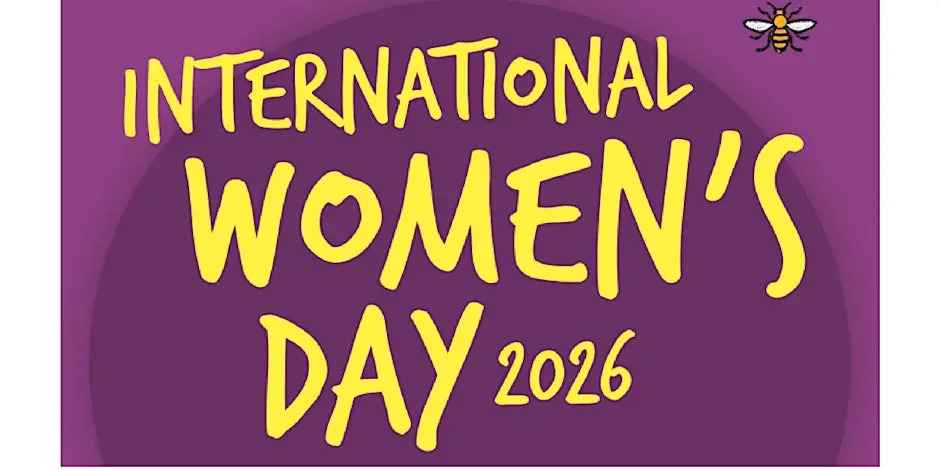
Every year on March 8, social media timelines in Nigeria light up with celebratory messages marking International Women’s Day. Politicians issue statements praising women’s resilience. Corporate organizations post carefully designed graphics applauding women’s achievements. Influential men publish long tributes about the strength, grace, and importance of women in society. For a day, the rhetoric is loud, enthusiastic, and seemingly progressive.
Yet beneath the flood of hashtags and congratulatory messages lies a disturbing contradiction. Some of the loudest voices celebrating women on International Women’s Day are the very individuals who, in practice and in attitude, perpetuate misogyny. In Nigeria, the spectacle has increasingly become a theatre of hypocrisy where men who routinely belittle women suddenly transform into champions of gender equality, at least for twenty-four hours.
The contradiction is glaring. Gender inequality remains deeply entrenched in Nigerian society. The gender gap is visible in politics, employment, education, and leadership. Gender-based violence continues to plague communities across the country. Yet when International Women’s Day arrives, the same individuals who resist meaningful change become the most enthusiastic celebrants of women.
Without resort to sounding sanctimonious in this context, permit this writer to opine that this is not celebration. It is performance. In fact, the numbers alone expose the problem. Nigeria has one of the lowest levels of female political representation in Africa. Women occupy only a small fraction of legislative seats at both the federal and state levels. Repeated efforts to pass gender equality bills have stalled or been rejected. When legislation aimed at improving women’s rights reaches the floor of the National Assembly, it is often defeated by overwhelmingly male lawmakers who argue that such measures threaten cultural or religious values. Yet those same political actors are often among the first to post glowing International Women’s Day tributes. The irony borders on absurd.
The hypocrisy extends far beyond politics. In workplaces across Nigeria, women continue to encounter structural barriers that limit their professional advancement. Pay disparities persist. Leadership positions remain male-dominated. Women are frequently expected to prove themselves more than their male counterparts before receiving equal recognition or opportunity.
Still, every March 8, organizations publish cheerful messages celebrating women’s “indispensable contributions.”
What these messages rarely acknowledge is that the structural inequalities inside many of these institutions remain intact.
Even more troubling is the persistence of gender-based violence. Domestic violence, sexual harassment, and sexual assault continue to affect countless Nigerian women and girls. News headlines routinely report cases of abuse, exploitation, and femicide. Advocacy groups have spent years calling for stronger enforcement of laws designed to protect women.
Despite this grim reality, there are men who dismiss conversations about gender violence as exaggerations or “Western narratives.” Some openly mock feminist activism. Others accuse women who speak out about abuse of seeking attention.
But when International Women’s Day arrives, these individuals suddenly adopt the language of empowerment.
Some of these men, who no doubt come across as misogynists are wont to praise women as “queens. They celebrate “the strength of mothers.” They encourage society to “respect women.” Then the clock strikes midnight on March 9, and the performance ends.
The pattern has become predictable. It is not driven by genuine commitment to gender equality. Rather, it is fueled by social pressure and public image management. In the age of social media, failing to acknowledge International Women’s Day can appear insensitive or outdated. As a result, even those who privately hold deeply misogynistic views feel compelled to join the celebration. The outcome is a flood of empty rhetoric.
This performative support is not harmless. In fact, it can be damaging because it creates the illusion of progress while leaving the underlying problems untouched. When misogynists publicly celebrate women without confronting their own biases or behaviors, they dilute the meaning of International Women’s Day itself.
The day was never intended to be a festival of flattering words. Its origins lie in labor movements and women’s struggles for rights to vote, to work, to earn fair wages, and to live free from discrimination. Over time, it has evolved into a global platform for highlighting the ongoing fight for gender equality.
Reducing it to decorative posts and superficial praise strips the day of its political and social significance.
In Nigeria, genuine support for women would require confronting uncomfortable truths. It would mean acknowledging that patriarchal norms still shape many aspects of social life. It would mean addressing cultural attitudes that treat women as subordinate to men. It would mean supporting policies that expand women’s representation in governance, improve access to education and economic opportunity, and strengthen legal protections against abuse.
Most importantly, it would mean listening to women when they speak about their experiences. But listening requires humility, and humility is often absent in misogynistic spaces.
Instead, what frequently emerges is defensive backlash. When women demand equal opportunities, they are accused of wanting special treatment. When they challenge sexism, they are labeled aggressive or disrespectful. When they call attention to gender violence, they are told they are exaggerating.
Yet the same critics are perfectly comfortable posting celebratory messages on International Women’s Day. This contradiction raises an uncomfortable question: what exactly are they celebrating?
If a man believes women should not lead in politics, should not question male authority, and should tolerate harassment as a normal part of life, then his International Women’s Day message is not a tribute. It is a contradiction. True respect for women cannot exist only in hashtags.
The performative celebration of women also distracts from the work that still needs to be done. Nigeria has brilliant, resilient women who excel in business, academia, science, journalism, and public service. Their achievements deserve recognition. But recognition must go hand in hand with dismantling the barriers that limit their full participation in society.
Unfortunately, celebration without reform is hollow. In fact, for International Women’s Day to retain its relevance, it must be more than a ceremonial occasion. It must serve as a moment of reflection and accountability. It should challenge individuals and institutions to examine whether their actions align with their words.
Men who genuinely support gender equality do not wait for March 8 to demonstrate it. They support policies that promote fairness. They challenge sexist jokes and attitudes within their social circles. They advocate for safe workplaces and communities. They recognize women as equals, not as symbolic figures to be praised once a year.
In contrast, misogynists who suddenly discover admiration for women every March are not allies. They are participants in a cultural ritual that prioritizes appearance over substance. Nigerian women deserve better than that.
They deserve leaders who support gender equality year-round, not just during commemorative events. They deserve workplaces where their contributions are valued and rewarded equally. They deserve communities where their safety is guaranteed and their voices are respected.
And they deserve honesty. If someone holds misogynistic beliefs, the least they can do is refrain from pretending otherwise for the sake of public applause. Hypocrisy does not advance women’s rights; it undermines them.
As Nigeria observes International Women’s Day again this year, the challenge is clear. Celebrating women should not be an annual performance staged by those who resist gender equality. It should be a reaffirmation of commitment to dismantling the structures that continue to marginalize women.
Until that commitment becomes genuine and consistent, the spectacle will remain what it often appears to be: a chorus of praise delivered by voices that, for the rest of the year, refuse to practice what they preach.
























You must be logged in to post a comment Login