Forgotten Dairies
Frank Mba’s Exit Highlights the Politics of Police Appointments and the Question of Igbo Representation in Nigeria -By Daniel Nduka Okonkwo
Nigeria’s security institutions have demonstrated that the tradition can be adjusted when circumstances demand it. In December 2025, amid what authorities described as a national security emergency, the Nigerian Army temporarily suspended both voluntary and statutory retirements for certain officers to retain experienced personnel.

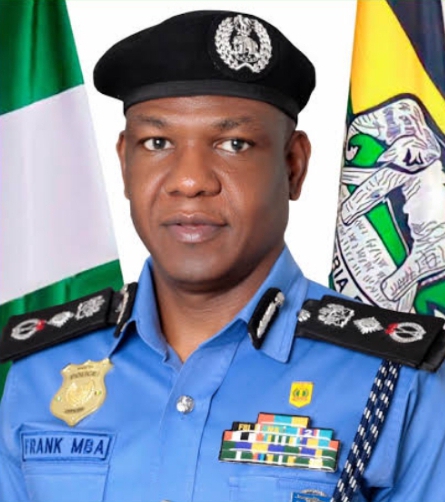
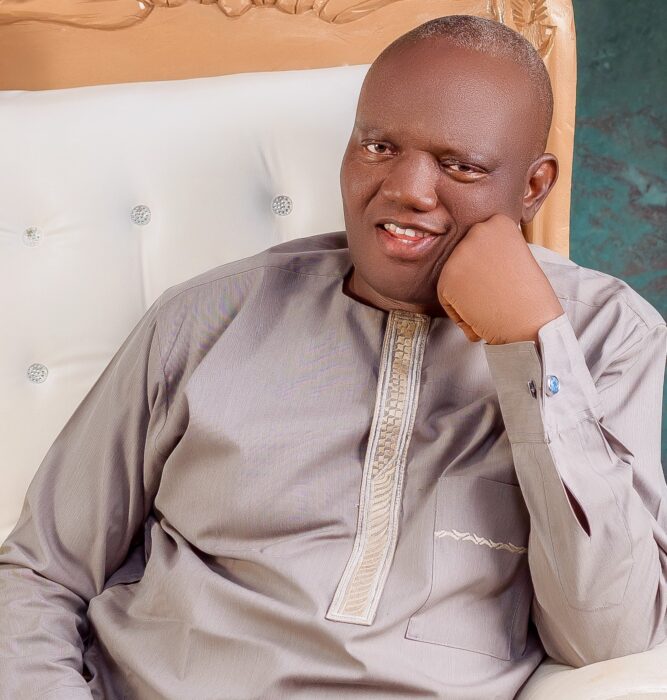
The exit of the Deputy Inspector-General highlights long-standing concerns about the politics of police appointments and the place of Igbos in Nigeria’s security leadership. Frank Mba’s distinguished career in the Nigerian Police Force remains a shining example of professionalism, integrity, and visionary leadership. Although he did not ascend to the position of Inspector General of Police, his contributions to the institution were profound and transformative.
Through years of dedicated service, Mba rose to prominence by merit, demonstrating an unwavering commitment to justice and reform. His influence extended beyond administrative duties. He became a symbol of discipline and innovation, shaping policies that strengthened the force and inspiring officers to uphold the highest standards of conduct.
MBA’s tenure was marked by a rare blend of intellectual depth and practical leadership. He championed modernization, improved communication within the force, and consistently advocated for community-oriented policing. His ability to balance firmness with empathy earned him respect both within the ranks and among the public.
In retirement, Frank Mba leaves behind more than memories of service. He leaves a legacy. His career underscores the truth that greatness is not defined solely by titles or positions held, but by the impact made and the standards set for future generations. The Nigerian Police Force, and indeed the nation, will continue to benefit from the mark of excellence he imprinted on the institution.
In many instances, the appointment of a junior officer to a top position triggers the retirement of several senior officials, including generals, air vice marshals, deputy inspectors-general, assistant inspectors-general, and rear admirals.
Since Nigeria’s return to civilian rule in 1999, the appointment of Inspectors-General of Police has frequently reflected the regional origins of the country’s presidents. This recurring pattern has sparked debate about inclusivity, federal balance, and the equitable representation of Nigeria’s diverse regions within the nation’s security architecture.
While regions such as the South-West and North-West have at different periods enjoyed prominence in police leadership, discussions about representation have often highlighted perceptions of uneven regional distribution in the country’s most senior security positions.
It is important to note that since 1999, two individuals of Igbo extraction have served as substantive Inspectors-General of Police: Mike Mbama Okiro from 2007 to 2009 and Ogbonna Okechukwu Onovo from 2009 to 2010. Both were appointed during the administration of President Umaru Musa Yar’Adua.
Despite these appointments, conversations about representation within Nigeria’s security leadership continue to surface in public discourse. For many observers, such discussions reflect broader historical and political dynamics in the country’s post-civil war evolution, where issues of regional inclusion and federal balance remain central to national governance debates.
MBA, who served for 34 years in the Nigeria Police Force, voluntarily retired from service after reaching one of the institution’s most senior ranks. Multiple sources confirmed that the senior officer, who was responsible for Training and Development at the Force Headquarters, personally initiated the process leading to his retirement.
Although some reports initially suggested that his departure may have been linked to the appointment of a new Inspector-General of Police, official explanations indicate that the decision was voluntary.
MBA, a former Force Public Relations Officer widely known for his articulate public engagement and communication skills, rose to the rank of Deputy Inspector-General in June 2023. At the end of his service, he expressed gratitude to President Bola Ahmed Tinubu and the Nigerian people for the opportunity to serve the nation.
His retirement also reflects a long-standing institutional tradition within Nigeria’s security services. When a new Inspector-General of Police, Chief of Defence Staff, or Service Chief is appointed, particularly from a more recent graduating course, senior officers who are coursemates of or senior to the new appointee often choose to retire.
The practice is rooted in the hierarchical culture of the armed forces and police institutions, where rank structure and command clarity are considered essential to discipline and operational effectiveness.
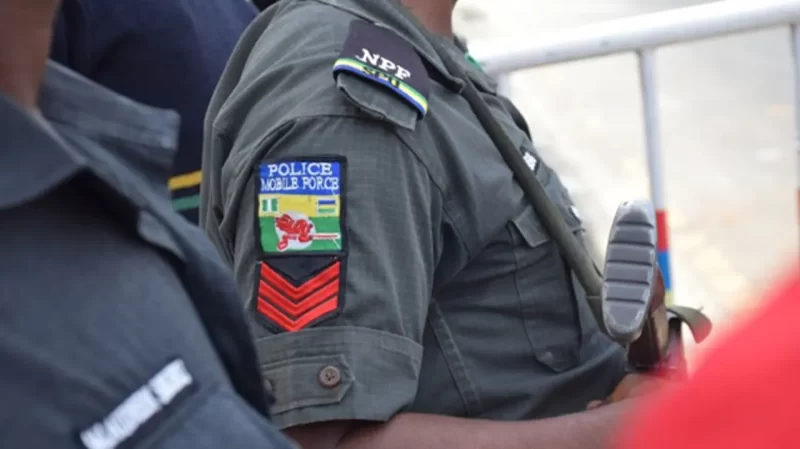
Within the Nigerian Police Force, it is common for senior Deputy Inspectors-General or Assistant Inspectors-General to retire once a junior officer becomes Inspector-General. However, the practice has increasingly attracted scrutiny regarding whether it is legally required or simply a long-standing institutional tradition.
Under Nigeria’s Public Service Rules, retirement from service is typically determined by either 60 years of age or 35 years of service. No written law explicitly mandates the retirement of an officer solely because a junior colleague has been promoted above them.
Military and police etiquette dictates that respect is rendered to rank rather than personal seniority. In principle, a senior officer who is passed over for promotion is still expected to salute and respect a junior officer who now holds a higher rank.
Nevertheless, cultural norms within the services often encourage senior officers to step aside voluntarily to maintain command cohesion and avoid awkward reporting relationships.
Critics argue that the tradition can sometimes lead to the premature loss of highly experienced personnel at moments when the country is facing serious security challenges. They describe the practice as potentially wasteful, particularly when institutional memory and operational expertise are urgently needed.
Nigeria’s security institutions have demonstrated that the tradition can be adjusted when circumstances demand it. In December 2025, amid what authorities described as a national security emergency, the Nigerian Army temporarily suspended both voluntary and statutory retirements for certain officers to retain experienced personnel.
The decision illustrated that operational necessity can override longstanding institutional customs when national security considerations require it.
Voluntary retirement following the appointment of a junior officer helps sanitize the leadership structure, create opportunities for younger officers, and inject fresh strategies into the security framework.
The practice deserves closer examination, particularly as Nigeria grapples with evolving security threats and increasing calls for institutional reforms.
The retirement of officers such as Frank Mba, therefore, highlights a broader conversation about leadership succession, institutional culture, and the need to balance tradition with efficiency within Nigeria’s security services.
At the same time, ongoing discussions about representation within key national institutions, including the security sector, continue to form part of Nigeria’s wider democratic conversation about inclusivity, federal balance, and national cohesion.
Daniel Nduka Okonkwo is a Nigerian investigative journalist, publisher, and human rights advocate. He is the Publisher of Profiles International Human Rights Advocate, an independent media platform committed to promoting justice, accountability, and good governance. His reporting and analysis have appeared in respected outlets including Sahara Reporters, African Defence Forum, Daily Intel Newspapers, Opinion Nigeria, and African Angle. With a career dedicated to governance reform, institutional accountability, national security, and civil liberties, Okonkwo has established himself as a credible voice in Nigerian public affairs and human rights reporting. He can be reached at dan.okonkwo.73@gmail.com.