Africa
Electricity Act 2023 and the South-East: A Pathway to Regional Economic Transformation -By Chris Ebia


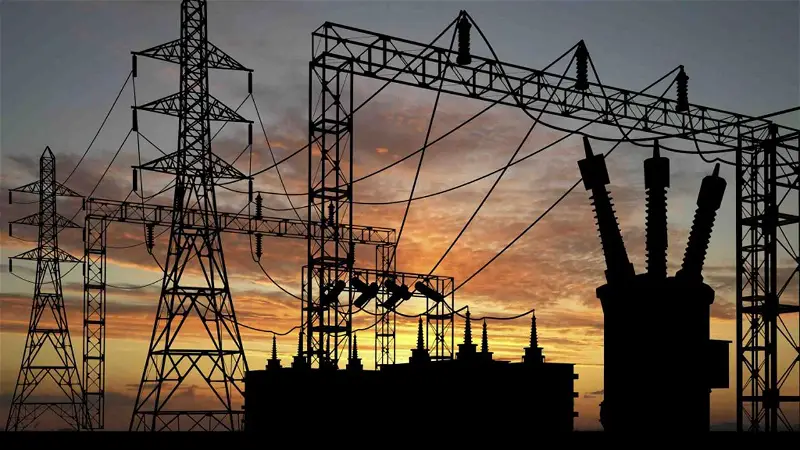
Electricity is the foundation of modern economic development. From industrial production and healthcare delivery to education, digital services, and small businesses, reliable power determines productivity, competitiveness, and quality of life. For decades, Nigeria’s electricity sector was governed under a highly centralized framework that limited the ability of states to respond effectively to their peculiar energy needs. The enactment of the Electricity Act represents a decisive shift from this model and offers a historic opportunity for sub-national development, particularly for the South-East geopolitical zone.
Understanding the Electricity Act 2023
The Electricity Act 2023 fundamentally restructures Nigeria’s power sector by decentralizing electricity governance. It empowers states to generate, transmit, distribute, and regulate electricity within their territorial boundaries. In practical terms, this means that electricity is no longer the exclusive preserve of the Federal Government. States now have constitutional and statutory backing to design and implement electricity markets that align with their economic aspirations and development priorities.
Under the Act, states can license power generation projects, develop intra-state transmission networks, establish distribution systems, and create State Electricity Regulatory Commissions to oversee electricity activities within their jurisdictions. This legal framework replaces decades of centralized control with a more flexible, market-oriented, and development-driven approach.
Jurisdiction and Regulatory Structure
The Act provides clarity on the division of responsibilities between federal and state authorities. The federal regulator, the Nigerian Electricity Regulatory Commission, retains oversight over inter-state electricity transactions and the national grid. However, once a state enacts its own electricity law and establishes a state regulator, regulatory authority over intra-state electricity activities transfers from NERC to the state body.
This clear delineation of jurisdiction reduces regulatory uncertainty, enhances investor confidence, and creates room for innovation in electricity planning and delivery at the state level.
Emerging State-Level Implementation
Across Nigeria, several states have begun taking steps to domesticate the Electricity Act 2023 by passing state electricity laws and setting up regulatory frameworks. Within the South-East, Abia State has emerged as an early mover, and is already enjoying it’s own electricity.
These early efforts demonstrate that the Act is not merely a policy document but a practical tool for reform. They also provide a learning curve for other states in terms of institutional design, stakeholder engagement, and investment structuring.
Why the Electricity Act Matters to the
South-East
The South-East region stands to gain significantly from effective implementation of the Electricity Act 2023 due to its economic structure and demographic strengths.
First, the region has a high concentration of small and medium-scale enterprises, informal manufacturing hubs, and industrial clusters. Erratic power supply has historically increased production costs, reduced output, and constrained growth. State-driven electricity solutions can provide dedicated, reliable, and affordable power to these clusters, directly improving productivity and competitiveness.
Second, the South-East is renowned for its strong entrepreneurial culture and human capital. Reliable electricity would unlock growth in technology especially in cities and towns like Onitsha, Nnewi, Enugu, Owerri, Aba and Abakaliki; startups, digital services, agro-processing, and manufacturing sectors that are highly sensitive to power availability.
Third, improved electricity supply would significantly strengthen social infrastructure. Hospitals, diagnostic centres, schools, and universities depend on stable power for effective service delivery. Decentralized electricity planning allows states to prioritize critical infrastructure and public services without waiting for national grid interventions.
Finally, electricity reform is a powerful investment signal. States with functional, transparent, and investor-friendly electricity markets are more attractive to independent power producers, industrial investors, and public-private partnerships. This has direct implications for job creation, revenue generation, and economic diversification in the South-East.
A Call to Action for South-East Governors
The Electricity Act 2023 presents South-East governors with a rare opportunity to translate policy into tangible economic outcomes. However, the benefits of the Act are not automatic; they depend on deliberate and coordinated action at the state level.
South-East states should urgently:
1. Enact state electricity laws aligned with the federal framework
2. Establish State Electricity Regulatory Commissions with clear mandates
3. Develop state electricity master plans linked to industrial and urban development strategies
4. Promote private sector participation through transparent licensing and cost-reflective tariffs
5. Prioritize embedded generation and localized power solutions for industrial clusters and critical infrastructure
Collective action across the region would further enhance impact. Harmonized policies, shared technical expertise, and regional power initiatives could position the South-East as a competitive industrial and commercial hub within Nigeria.
Conclusion
The Electricity Act 2023 marks a turning point in Nigeria’s electricity sector by shifting power closer to the people. For the South-East, it is more than a legal reform; it is an economic development tool capable of transforming industry, strengthening social services, and stimulating inclusive growth.
Governor Perter Mba of Enugu, Alex Oti of Abia, Francis Nwifuru of Ebonyi, Hope Uzodimma of Imo and Chukwuma Soludo of Anambra should come together and act decisively, to convert the long-standing electricity challenges into opportunities for prosperity in the South-East. The law has been enacted, the pathway is clear, and early examples have emerged from Abai State. What remains is leadership, vision, and coordinated implementation. Electricity, properly harnessed, can become the engine of a renewed and resilient South-East economy.
Engr C.O EBIA
Electrical Engineering Consultant & MD
MyDream Engineering Solutions ltd
Nsukka, Enugu State.
07067115709
info@mydream.com.ng