
Africa
Our Lawmakers Are Not Technophobic, They Are Just Afraid Of Transparent Elections -By Isaac Asabor
Nigeria does not need leaders who pretend to fear innovation. It needs leaders who fear injustice, manipulation, and democratic decay. Until that shift occurs, debates over electronic transmission will remain less about feasibility and more about power.

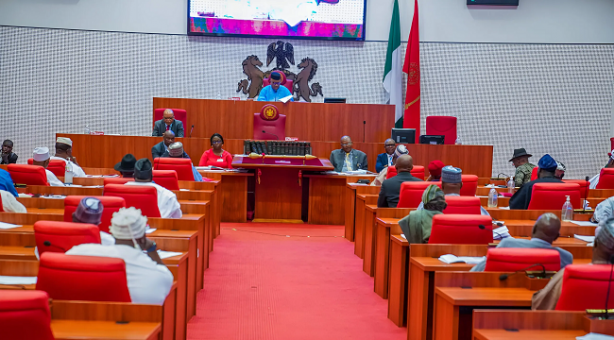
If Nigerian lawmakers were truly afraid of technology, their fear would be consistent, visible, and all-encompassing. It would manifest in their daily routines and official conduct. They would shun smartphones, distrust digital banking, resist biometric verification, and insist on paper-driven governance in a world that has long moved on. But that is not the Nigeria we see. On the contrary, Nigeria’s political class is deeply embedded in a technologically enabled lifestyle. They campaign aggressively on social media, coordinate through encrypted messaging platforms, approve budgets electronically, and rely on digital systems to manage personal wealth and public resources. By any honest assessment, Nigerian lawmakers are not technophobic.
Given the foregoing view, it is germane to opine that their problem with technology begins only when it threatens elections. In fact, nowhere is this selective fear more evident than in the persistent resistance to electronic transmission of election results. Each time the subject comes up, lawmakers suddenly become cautious technocrats, warning of weak infrastructure, unreliable networks, and cybersecurity risks. These concerns are presented as sober, patriotic objections meant to protect the integrity of elections. In reality, they function as a smokescreen, carefully constructed to conceal a deeper anxiety: the fear of transparent elections.
Nigeria’s electoral history explains this fear. The country’s elections have rarely been lost at the polling unit; they are often lost between the polling unit and the collation centre. Voters line up, cast their ballots, and leave with a sense of civic duty fulfilled, only for results to mysteriously transform during collation. That opaque space, where manual processes dominate and oversight is weakest, has long been the graveyard of the people’s mandate. It is within this space that figures are adjusted, results substituted, and outcomes negotiated far from public scrutiny.
Electronic transmission directly threatens this arrangement. By sending results from the polling unit in real time, it narrows the window for human interference and reduces the opportunities for manipulation. It makes elections less negotiable and more factual. And that is precisely why it provokes resistance.
Lawmakers often cite poor network coverage as their principal objection, as though electronic transmission requires uninterrupted internet access across the entire country at the same moment. This argument collapses under minimal scrutiny. Modern digital systems are designed to operate in imperfect environments. Data can be securely stored offline and transmitted once connectivity becomes available. Nigerians already interact daily with such systems, mobile banking, digital wallets, messaging platforms, and biometric services, all of which function despite inconsistent network coverage. To argue that Nigeria is technologically incapable of transmitting election results electronically is to deny the lived reality of millions of Nigerians.
Cybersecurity is another convenient talking point. Lawmakers warn of hacking, foreign interference, and system failure. These risks are real, but they are not unique to elections. Nigeria’s financial sector processes trillions of naira electronically every day under similar threats. Government databases store sensitive biometric information on citizens. The response to these risks has never been to abandon technology altogether, but to improve safeguards, introduce redundancies, and enforce accountability. If lawmakers were genuinely concerned about security, their energy would be directed toward strengthening electronic transmission frameworks, not blocking them outright.
What they offer instead is resistance without reform, caution without alternatives, and skepticism without sincerity.
The truth is that electronic transmission alters the balance of power in Nigeria’s elections. It shifts influence away from political intermediaries who thrive on manual systems and backroom negotiations. It reduces the discretion of officials at collation centres. It strengthens transparency and increases public confidence in electoral outcomes. Most importantly, it moves power closer to voters by ensuring that what is counted reflects what was cast. For a political class accustomed to operating within grey areas, this shift is deeply unsettling.
The hypocrisy becomes even more glaring when one considers how eagerly lawmakers embrace technology when it serves their interests. Party primaries increasingly rely on digital membership registers. Campaigns are driven by data analytics, online engagement, and targeted messaging. Legislative allowances and benefits are processed efficiently through electronic systems. Government agencies routinely collect biometric data from citizens without objections about readiness or capacity. At no point do lawmakers argue that Nigeria is “not ready” for these technologies. Readiness suddenly becomes a concern only when transparency and accountability enter the conversation.
This pattern exposes the real issue: resistance to electronic transmission is not about technology; it is about control. It reflects a political culture that welcomes modernization only when it reinforces elite dominance, while treating any reform that democratizes power as a threat. Technology is acceptable when it protects privilege, but unacceptable when it protects votes.
Supporters of the lawmakers often argue that caution in electoral matters is necessary, and that skepticism toward new systems is healthy. In principle, that argument is valid. In practice, it rings hollow. Healthy skepticism is consistent and constructive. What Nigerians have witnessed instead is a pattern of deliberate obstruction. Each time electoral reforms threaten to strengthen institutions, legislative interventions emerge to weaken them. Provisions are watered down, timelines delayed, and implementation frustrated. The consistency of this behavior suggests intent, not coincidence.
There is also a moral dimension to this resistance that cannot be ignored. Elections are not mere administrative exercises; they are expressions of popular sovereignty. Nigerians routinely endure long queues, insecurity, logistical failures, and even violence to vote. In doing so, they place trust in the system. Blocking reforms designed to protect that trust amounts to endorsing a broken status quo that has repeatedly failed the people. Lawmakers who oppose transparent electoral mechanisms are effectively choosing political convenience over democratic integrity.
Public sentiment on this issue is largely settled. Many Nigerians, particularly young voters, support the use of technology to safeguard elections. They understand that while no system is perfect, opacity is far more dangerous than innovation. The resistance to electronic transmission does not reflect the will of the people; it reflects the fear of those who benefit from weak systems. It highlights a troubling disconnect between elected officials and the electorate they claim to represent.
Electronic transmission alone will not fix Nigeria’s democracy. Deeper reforms are required, including stronger institutions, independent oversight, and accountability for electoral offenders. But electronic transmission is a practical and achievable step toward reducing malpractice. Opposing it sends a damaging message: that maintaining control matters more than ensuring credibility.
If Nigerian lawmakers were honest, they would admit that their objection is not rooted in technological incapacity. It is rooted in fear, fear of transparent elections, fear of losing influence, and fear of a system that no longer bends easily to manipulation. Technology, in this context, is threatening not because it is complex, but because it is honest.
Nigeria does not need leaders who pretend to fear innovation. It needs leaders who fear injustice, manipulation, and democratic decay. Until that shift occurs, debates over electronic transmission will remain less about feasibility and more about power.
Our lawmakers are not technophobic. They are simply afraid of transparent elections, and Nigeria’s democracy continues to pay the price.



























You must be logged in to post a comment Login