Breaking News
Fuel Price Remains High at N1,300/Litre as Marketers Delay Response to Dangote Price Slash
Oil marketers delay pump price reduction even after Dangote Refinery cut petrol gantry price by N100. Fuel still sells up to N1,300 per litre.

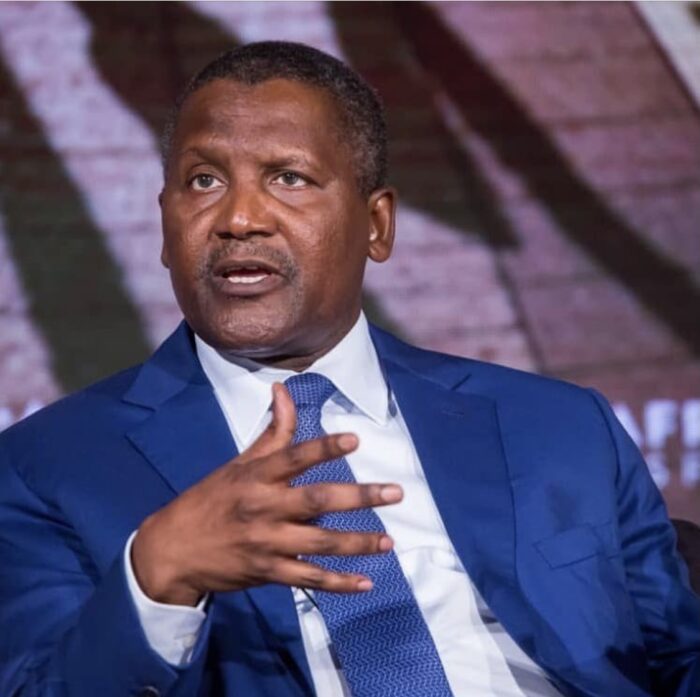
Fuel prices at filling stations remain as high as N1,300 per litre despite a N100 reduction in petrol gantry price by Dangote Petroleum Refinery to N1,075 per litre.
The reduction followed a drop in global crude prices from $110 to around $88 per barrel, but marketers have yet to widely reflect the change at retail outlets.
The global oil market had earlier been disrupted by the conflict involving the United States, Iran and Israel, which led to shutdowns of oil facilities and the blockade of the Strait of Hormuz, a key oil transit route.
Oil prices later declined after Donald Trump, President of the United States, announced that the war might end soon, easing concerns about prolonged supply disruptions.
Market data showed that Brent Crude fell by more than 8.45 per cent to about $92 per barrel from $110, reflecting a 16.4 per cent decline.
The development also followed discussions among European ministers on the possible release of strategic oil reserves to stabilise the market.
Mixed response at filling stations
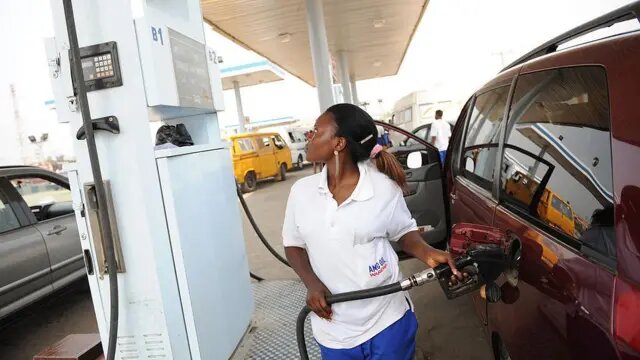
In Abuja, some stations reduced pump prices after Dangote’s announcement.
NNPC Retail outlets cut their pump price from N1,265 to N1,161 per litre, while AA Rano and AYM Sharfa dropped their prices to N1,230 per litre.
However, several independent marketers maintained prices between N1,300 and N1,355 per litre.
In Lagos, petrol sold between N1,170 and N1,250 per litre, depending on location.
Depot prices remain elevated
Depot prices ranged between N1,190 and N1,220 per litre in Lagos, with operators including Matrix Energy, NIPCO, Pinnacle Oil and Gas, and Rainoil selling within this range.
Similar prices were recorded in Warri, Port Harcourt, and Calabar.
Nigerians lament fuel costs
Transporters and commuters have called on the Nigerian Midstream and Downstream Petroleum Regulatory Authority to compel marketers to reduce pump prices.
One commuter said:
“Operators, especially depot owners, are always fast to adjust upward prices in their favour. However, they always find it difficult to adjust downward in favour of consumers.”
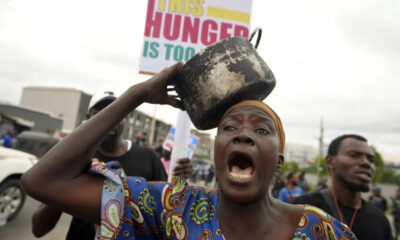
Motorcycle operator John Bassey said rising fuel prices were crippling transport operators.
“Life has become very difficult with me and other operators in the transport sector because of the high cost of petrol.”
Private car owner Ola Salami added:
“I had to park my car… I am disappointed because the price remains high in all the filling stations I have visited so far.”
Call for stronger policy support
Economist Muda Yusuf of the Centre for the Promotion of Private Enterprise praised Dangote Refinery’s action and urged the government to support domestic refining.
He stressed that policy measures should focus on reliable crude supply, improved distribution infrastructure, tariff protection and incentives for further refining investments.
Emergency oil release
Meanwhile, the International Energy Agency approved the release of 400 million barrels of oil from emergency reserves to offset supply disruptions caused by the closure of the Strait of Hormuz.
According to IEA Executive Director Fatih Birol:
“The oil market challenges we are facing are unprecedented in scale… therefore I am very glad that IEA Member countries have responded with an emergency collective action of unprecedented size.”
Africans Angle News