
Africa
The Battle for Peace in Northern Nigeria -By Aisha Yusuf Bangu
Education has also suffered. Schools in rural communities are often closed for fear of attacks, and the abduction of students has left parents terrified to send their children to class. Each empty classroom represents a future put on hold. Education is more than books; it is hope, opportunity, and the key to breaking cycles of poverty and violence. When children cannot learn safely, society as a whole loses its chance to move forward.

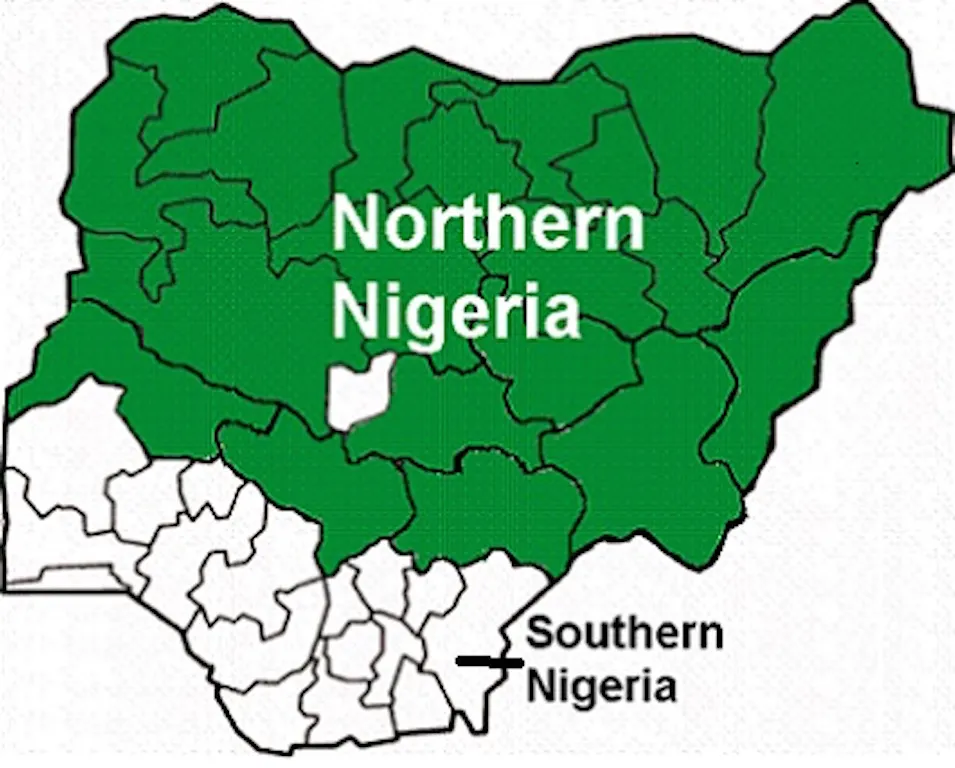
For over a decade, Northern Nigeria has lived under the heavy shadow of insecurity. What once seemed like isolated attacks has grown into a crisis touching the lives of millions. Terrorism in the North-East, banditry in the North-West, and kidnappings along major highways have turned once peaceful communities into places of fear. Villages are raided in the middle of the night, travelers are snatched from roads they’ve used for years, and farmers hesitate to step into their fields. The gentle rhythm of rural life has been replaced by the constant sound of gunfire, leaving people to wonder whether tomorrow will be safer than today. This is not just a security issue it is a human crisis, one that touches every part of life and threatens the very future of a generation.
In many towns and villages, insecurity has become part of everyday life. Families live in constant fear, parents anxious for the safety of their children, and children growing up with sights and sounds no child should ever witness.
Communities are torn apart, forcing thousands to flee their homes and seek refuge in crowded, under-resourced camps. These camps may offer a roof, but they cannot replace the sense of home, the freedom of a safe street, or the dignity of a normal life. Families struggle to find food, access healthcare, or send their children to school, while mourning what they have lost. Every home abandoned, every field left untended, is a story of lives interrupted and dreams deferred.
Northern Nigeria has long been the country’s agricultural heart. It produces grains, livestock, and other food that feed millions across the nation. Yet insecurity has disrupted this vital lifeline. Farmers fear going to their fields during planting and harvest seasons, while others are forced to pay illegal taxes to bandits or face threats and violence. The result is bare fields, falling harvests, rising food prices, and growing hunger. The consequences do not stop at state borders—they ripple across the country, leaving markets unstable and families struggling to afford basic food.
Education has also suffered. Schools in rural communities are often closed for fear of attacks, and the abduction of students has left parents terrified to send their children to class. Each empty classroom represents a future put on hold. Education is more than books; it is hope, opportunity, and the key to breaking cycles of poverty and violence. When children cannot learn safely, society as a whole loses its chance to move forward.
The psychological toll of insecurity is deep. Living with constant fear leaves lasting scars. Families grieve lost loved ones. Children live with anxiety and trauma that may never fully heal. Communities that once trusted their neighbors now look at strangers with suspicion. The social bonds that hold society together begin to fray, leaving people isolated in their fear.
The government carries the ultimate responsibility to protect its citizens.
Security agencies have worked tirelessly, often risking their lives, yet the crisis persists. Military action alone cannot restore peace. Real solutions require a deeper understanding of the root causes of violence and a strategy that combines security with opportunity. Stronger intelligence networks, better coordination among security agencies, well-equipped personnel, and the eradication of corruption are essential.
At the same time, creating jobs, supporting education, and providing young people with hope are just as important. When people see a future for themselves, they are less likely to turn to violence or crime.
Communities themselves hold part of the solution. Traditional rulers, religious leaders, and elders carry wisdom and influence that can help guide their people toward peace.
Community-based security initiatives, when carefully managed, can support formal agencies by providing local insights and intelligence. But this must be done carefully to avoid further conflict. Unity is critical; criminals thrive where communities are divided, suspicious, or disconnected.
Speaking out is another vital weapon against insecurity. Silence allows violence to fester. Citizens, journalists, and civil society groups must continue to tell the stories of suffering and demand accountability from leaders. Freedom of expression is not opposition it is a lifeline. Raising concerns, asking questions, and holding leaders to account are necessary for any society that wants to progress.
Even in the face of darkness, hope persists. The people of Northern Nigeria have endured hardship before and have shown remarkable resilience. The region is rich in culture, talent, and resources.
With the right leadership, strong institutions, and united communities, peace is possible. Ending insecurity is not just about protecting lives today; it is about safeguarding the futures of millions of children.
Every farmer deserves to cultivate their land without fear. Every child deserves a classroom where they can learn safely. Every traveler deserves to move freely without danger. Northern Nigeria deserves peace and the fight to reclaim it cannot be lost.






















You must be logged in to post a comment Login