Forgotten Dairies
Fuel Price Hike: Nigerians Bear the Burden Again -By Rinret Istifanus
The rising cost of fuel is more than an inconvenience; it is a call to action. Nigerians must demand policies that prioritize sustainability and equity, while policymakers must recognize that energy decisions shape livelihoods, economic stability, and public trust. Every trip to the pump should remind the nation that the cost of inaction may be far greater than the price on the meter.

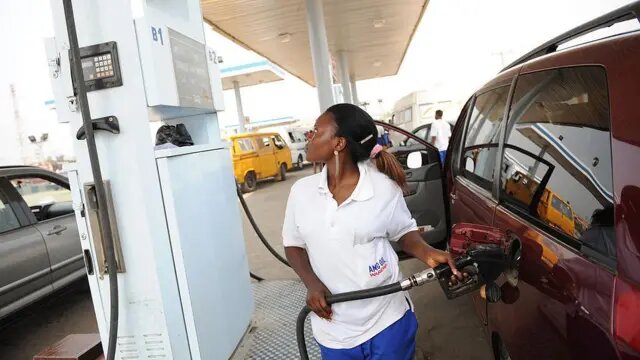
Nigeria woke up this week to yet another shock at the fuel pump as petrol prices surged once again. For millions of Nigerians already struggling with rising living costs, the increase is more than a policy decision it is a daily reality that affects transportation, food prices, and the survival of small businesses.
At first glance, the impact is felt at the pump, but the broader implications run far deeper, exposing structural weaknesses in the nation’s economy, energy policy, and governance.
Fuel subsidies, long a hallmark of Nigerian economic policy, have for decades offered temporary relief to ordinary citizens. Yet while these subsidies cushioned the blow of global oil shocks, they have also placed enormous strain on government finances, diverting funds from critical sectors such as education, healthcare, and infrastructure. The recent removal or reduction of these subsidies, compounded by rising global oil prices, may have been inevitable. Still, the timing and scale of the hike highlight how heavily Nigeria relies on petroleum, both for government revenue and for sustaining daily life.
The ripple effects are immediately visible. Transportation costs across cities and rural areas have surged, affecting commuters, traders, and operators of buses, taxis, and ride-hailing services. Businesses dependent on fuel powered generators, logistics, and production are forced to raise prices, driving up the cost of goods and services nationwide. For example, in Jos, commuters have reported a sharp rise in transport fares since the fuel hike, with operators passing on the increased cost of petrol to passengers. Traders and small businesses reliant on generators are also feeling the pinch, contributing to a gradual rise in the cost of living. Inflation, already a pressing concern, now risks deepening, further eroding the purchasing power of ordinary Nigerians.
But this crisis is about more than numbers. It is a reflection of national priorities and planning or the lack thereof. Nigeria’s continued reliance on a single commodity makes the economy vulnerable to global market fluctuations. Diversification of energy sources, investment in alternative power solutions, and transparent subsidy policies are not optional; they are necessary for sustainable growth and economic resilience. Without these measures, the country will continue to react to crises rather than proactively address them.
The social dimension is equally important. History has shown that sharp fuel price increases often spark public dissatisfaction and protests. Citizens’ frustration is not merely about rising costs; it reflects a broader sense of disconnect between policy decisions and lived realities. For reforms to be effective, policymakers must balance economic necessity with social sensitivity, ensuring that the burdens of change do not fall disproportionately on those least able to absorb them.
Leadership, in this context, is critical. Managing the fuel sector requires more than negotiating oil contracts it demands foresight, accountability, and genuine engagement with citizens. The recent hike should serve as a wake up call a reminder that incremental reforms and long-term planning are essential to prevent recurrent economic shocks that undermine both public trust and national stability.
Ultimately, the fuel price surge is a mirror reflecting Nigeria’s systemic challenges. It underscores the urgent need for energy diversification, robust economic planning, and transparent governance. While the immediate impact is felt at the pump, the lessons are far reaching: how the nation responds today will shape its economic trajectory, social cohesion, and resilience for years to come.
The rising cost of fuel is more than an inconvenience; it is a call to action. Nigerians must demand policies that prioritize sustainability and equity, while policymakers must recognize that energy decisions shape livelihoods, economic stability, and public trust. Every trip to the pump should remind the nation that the cost of inaction may be far greater than the price on the meter.