Africa
IGP Egbetokun’s Reform Agenda: Merit, Professionalism, And Institutional Pride In Focus -By Adewole Kehinde
Of course, challenges remain. No reform is perfect, and no system changes overnight. The Nigeria Police Force still battles issues of logistics, public trust, and legacy inefficiencies. But under IGP Egbetokun, there is a rare glimpse of what is possible when leadership is guided by vision, courage, and a sense of duty.

“The man who moves a mountain begins by carrying away small stones.” – Confucius
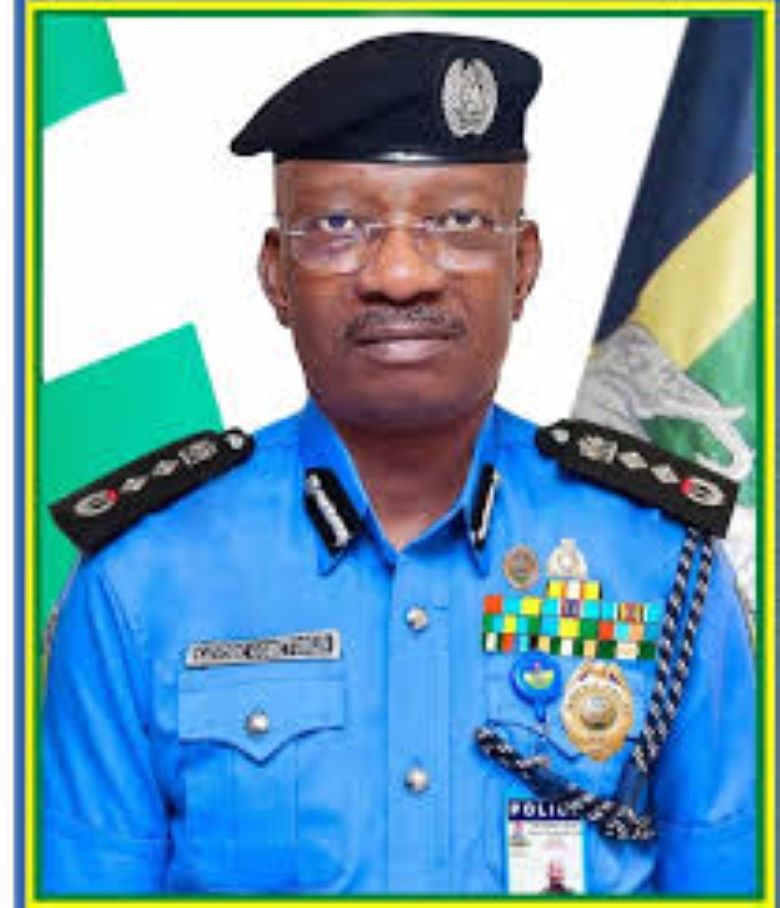
The Nigeria Police Force, for decades, has been at the receiving end of criticism, some valid, others born out of ignorance and mistrust built on years of mismanagement and neglect. However, under the leadership of Inspector-General of Police Kayode Adeolu Egbetokun, a silent but firm revolution is taking place, one anchored on merit, professionalism, and the restoration of institutional pride.
Since assuming office, IGP Egbetokun has made it clear that his mission is not merely to fill a seat but to restore the dignity and operational capacity of the Force. His reform agenda is deeply rooted in building a police force that commands public respect and confidence, one that is responsive, responsible, and reflective of modern policing standards.
Meritocracy: A Break from the Past
One of the clearest indications of Egbetokun’s commitment to reform lies in the recent wave of promotions within the Force. Unlike in the past, where allegations of favouritism, godfatherism, and quota politics often trailed promotions, the current administration has emphasised a return to merit-based advancement.
The latest round of promotions approved by the Police Service Commission (PSC) and the planned decoration of these officers by the IGP himself sends a clear message: hard work, dedication, and integrity will be rewarded. This is not just a motivational tool; it is a structural reset. It tells every officer, from constable to commissioner, that excellence is no longer negotiable or optional; it is the pathway to progress.
Professionalism: Policing with Purpose
Egbetokun understands that policing in the 21st century cannot be carried out with 20th-century tools, training, or mindsets. Under his leadership, there has been a renewed focus on training, retraining, and the professional development of officers at all levels. Whether through enhanced tactical training, technology-driven crime-fighting tools, or strategic collaborations with both local and international partners, the IGP is building a smarter police force, not just stronger.
Moreover, his insistence on community-based policing, intelligence-led operations, and respect for human rights demonstrates a holistic understanding of modern security management. Professionalism, for Egbetokun, is not just about appearance or protocol; it is about competence, conduct, and consequence.
Institutional Pride: Restoring the Soul of the Force
Perhaps the most overlooked but most important part of the IGP’s reform agenda is the restoration of institutional pride. For too long, many officers have worn their uniforms with disillusionment, feeling like mere tools in a broken system. Egbetokun is changing that narrative.
By recognising excellence, reviving internal discipline, promoting decorum in public engagement, and improving welfare, including housing, insurance, and healthcare, the IGP is reigniting the spirit of service within the rank and file. Officers are beginning to feel valued, and in turn, they are more willing to give their best to the nation.
The police force is the mirror of a country’s internal order. When it is broken, the reflection is chaos. But when it is polished and upright, it becomes a tool of peace, progress, and protection.
A Cautious Optimism
Of course, challenges remain. No reform is perfect, and no system changes overnight. The Nigeria Police Force still battles issues of logistics, public trust, and legacy inefficiencies. But under IGP Egbetokun, there is a rare glimpse of what is possible when leadership is guided by vision, courage, and a sense of duty.
The road ahead is long, but with a reform agenda anchored on merit, professionalism, and pride, the Nigeria Police Force may finally be on the path to becoming the people-centred, dependable institution it was always meant to be.
The least we can do, as citizens, stakeholders, and commentators, is to support this transformation and hold the system accountable, not with cynicism, but with constructive engagement.
Adewole Kehinde is a public affairs analyst, journalist, and security commentator. 08166240846. kennyadewole@gmail.com @kennyadewole