Africa
Insecurity in Nigeria: Causes, Consequences, and Pathways to Sustainable Peace -By Garba idi Garba
Citizens, too, have a role to play in addressing insecurity. People must be vigilant and report suspicious activities to the authorities. Religious and community leaders should promote peace, tolerance, and understanding among their followers. Civil society organizations can help bridge the gap between the government and the people by promoting dialogue and human rights. Every Nigerian must recognize that national security is a shared responsibility that requires unity and cooperation.

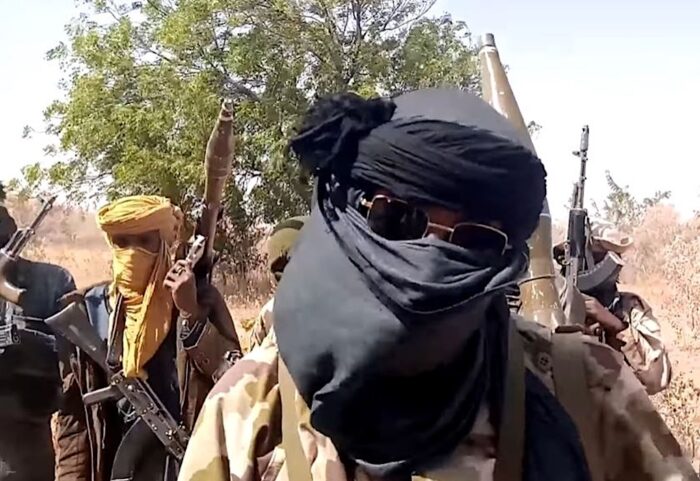
Insecurity has become one of the greatest challenges confronting Nigeria in the 21st century. From insurgency in the North-East to banditry in the North-West, kidnapping in the South, and communal clashes across the Middle Belt, the issue of insecurity has deeply affected every aspect of national life. The fear and instability caused by these crises have not only led to immense loss of lives and property but have also hindered economic growth, disrupted education, and eroded public confidence in the government’s ability to protect its citizens.
Nigeria’s insecurity did not arise suddenly; it has deep historical roots. Since independence, the nation has struggled with political instability, ethnic rivalry, and social inequality. The civil war of the late 1960s, the numerous military coups, and years of poor governance created an environment where corruption and impunity flourished. These historical weaknesses weakened national institutions and created a fragile state where violence could easily take root. Over time, the lack of trust between citizens and the government has made collective security efforts increasingly difficult to achieve.
One of the most visible forms of insecurity in Nigeria is terrorism, particularly with the rise of Boko Haram. What began as a radical religious movement opposing Western education evolved into a violent insurgency that has claimed thousands of lives and displaced millions in the North-East. Despite several military operations and government initiatives, the group and its splinter factions, such as the Islamic State West Africa Province (ISWAP), continue to pose serious threats to national and regional stability. Their attacks on schools, markets, and villages have left a trail of destruction and trauma that will take years to heal.
In addition to terrorism, banditry and kidnapping for ransom have become widespread across many parts of the country. Armed groups frequently ambush highways, raid rural communities, and abduct people for ransom, often targeting schoolchildren and travelers. The inability of the government to curb these crimes has emboldened the perpetrators and left citizens feeling helpless. Many villages have been abandoned, farmlands deserted, and thousands of families torn apart by fear and loss. Kidnapping has now become a lucrative criminal business, undermining the rule of law and weakening national morale.
The recurring farmer–herder conflict has also contributed significantly to Nigeria’s insecurity. As climate change and desertification push herders southward in search of grazing land, competition over resources with farmers has intensified, leading to violent clashes. The Middle Belt region has become a hotspot for such conflicts, where disputes over land and water frequently escalate into deadly confrontations. These conflicts have disrupted agricultural production and displaced countless families, deepening food insecurity and poverty in affected areas.
At the heart of Nigeria’s insecurity crisis lies the problem of corruption and weak institutions. Funds meant for defense and security are often mismanaged or diverted, leaving security agencies poorly equipped and demoralized. Political patronage and lack of accountability further undermine the effectiveness of law enforcement agencies. When leaders fail to use public resources responsibly, it becomes impossible to build a strong and reliable security system. Corruption has not only weakened national security but has also destroyed public trust in government institutions.
Economic inequality and unemployment have also fueled insecurity in Nigeria. With millions of young people unemployed and struggling to survive, many turn to crime or allow themselves to be recruited by insurgent and criminal groups. The frustration of living in poverty while political elites enjoy luxury has deepened resentment and social tension. In the absence of meaningful opportunities and social support, crime becomes an alternative means of survival for many young Nigerians. This situation highlights the link between economic hardship and insecurity.
Ethno-religious divisions further complicate the insecurity problem. Nigeria’s diversity, though a potential source of strength, has often been manipulated by politicians for selfish gain. Ethnic and religious conflicts have repeatedly erupted in parts of the country, destroying lives and property. Such divisions make it difficult for Nigerians to unite against common threats, as mistrust and prejudice continue to undermine national unity. Until these divisions are addressed through dialogue, justice, and inclusiveness, peace will remain out of reach.
The rise of technology has also brought about new forms of insecurity in the country. Cybercrime, internet fraud, and identity theft have become common, especially among young people seeking quick wealth. These crimes not only harm individuals and businesses but also tarnish Nigeria’s global image. Addressing cyber insecurity requires a combination of law enforcement, digital literacy, and youth empowerment programs to channel the potential of technology into positive innovation.
The consequences of insecurity are devastating for both individuals and the nation. Thousands of people have been killed or displaced, with many forced to live in internally displaced persons (IDP) camps under harsh conditions. The economy has suffered greatly as businesses close down, foreign investors withdraw, and agricultural production declines. Schools have been shut down in conflict-prone areas, denying millions of children access to education. The ripple effects of insecurity have left the nation poorer, weaker, and less united.
To address these challenges, Nigeria must adopt a comprehensive approach that goes beyond military action. Security agencies must be adequately funded, trained, and equipped to respond effectively to threats. However, force alone cannot solve the problem. The government must tackle the root causes by creating jobs, reducing poverty, and improving access to education and healthcare. Community policing, intelligence sharing, and regional cooperation are also vital for maintaining lasting peace. Strong anti-corruption measures must be enforced to ensure that security resources are properly utilized.
Citizens, too, have a role to play in addressing insecurity. People must be vigilant and report suspicious activities to the authorities. Religious and community leaders should promote peace, tolerance, and understanding among their followers. Civil society organizations can help bridge the gap between the government and the people by promoting dialogue and human rights. Every Nigerian must recognize that national security is a shared responsibility that requires unity and cooperation.
In conclusion, insecurity remains one of the most complex and urgent issues in Nigeria today. It threatens the country’s development, democracy, and future. However, with sincere political will, responsible leadership, and collective action, Nigeria can overcome these challenges. The road to peace requires not only strong security forces but also justice, economic opportunity, and national unity. A secure Nigeria is possible if all citizens and leaders commit to building a society founded on peace, fairness, and mutual respect.
Garba idi Garba student of mass communication Kashim Ibrahim University, Maiduguri