National Issues
Insecurity In Nigeria: Who Is Fooling Who? -By Ajiboye Amos Olakunle
They see the hypocrisy of negotiating with bandits while jailing agitators. They notice that insecurity spreads while officials make excuses. They bury their loved ones and question why soldiers are left outgunned. They ask why foreign help is rejected, why security votes vanish, and why the killings never end.
The title asks, ‘Who is fooling who?’ The truth is bitter: government may think it is fooling the people, but it is only fooling itself. Nigerians are not blind. They are not deceived. They are simply failed.

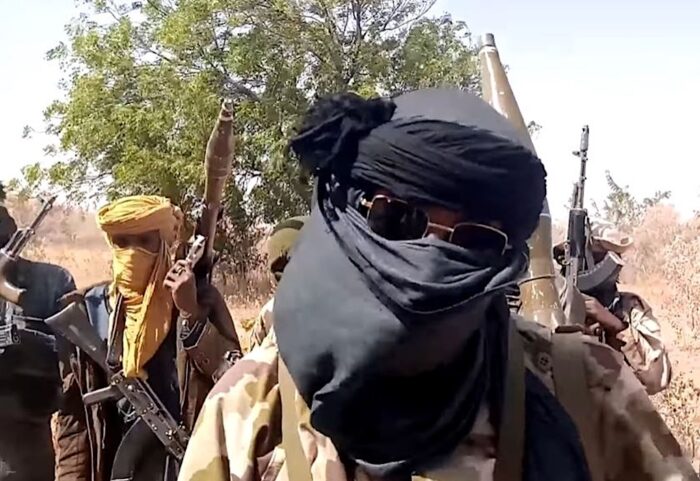
Every day in Nigeria feels like living inside a tragic film. One scene shows families escaping from burning homes as bandits storm their communities. Mothers clutch their children, fathers are cut down, and survivors are forced to scrape together ransoms just to see their loved ones again. Then, in another scene, government officials, sometimes flanked by clerics, sit across from these same killers at ‘peace talks,’ shaking hands as though murderers have suddenly become partners in governance.
At the same time, in a maximum-security prison in Abuja, Nnamdi Kanu, the leader of IPOB, remains locked away. His crime, according to the state, is treason and terrorism his weapon, words. The contrast is jarring: a man who spoke of separation is treated as too dangerous to be heard, while men who spray bullets in broad daylight are treated as equals at negotiation tables.
And so the question on every Nigerian’s lips is simple: who exactly is fooling who?
The Dance With Terror
In states like Zamfara, Katsina, and Kaduna, whole villages are under the control of men with guns. They dictate who lives, who farms, who marries, who pays, and who is kidnapped. Yet, government after government has chosen the same playbook: strike a deal, hand over money, promise amnesty, and call it peace.
But Nigerians know better. These so-called peace deals are nothing more than intermissions. The guns go silent for a while, only to roar back louder. Bandits regroup, rearm, and return with more firepower. Far from solving the problem, negotiations have become fuel for the violence.
And it is spreading. Plateau has seen massacres so gruesome they defy imagination. Kwara, once considered safe, recently fell victim to coordinated attacks homes raided, people killed, a bride kidnapped. If Kwara is no longer safe, then where in Nigeria can ordinary people sleep with both eyes closed?
Two Crimes, Two Realities
The hypocrisy is bitter. Nnamdi Kanu, whose weapon is a microphone, is branded a terrorist and denied bail again and again. Yet men with AK-47s who kill hundreds are granted sit-downs, photo ops, and, allegedly, cash.
What message does this send to the people? That the Nigerian state fears a man with a microphone more than a man with a machine gun. That the real crime is not mass murder but challenging the state’s authority. To the people who bury their loved ones daily, this is not justice. It is betrayal.
Soldiers Without Tools
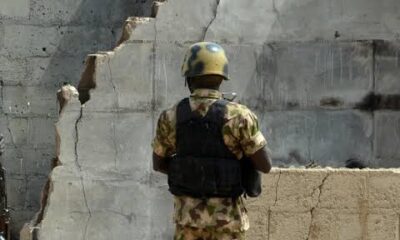
And what about the men and women in uniform? The ordinary Nigerian soldier is brave, but bravery cannot stop bullets when you are outgunned. Many soldiers complain of outdated weapons, poor intelligence, and low morale. Meanwhile, the bandits boast drones, motorcycles, and modern weapons.
It is not the fault of the rank and file, it is a system rotten from the top. Corruption scandals in defense procurement are everywhere, while soldiers on the frontlines are left to fight empty-handed. Nigerians ask: how can our military shine in foreign peacekeeping missions but stumble on home soil? The answer lies in leadership, not in the soldiers themselves.
Why Not Ask for Help?
If our forces are overwhelmed, why not ask for foreign help? Many nations have done so without losing their sovereignty. Instead, Nigeria resists. The official excuse is national pride, but the people suspect otherwise.
Insecurity is a goldmine for some. Billions in ‘security votes’ vanish without trace. Defense contracts enrich a few, while the war drags on endlessly. Chaos has become an industry, and calling in transparent foreign partners would end the gravy train.
Nigerians Are Not Fools
Through it all, one thing is clear: Nigerians are not fools. They see the hypocrisy of negotiating with bandits while jailing agitators. They notice that insecurity spreads while officials make excuses. They bury their loved ones and question why soldiers are left outgunned. They ask why foreign help is rejected, why security votes vanish, and why the killings never end.
The title asks, ‘Who is fooling who?’ The truth is bitter: government may think it is fooling the people, but it is only fooling itself. Nigerians are not blind. They are not deceived. They are simply failed.
Until those in power drop the pretense and confront insecurity with honesty, urgency, and genuine commitment, the tragedy will continue. And the only fools will be those who believe a nation can survive while its citizens die unanswered.