Africa
Iran Massacre 2026: Why Europe and the World Cannot Look Away -By Thomas Joseph
History does not remember bystanders kindly. Rwanda taught us what the world pays when it watches and waits. Bosnia taught us. Darfur taught us. Iran is teaching us again and the lesson this time must be different. The world has both the responsibility and the tools to protect the Iranian people. What it requires now is the will to use them.

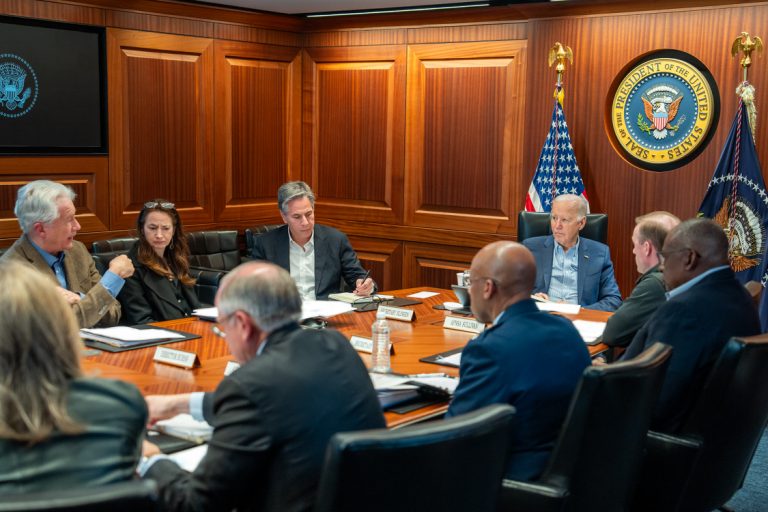
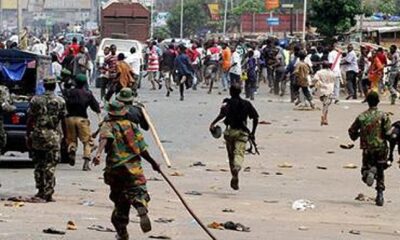
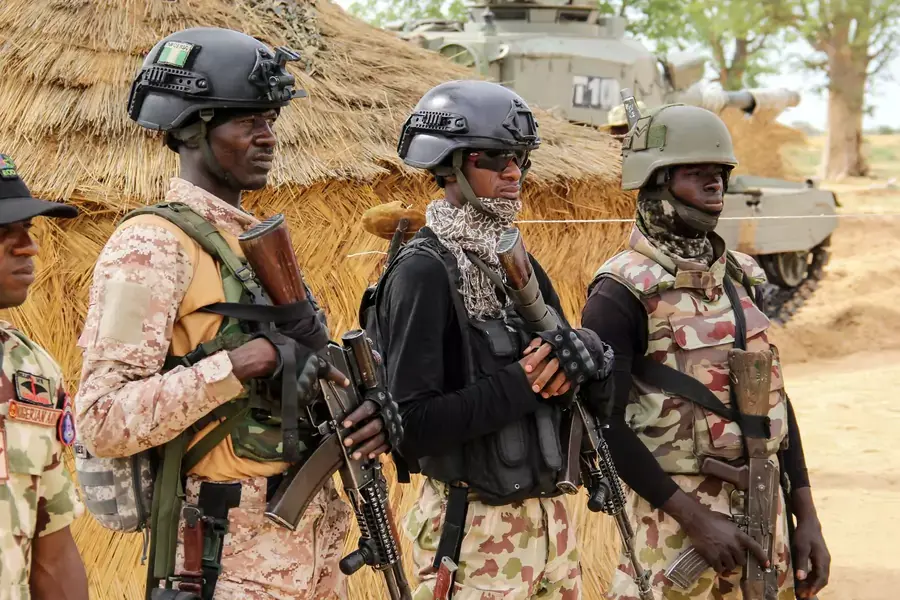
In the first days of January 2026, while much of the world was still nursing the warmth of the New Year, the Iranian government opened fire on its own citizens. Not in skirmishes. Not in targeted operations. In massacres. In cities like Rasht, Fardis, Kuhdasht and dozens of others, security forces deployed automatic weapons against crowds of protesters – ordinary men, women and children who had taken to the streets over a collapsing economy, crushing inflation and decades of suffocating repression. The internet was cut. Phone lines were severed. And then the killing began in earnest.
The numbers, even at their most conservative, are staggering. Estimates from multiple credible sources, including Human Rights Watch, Iran International and internal Islamic Republic documents, put the death toll from January 8 and 9 alone at anywhere between 12,000 and 36,500. Families were forced to pay for the bullets used to kill their loved ones before they could collect the bodies. Wounded protesters were reportedly shot in the head while lying in hospital beds. The internet blackout was not a byproduct of chaos; it was a deliberate calculated act to kill in darkness, beyond the reach of the world’s conscience.
This is not a regional matter. It is a crime against humanity. The rest of the world including Nigeria and Europe must say so, loudly and act accordingly.
Nigerians know what it means to watch a government turn weapons meant to protect citizens against them. We carry the memory of Lekki. We know how quickly “security operations” become a cover for slaughter and how swiftly the international community can look away when the victims are brown and poor and far from the cameras of the powerful. That shared wound gives us both the empathy and the moral authority to speak clearly about Iran: what is happening there is a massacre and silence from the global south serves as permission.
Nigeria is a signatory to the United Nations Charter and to the African Charter on Human and Peoples’ Rights. These are not merely ceremonial commitments. They bind us to the principle that sovereignty is not a shield behind which governments may slaughter citizens without consequence. The African Union, for all its institutional caution, has invoked the Responsibility to Protect in the past. Nigeria, as the continent’s most populous nation and a rotating voice in international forums, must press for Iran to face an emergency session of the UN Human Rights Council. Our diplomats should be on the phones. Our foreign minister should be at the podium.
Europe, for its part, has the leverage and the obligation to do more than issue carefully worded statements of “deep concern”. The European Union maintains trade relationships, diplomatic ties and financial instruments that can be directed toward accountability. Individual European governments should immediately invoke universal jurisdiction principles to begin building legal cases against Iranian officials responsible for ordering the massacres. Germany and France have used such mechanisms before. The evidence: leaked IRGC documents, verified videos, witness testimony etc already exists in abundance. The question is whether the political will to act matches the moral clarity of the moment.
The UN Security Council must convene urgently. Yes, Russia and China will likely obstruct – they always do when accountability threatens the model of governance they themselves practice. But the General Assembly has passed emergency resolutions before. The Human Rights Council has established fact-finding missions before. The International Criminal Court, with sufficient state referrals, has jurisdiction. These tools exist. What is missing is collective courage.
The Iranian people – Lur, Kurd, Persian, Arab and every ethnicity represented in those streets, did not ask to die. They asked for bread, for dignity, for a government that does not treat them as enemies to be exterminated. Their names are being counted, body by body, despite every effort by Tehran to bury them in silence.
History does not remember bystanders kindly. Rwanda taught us what the world pays when it watches and waits. Bosnia taught us. Darfur taught us. Iran is teaching us again and the lesson this time must be different. The world has both the responsibility and the tools to protect the Iranian people. What it requires now is the will to use them.
Thomas Joseph is a freelance writer, he writes on human rights and international affairs.