Politics
Ken Paxton and the Price of Political Survival -By Fransiscus Nanga Roka
Should America say yes, then the mask will no longer have to be worn on corruption. A small number of donors, lawyers and party-line votes will be all it needs.

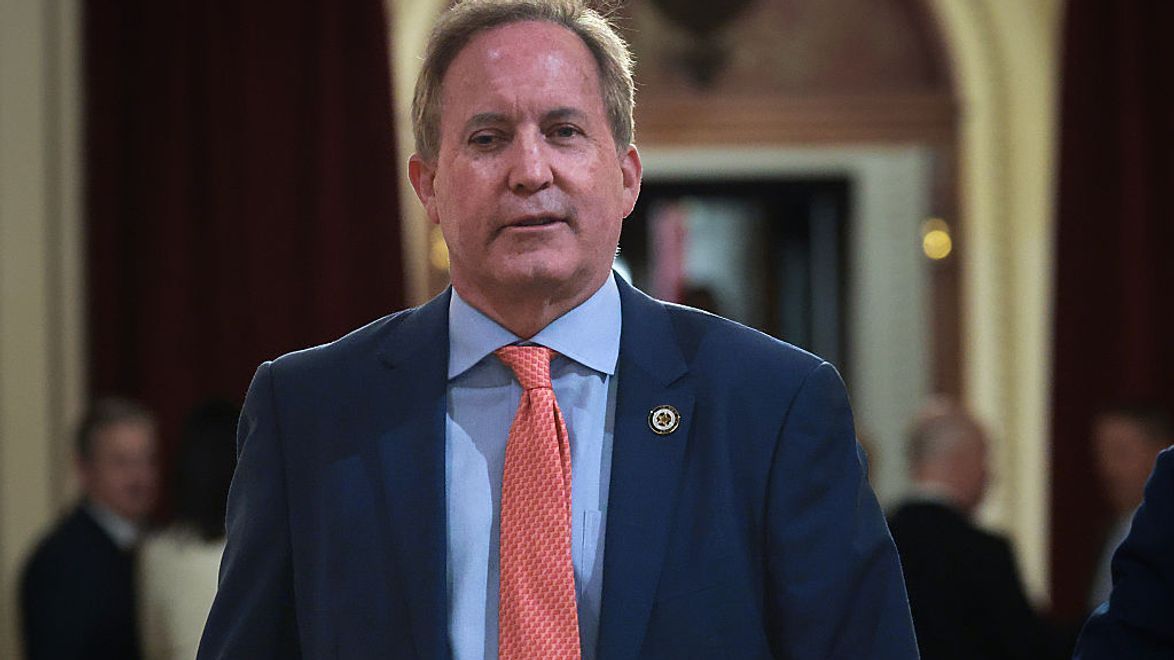
It brings a brutal question for American democracy: How many allegations, how many institutional alarms, how many conflicts of interest can a politician endure before accountability looks like theatre?
The who is a Republican attorney general from Texas and a likely US Senate nominee in 2026. What is not there is a proven corruption conviction, but rather however a chilling accumulation of allegations, donor relationships and accountability entwined processes gone awry. The when is over a decade long. Texas is where, but the answer will echo in Washington because now Paxton has federal ambitions.
The heart of the scandal began in 2020 when senior Paxton staffers reported him to law enforcement. The agency alleged that he abused his official position to help Austin real-estate investor and campaign donor Nate Paul. In cases with an impact on Paul, former aides said Paxton intervened, improperly sought information and retaliated against employees who pushed back.
Paxton denied wrongdoing.
The Republican led Texas House approved 20 specific articles of impeachment in 2023, accusing him of abuse of public trust and misuse of public resources, as well as bribery and retaliation against whistleblowers. The proceedings followed Paxton’s request that lawmakers use tax dollars to pay for a $3.3 million settlement with former employees . (73rd Day)
The Texas Senate then acquitted him on all 16 articles that were brought to trial, with the remaining four being voided. Impeachment is legally final at acquittal, but that does not mean each allegation supporting it has become fiction. And so, it demonstrates that the requisite votes to remove him constitutionally were not only had, but (not surprisingly) it is not synonymous with acceptable ethical conduct.
Paxton is also facing a separate prosecution for securities fraud that did not result in criminal conviction. He paid almost $300,000 in restitution under a 2024 agreement that involved no admission of wrongdoing and an action in which he performed community service and studied law-ethics education. He later met the conditions for having the charges dismissed. The indictment would thus be false to currently call him “indicted.”
Why does the controversy persist? Money.
News organizations have examined federal filings and allege that Paxton’s political operation received at least $448,000 from data-center executives and political committees through June 2026. It came as Texans were calling for clarification on whether local governments could ban massive data centers with heavy land, water and electricity uses—and when Paxton’s office had still not delivered the legal advice sought.
The timing is not, however, evidence of bribery. The real scandal, however, is that American campaign-finance law routinely transforms ethically radioactive relationships into legal transactions. In a landscape where friendly super PACs, joint fundraising committees and donor networks can legally fund his political sustenance, no politician has to be proffered cash in an envelope.
Paxton has secured a spot on End Citizens United’s first 2026 “Most Corrupt Politicians” list based on his scandals and financial ties. And that is advocacy, not adjudication. But brushing it off as mere partisan politics does not erase an institutional record: whistleblowers raised the alarm; House impeached; Senate acquitted; federal prosecutors largely stepped back from action; securities case resolved conditionally with no trial.
Its solution is not another, abandon the swamp slogan. Texas needs to be on the alert for immediate disclosure of contributions from industries that are under consideration for attorney-general opinions or investigations. State officials should refrain from executive decisions if major donors are directly financially benefitted. An independent counsel not a political appointed should investigate a statewide officer who has either committed misconduct or is accused of doing so.
Congress has to demand super PACs and nonprofit pass-through entities identify their first donors, ban coordination disguised via consultants, and create meaningful penalties for reporting misstatements. Taxpayers should not have to foot the bill for a settlement involving government officials before it has been independently reviewed in court.
Paxton dodges removal and conviction. And this time it will be up to the voters to decide if its survival in legal terms is worth integrity on public matters.
Should America say yes, then the mask will no longer have to be worn on corruption. A small number of donors, lawyers and party-line votes will be all it needs.
Fransiscus Nanga Roka
Faculty of Law University 17 August 1945 Surabaya and Managing Partner Law Firm Victorious Indonesia