Africa
Mandatory Psychological Testing and Therapy for Expelled UNIZIK Student Before Readmission Elsewhere -By John Egbeazien Oshodi
This case must not be ignored or downplayed. A student who lies, attacks, and manipulates without remorse is not just a disciplinary concern but a serious psychological and social threat. Without intervention, such individuals escalate over time, causing greater harm to others—and, eventually, to themselves. If educational institutions continue to expel students without structured intervention, they are simply transferring the problem elsewhere, creating a dangerous cycle that will continue to harm individuals and academic communities alike.


The recent violent altercation at Nnamdi Azikiwe University (UNIZIK), where Goddy-Mbakwe Chimamaka Precious physically assaulted Dr. Chukwudi Okoye, is not just an isolated disciplinary issue—it is a deep psychological and behavioral crisis that raises serious red flags about student mental health, impulse control, aggression, and deception. This is not an issue of mere student misconduct; rather, it exposes a dangerous trend in Nigerian academic institutions, where unchecked aggression, false accusations, and violent behavior threaten the integrity and safety of learning environments.
The video evidence and eyewitness reports clearly contradict her fabricated claim that the lecturer had hit her. Instead of simply acknowledging the lecturer’s gentle tap and polite request, she immediately escalated the situation into a lie, portraying herself as the victim while launching a vicious, uncontrolled physical attack. She tore his clothes, slapped him, scratched his face, and bit him multiple times on the arms, leaving deep bite marks that serve as undeniable proof of her extreme aggression and loss of control. This level of uncontrolled behavior demonstrates a severe breakdown in discipline, impulse control, and moral reasoning, which is symptomatic of larger issues within Nigeria’s educational system and society at large.
Beyond the immediate violence and dishonesty, this case demands a deeper psychological analysis of her mental state and emotional well-being. While her actions reflect unchecked aggression, there is an equally pressing concern—how she will psychologically process her sudden downfall, public disgrace, and expulsion. Individuals who display extreme impulsivity and aggression often struggle with self-harm, suicidal tendencies, or destructive retaliation when faced with major consequences.
The Nigerian Educational System and the Crisis of Student Behavior
Nigeria’s educational institutions are currently facing a serious behavioral crisis, where students increasingly display recklessness, hostility, and disrespect for authority. Many Nigerian students have grown up in environments where entitlement, defiance, and a lack of discipline have been normalized, leading to dangerous situations such as this one. Instead of embracing responsibility and personal growth, some students have resorted to blaming authority figures for their failures, exhibiting violent outbursts, and manipulating situations to their advantage through deceit and aggression.
There is an urgent need for educational reform that includes strict behavioral standards, psychological interventions, and disciplinary measures that go beyond mere expulsion. A case like this serves as a warning: if left unchecked, this culture of dishonesty and aggression will continue to degrade the Nigerian academic system, turning universities into battlefields of entitlement, violence, and false accusations.
A Premeditated Act of Dishonesty and Violence: The Case for Criminal Charges
In any democratic society, such a premeditated act of dishonesty and violence would not only result in expulsion but also criminal charges. Given the severity of her false accusations, assault, and public disorder, she would likely face arrest, prosecution, and possible incarceration under standard legal proceedings. Her manipulative lying, violent outburst, and complete disregard for authority demonstrate deep-seated behavioral issues that must be addressed through psychological intervention. An individual capable of fabricating a serious allegation against a lecturer, initiating a physical attack, and showing no remorse for such actions poses a long-term risk to any academic or professional environment.
If she had succeeded in her false claims, the lecturer could have faced severe reputational damage, legal troubles, or even job termination. False allegations of violence carry dangerous implications, particularly in an era where accusations of misconduct can permanently ruin lives and careers. This level of deliberate deceit and aggression signals a highly unstable personality that must be examined professionally before she is ever allowed back into an academic environment. Nigerian universities must begin to take a firm stance against this kind of behavior to prevent further instances of students exploiting victimhood to justify violence and disorder.
The Psychological Risks of a Sudden and Shameful Downfall
For someone who displayed such extreme aggression and fabricated lies to justify her actions, the sudden reality of expulsion and social disgrace will likely trigger a severe emotional breakdown. The humiliation of being widely exposed on social media, publicly expelled, and rejected by an academic institution can be overwhelming, particularly for someone who has poor emotional regulation and difficulty coping with consequences.
Studies in forensic and behavioral psychology show that individuals who react to frustration with explosive aggression and violence often experience deep emotional turmoil when they face consequences they did not anticipate. This can manifest in severe anger, destructive tendencies, self-harm, or even suicidal ideation. A person who is capable of such extreme violence against another individual may also be at risk of turning that same violence inward when faced with overwhelming shame and failure.
Another significant aspect of this situation is the family shame and psychological toll it imposes, particularly given reports that one of Precious’s parents is a lecturer. This not only deepens the emotional weight of the incident but also amplifies the professional and social repercussions the parent may endure. For an academician, having a child publicly expelled for violent misconduct and dishonesty is a profound disgrace that could tarnish their professional standing and credibility. The stigma associated with such an incident can trigger intense emotional distress, anxiety, and even depression, especially in a tightly knit academic community where reputation is paramount. Beyond personal shame, the parent may encounter judgment from colleagues, professional scrutiny, and diminished respect within their institution. Additionally, the family itself may experience internal strain, as the fallout from this incident could lead to strained relationships, feelings of failure, and immense pressure to restore their public image. Given these complex emotional and social challenges, it would be beneficial for the affected parent to receive structured psychological support, including coping strategies and counseling, to navigate the distress and potential fallout of this crisis.
The Urgent Need for Psychological Intervention
For these reasons, I strongly advocate for mandatory psychological evaluation and therapy before Precious is considered for re-admission into any university. This is not just about discipline—it is about crisis intervention, ensuring both her safety and the safety of others in any academic institution she may enter in the future.
Nigeria must recognize that violence and dishonesty in academia are not just disciplinary matters—they are mental health and social issues that require comprehensive intervention. If universities do not begin to mandate psychological evaluations for students who exhibit extreme aggression and dishonesty, we will continue to see a rise in similar cases, where students engage in reckless violence, false accusations, and destructive behavior, knowing that the worst consequence they will face is expulsion.
The UNIZIK incident is a glaring wake-up call for educational institutions to recognize the psychological dangers of extreme aggression, dishonesty, and unchecked behavioral disorders in students. Universities must act now to introduce mandatory psychological evaluation and therapy for expelled students before considering their re-admission anywhere. Failure to address such behavioral disorders will only perpetuate a cycle of dishonesty, aggression, and institutional breakdown.
This case must not be ignored or downplayed. A student who lies, attacks, and manipulates without remorse is not just a disciplinary concern but a serious psychological and social threat. Without intervention, such individuals escalate over time, causing greater harm to others—and, eventually, to themselves. If educational institutions continue to expel students without structured intervention, they are simply transferring the problem elsewhere, creating a dangerous cycle that will continue to harm individuals and academic communities alike.
Nigeria must make it a national priority to introduce psychological assessments for students involved in violent incidents, train university officials in behavioral intervention, and reinforce policies that protect the integrity of academic environments. If we do not take these steps now, we are not just failing this student—we are failing the future of our education system and our society as a whole.
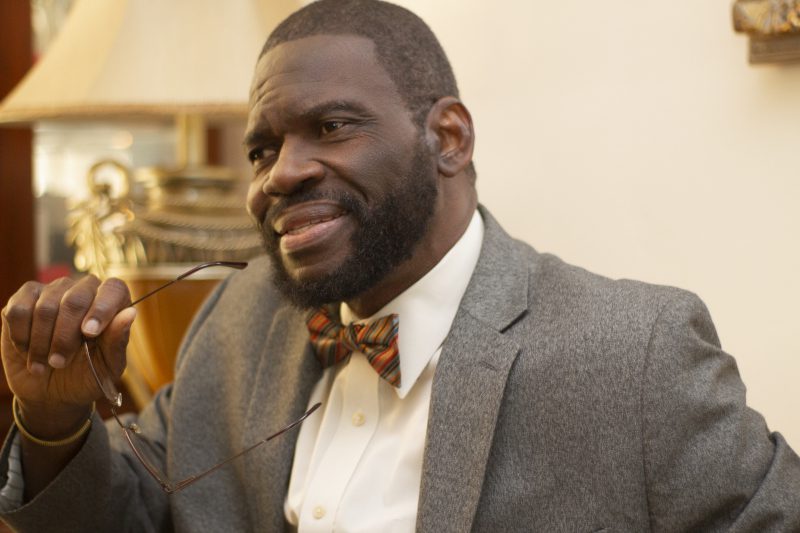
John Egbeazien Oshodi
Oshodi Open Door, also known as Oshodi Open Door Public Training (OOPDT, pronounced opidt), is a public awareness initiative promoting transparency, accountability, and integrity in Africa through educational articles and resources at jos5930458@aol.com, and offers specialized Timely Response Solutions (TRS) training at minimal or no cost.
John Egbeazien Oshodi is an American psychologist, educator, and author. Born in Uromi, Edo State, Nigeria, he is the son of a 37-year veteran of the Nigeria Police Force. Professor Oshodi is an expert in cross-cultural psychology, forensic/clinical psychology, police and prison science, and social justice.
He has made significant contributions to forensic psychology, introducing it to Nigeria in 2011 through the National Universities Commission (NUC) and Nasarawa State University. Professor Oshodi has taught at several institutions, including Florida Memorial University, Florida International University, and Nova Southeastern University.
Currently, he serves as a government consultant for forensic-clinical psychological services in the USA and practices as a clinical and forensic psychologist. He also holds virtual faculty roles at Walden University and other institutions. Professor Oshodi has authored numerous publications and founded the Psychoafricalysis theory in psychology.