Breaking News
NESG: Middle East Conflict Could Boost Nigeria’s Oil Revenue by ₦30 Trillion
The Nigerian Economic Summit Group says global oil price surges from the US-Iran-Israel conflict could deliver a ₦30 trillion windfall, strengthen the naira, and increase foreign reserves.


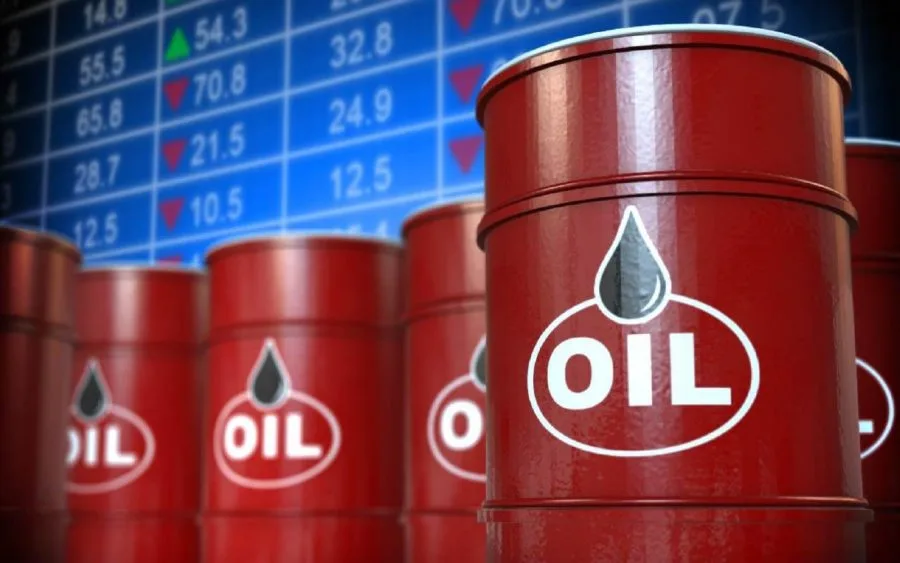
Nigeria could potentially earn ₦30 trillion in extra oil revenue if crude prices remain elevated due to the ongoing Middle East crisis, the Nigerian Economic Summit Group (NESG) has projected.
In a policy brief titled “Boom, Not Gloom,” NESG highlighted that the recent conflict involving the United States, Israel, and Iran has caused a sharp spike in global crude oil prices, presenting a major opportunity for oil-exporting nations like Nigeria.
The report noted that under a scenario where oil averages $130 per barrel over six months, Nigeria could see a fiscal windfall of up to ₦30 trillion above the 2026 budget. Such a boost could strengthen the country’s fiscal position, fund public investment projects, and reduce national debt if managed properly.
Higher oil earnings could also increase foreign exchange inflows, potentially raising Nigeria’s reserves to around $57 billion and supporting the naira by increasing dollar liquidity.
However, the NESG warned that structural challenges — including production below the 1.84 million barrels per day benchmark, crude theft, and infrastructure constraints — could limit the windfall. It also cautioned that surging global energy prices might push domestic fuel and transport costs higher, adding inflationary pressures in the short term.
To fully capitalise on the opportunity, the group recommended that the Federal Government save revenues above the budget benchmark in stabilisation and sovereign wealth funds, and use part of the windfall to reduce Nigeria’s public debt. It also urged policymakers not to reverse the removal of petrol subsidies, noting that subsidies would erode the gains from higher oil prices.
“Nigeria now has a rare opportunity to convert a global energy shock into stronger macroeconomic stability, provided policymakers maintain fiscal discipline and sustain ongoing economic reforms,” the NESG concluded.
Africans Angle News