Global Issues
Reconciliation Without Equality: Indigenous Peoples and the Limits of Canada’s Human Rights Commitments -By Fransiscus Nanga Roka
They point to financial initiatives, legal reforms, and public commitments to enact the UN Declaration on the Rights of Indigenous Peoples. These initiatives should not be condemned out of hand. But a success that consits merely of policy pronouncements is a white elephant in its own right so long as Indigenous communities continue to face inequality in their every day existence. Reconciliation is not yet another promise to be measured just by good intentions; it is to be realized the results it achieves.

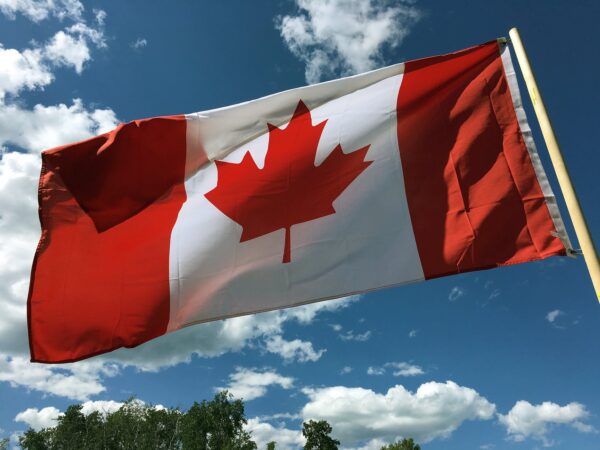
It presents itself as a global champion of human rights that speaks loudly about equality, dignity and rule of law in the world. For its part, Canada prefers to settle accounts with First Nations as proof of having made moral progress and democratic progress. Official apologies have been made, commissions heard, governments undertook to make restitution for centuries of colonial policy. Yet to many Aboriginal communities, reconciliation is still just a word in political speeches rather than something experienced daily life. When equality is missing, reconciliation is at risk of becoming a performance one that soothes the majority while leaving structural injustice intact.
The sources of the difficulty are historical. Yet the consequences of that history are everywhere. Canada’s colonial project displaced indigenous nations from their lands, brushed aside their cultures and constructed legal frameworks that shepherded rather than sheltered. Not just happenstance but intentionality lay behind the removal of children from their parents, residential schools, and forced assimilation. These were implemented policies of the state.”Culture genocide,” the Truth and Reconciliation Commission called them a term which ought movingly to have changed the basis on which Canada relates to Indigenous Peoples. Yet change has been slow, piecemeal, and often only cosmetic.
Today, a yawning gulf between rhetoric and real life is evident in just about any way one chooses to take a measure of social and legal eqality. Indigenous people are grossly over represented in jails; their protection from police seems anything but guaranteed; everything bad affects them more than it does the typical person, they are in particular suffering from unemployment, poor housing and general want of facilities when it comes to health care. These are not individual failings. They are perfectly predictable consequences of a system that has never fundamentally been about equality.
Another example of how serious things have gotten is the continued development of violence against Indigenous females. The scope and pattern of this violence have been ruled by the National Inquiry on Missing and Murdered Indigenous Women its own particular form genocide carried forward based systemic neglct sue and discrimination. However despite this finding, families continue to describe drawn out investigations without real results, mechanisms that are not accountable for their actions, and the general sense of injustice in which Indigenous lives count for less than ordinary citizen’s. If your social standing determines the justice you receive, then it is dishonest to claim that justice one equal before the law!The issue of territorial rights also shows that Canada’s human rights record remains unresolved. Provincial governments speak of fairness and consultation, but Indian band after finds that it must mount court battles when natural resources are set to be developed. The lands were never surrended freely to begin with. Are development projects continuing to go forward over disagreement on consent for them? A more basic question arises from this fact: Can there ever be true reconciliation if economic power slighty weight overpower and strength of numbers outweigh agricultural independence in practice? The contradictions are even more stark in their international context. On the world stage Canada signs declarations upholding Indigenous rights, drives for equality, and entreats other nations to confront their own histories of discrimination. But this leadership abroad requires a degree of respectability at home. A nation cannot logically defend human rights around the world, yet be unable even to make sure of this for its own Aboriginal people at home. Powerful proponents of the current course of action stress that development takes time. They point to financial initiatives, legal reforms, and public commitments to enact the UN Declaration on the Rights of Indigenous Peoples. These initiatives should not be condemned out of hand. But a success that consits merely of policy pronouncements is a white elephant in its own right so long as Indigenous communities continue to face inequality in their every day existence. Reconciliation is not yet another promise to be measured just by good intentions; it is to be realized the results it achieves.
The structural error is more fundamental. Most legal and political orders in this country have been created by people who saw themselves invested with colonial powers. When those orders nowadays attempt to put to rights what they sinned in the past, they do so from a startingpoint which leaves ultimate control still in the hands of White people As long as Native rights are seen strictly in line with existing power arrangements, so reconciliation will remain limited. It needs more than the mere acknowledgment of wrongs. It takes a real redistribution of power. It means giving proper recognition to Indigenous forms of self governance. Above all, it involves this country’s White inhabitants facing up to some sore truths about their background. It offers no easy path, but without it reconciliation turns into a narrative which is comforting for those who are predominantly White living in a society where Whites are an unchallenged majority finally even if it is dispelled nothing will change until the preceding generations will only have to speak a different falsification of what they had written down until their hands were cut off and pen balls blunted by imposing a series of conditions this.” Canada is poised between a reputation and an actual record. But it will continue to present reconciliation as a marketing ideal or it can look seriously int whether or not equality has been achieved. Canada needs justice for Aboriginals now. Not on the shelf as a promise somebody once made. It needs justice today or its human rights accomplishments will remain mere words. Reconciliation without equality is not reconciliation. It is a reminder that the past has not finished, it simply changed its aspect.