Africa
Nigeria at 64: A Nation of Possibilities Still Struggling, by Usman Muhammad Salihu & Muhammad Umar Shehu


As Nigeria celebrates its 64th independence anniversary, it is essential to reflect on the nation’s potential and the persistent challenges that continue to hinder its progress. Despite being blessed with vast natural resources and a vibrant population of over 200 million people, Nigeria’s struggles seem to have deepened rather than improved over the past year. From widespread poverty to increasing insecurity, the country’s path to growth remains uncertain unless urgent and substantial action is taken.
Poverty in Nigeria continues to be one of the most pressing challenges. A significant portion of the population, over 40%, still lives below the poverty line. As the cost of living soars and job opportunities remain scarce, millions of Nigerians find themselves trapped in cycles of deprivation. While government programs aimed at alleviating poverty have been implemented, the results have been largely insufficient due to inefficiency, poor implementation, and corruption.
The lack of job creation remains a critical concern. Despite having a young and dynamic population, many Nigerians face an uncertain future as there are not enough opportunities for them to contribute to the nation’s economic growth. The high unemployment rate, particularly among the youth, exacerbates feelings of hopelessness, contributing to social unrest.
Corruption continues to plague every sector of Nigerian society, from the public to the private sector. It has been described as a systemic problem, deeply embedded in the fabric of governance, politics, and even business practices. Public funds meant for infrastructure development, healthcare, education, and poverty alleviation are often diverted for personal gain, leaving the masses to suffer.
The fight against corruption, though active in many areas, has proven ineffective in bringing about substantial reform. The long-standing lack of political will, coupled with the entrenchment of corrupt practices, ensures that those in power remain immune from real accountability. Until corruption is thoroughly tackled, Nigeria’s progress will continue to be hampered.
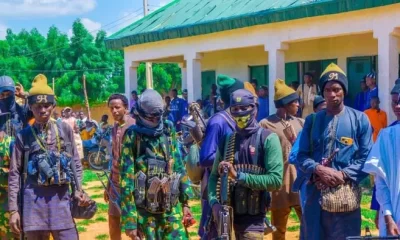
One of the most alarming issues Nigeria faces today is the increasing insecurity. What began as localized conflicts in certain regions has evolved into nationwide terror. Terrorist groups, bandits, and separatist movements are now operating with impunity across the country. The rise in violent crimes, abductions, and ethnic clashes has not only resulted in loss of lives but has also displaced millions, further straining the nation’s resources.
Investors remain wary of Nigeria’s unstable environment, while everyday Nigerians are forced to live in fear. Insecurity has undoubtedly slowed economic activity, as businesses are reluctant to set up or expand in areas prone to violence. The government’s inability to secure the nation and protect its citizens is a glaring failure that demands urgent attention.
The educational sector, too, is still struggling. Though the government has made some efforts to reform education, such initiatives have not yielded the desired results. The country’s education system remains underfunded and ill-equipped to handle the growing demands of a population that values knowledge and skills as the gateway to prosperity.
There is a critical shortage of teachers, infrastructure, and learning materials, leaving millions of children and young adults without access to quality education. Many Nigerian students are forced to attend overcrowded classrooms, while those in rural areas often lack basic educational resources. The result is a generation of young people who are ill-prepared to face the challenges of the modern world.
Unemployment remains at an all-time high. The nation’s reliance on oil as its primary source of revenue has left it vulnerable to global price fluctuations, causing economic instability. Additionally, the lack of diversification into other sectors such as agriculture, manufacturing, and technology continues to limit job creation.
Without a comprehensive economic overhaul that focuses on sustainable development and the growth of non-oil sectors, Nigeria’s economy will continue to stagnate. The country needs to invest in infrastructure, create an environment that nurtures entrepreneurship, and promote policies that will stimulate job creation.
The question is not whether Nigeria has the potential to be great, but whether its leaders can rise to the occasion and make the necessary changes to unlock that potential. There is no shortage of resources in the country—natural, human, or financial. What is lacking is effective governance, transparency, and leadership that prioritizes the needs of the people over personal gain.
The Nigerian government must take decisive action to address poverty, reduce corruption, enhance security, and overhaul the education system. Citizens, civil society organizations, and the private sector must also play their part by demanding accountability, fostering innovation, and supporting initiatives that contribute to national development.
At 64, Nigeria remains a land of possibilities. However, unless these challenges are addressed, the country will continue to suffer, and the future will remain uncertain. It is time for bold steps and concrete reforms that can secure a prosperous and peaceful future for the next generation.
Usman Muhammad Salihu was among the pioneer cohorts of the PRNigeria Young Communication Fellowship and Muhammad Umar Shehu. They can be reached via: umarshehu887@gmail.com, muhammadu5363@gmail.com