Africa
Nigeria Must Turn To Modern Technology To Defeat Insecurity -By Aminu Babayo Shehu
Nigeria’s security forces have courage and dedication, but courage alone cannot defeat modern criminals who rely on speed, shock and terrain mastery. Technology is the equaliser. It exposes hideouts, cuts communication lines and allows the state to strike before criminals mobilise.


Nigeria is facing one of its toughest internal security battles in decades. From the kidnapping of schoolchildren in Kebbi and Niger states to the killing of senior military officers, including a Brigadier General, criminal groups continue to operate with increasing boldness. Bandits, kidnappers and terror cells now openly upload videos on platforms like TikTok and WhatsApp, displaying weapons, hostages and propaganda with little fear of consequences.
This is no longer an era where outdated tactics can secure the nation. Criminal groups are becoming more technologically aware, while the state still relies heavily on manual intelligence and slow-response systems. Countries dealing with similar threats have adopted advanced tools and modern strategies. Nigeria must follow the same path.
The United States and Israel use drones, satellite intelligence and geolocation trackers to disrupt hostile organisations long before they strike. Rwanda has established a modern drone command system to enhance surveillance and national security. India employs mobile tracing, SIM mapping and digital pattern analysis to dismantle kidnapping networks. These examples show that even in challenging environments, technology can expose criminal movements, reduce their operational freedom and strengthen national response.
Nigeria can apply the same approach effectively.
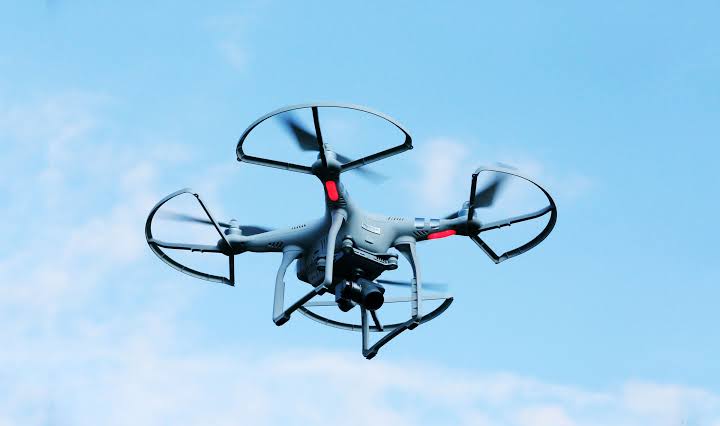
Real-time aerial surveillance remains one of the most critical tools missing from Nigeria’s security architecture. High-altitude drones equipped with night-vision cameras and heat sensors can monitor massive forest regions where bandits hide. Such drones transmit live data to command centres, making it possible to track movements and coordinate precision strikes. In many cases, soldiers do not have to be deployed on foot into ambush-prone areas; operations can be guided or executed remotely.

Mobile intelligence is another powerful asset. Every phone, even when switched off, leaves digital traces. With firm collaboration between telecom operators and security agencies, criminals can be located through cell-site analysis, call patterns and movement anomalies. India has successfully used these tools to reduce large-scale kidnapping syndicates.
Satellite imaging paired with artificial intelligence can detect camps, vehicles and human movement in remote areas. Modern software can analyse thousands of images within minutes and flag suspicious activity such as heat signatures, makeshift shelters or recently cleared land. This drastically improves early detection and reduces operational delays.
State governments can also invest in early-warning technologies. Community CCTV networks, automated alarm systems and remote-sensor alerts can shorten response times. Local initiatives that once existed in a few states need consistent funding and national integration.
At the federal level, the Presidency should coordinate a national security technology blueprint. This would bring together drones, cyber-intelligence tools, biometric systems, satellite monitoring and geospatial-analysis platforms into one central command. Strategic partnerships with technologically advanced nations can reduce cost and strengthen capacity.
Nigeria’s security forces have courage and dedication, but courage alone cannot defeat modern criminals who rely on speed, shock and terrain mastery. Technology is the equaliser. It exposes hideouts, cuts communication lines and allows the state to strike before criminals mobilise.
The tools exist. They are affordable. They have worked in other nations. What Nigeria needs now is clear political will, long-term investment and an understanding that 21st-century threats demand 21st-century solutions.
If embraced, technology can save lives, disrupt kidnappers and terrorists, and restore the confidence of millions of Nigerians who deserve safety.
Aminu Babayo Shehu is a Software Engineer and Mobile Developer with experience in building technology-driven solutions, including systems used in logistics, telecommunications, e-commerce and security-focused applications. He writes on technology, national development and digital transformation.