Forgotten Dairies
Nigeria Needs Responsible Opposition, Not Reckless Revolution Talk -By Danjuma Lamido
The Constitution itself recognizes that certain expressions, particularly those capable of inciting violence or threatening national security, fall outside the protective shield of free speech.

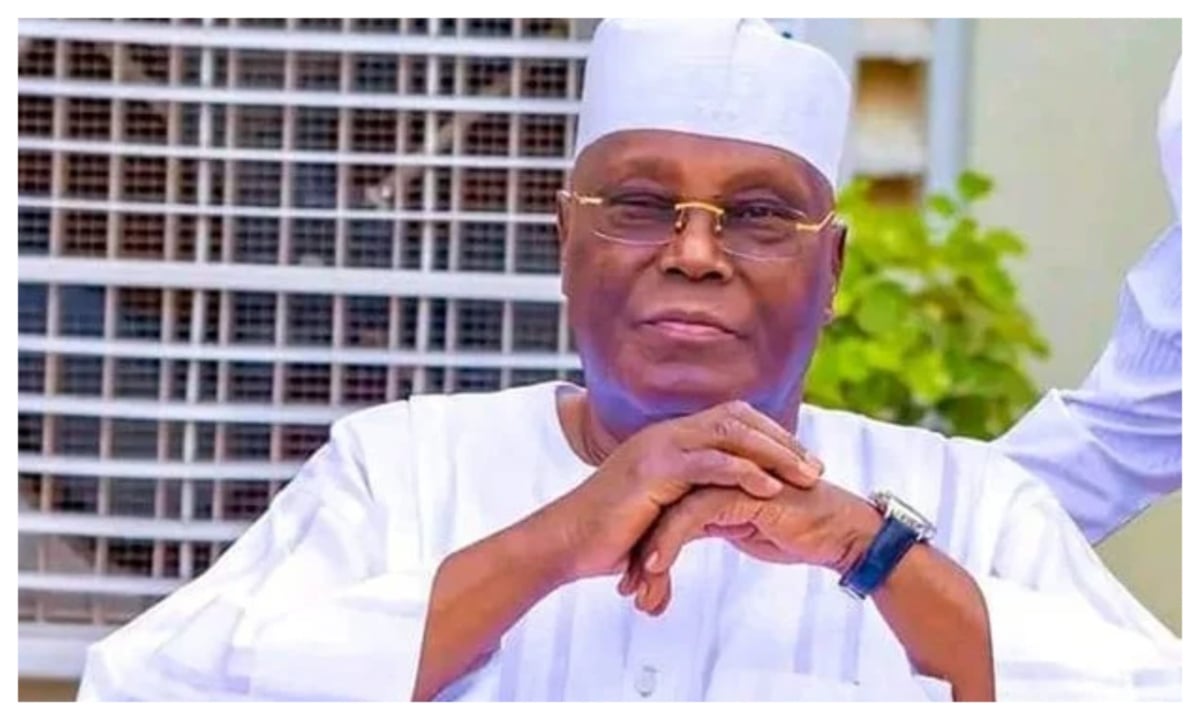
The recent statement credited to former Vice President Atiku Abubakar, warning that a revolution may take place in Nigeria, is not only unfortunate but also deeply troubling. He reportedly made this remark during a solidarity visit to Nasir El-Rufai in Abuja on Thursday. Such rhetoric, especially coming from a statesman of his standing, deserves careful scrutiny.
Nigeria is a democratic nation. Our democracy may not be perfect, but it remains the legitimate framework through which grievances must be addressed and leadership contested.
The suggestion of a “revolution” in a constitutional democracy undermines the very institutions many patriots have laboured to build since 1999.
One would expect that a former vice president who served under Olusegun Obasanjo would appreciate the fragility of our democratic journey.
It is worth reminding Atiku that many of the structural and economic challenges Nigeria grapples with today did not emerge overnight.
Several of the foundational policies and institutional decisions taken during the Obasanjo administration contributed significantly to the trajectory we are on.
Yet, despite widespread dissatisfaction at various times during that era, Nigerians did not call for revolution. They sought change through the ballot box and lawful civic engagement.
Democracy thrives on constructive opposition, not incendiary alarmism. When influential political actors hint at revolution, they risk emboldening unrest and creating unnecessary tension in an already complex national environment. Words matter—especially in a country as diverse and sensitive as ours.
It is also important to separate genuine civic agitation from politically motivated agitation.
Many of those amplifying revolutionary rhetoric today are, in truth, failed and frustrated politicians who have lost relevance and public trust.
Having exhausted their electoral prospects, they now attempt to inflame public sentiment in the hope of regaining political leverage. This is not patriotism; it is opportunism.
Nigeria’s challenges—economic pressures, security concerns, and governance reforms—require sober dialogue and collective responsibility.
They do not warrant a revolution. Our constitutional order provides avenues for change: elections, the courts, legislative advocacy, peaceful protests within the ambit of the law, and civic participation. These are the tools of democracy.
Freedom of speech is a cherished right under Nigerian law. However, it is not absolute.
The Constitution itself recognizes that certain expressions, particularly those capable of inciting violence or threatening national security, fall outside the protective shield of free speech.
Leaders must exercise restraint and responsibility in their public utterances.
Nigeria will continue to stand united. Our diversity is our strength, and our democratic system, however imperfect, remains the best path forward.
Rather than stoking fears of revolution, political leaders should channel their energy into offering credible alternatives, building consensus, and strengthening institutions.
The future of Nigeria will not be determined by reckless rhetoric but by responsible leadership and the enduring will of her people to preserve unity, peace, and democratic progress.
Danjuma Lamido writes from Yola, Adamawa State. Email: danjumalamido2011@gmail.com