
Forgotten Dairies
Beyond Electronic Transmission Of Results -By Tochukwu Jimo Obi
For presidential elections, a single National Collation Centre in Abuja should operate under similar transparent conditions. Real-time aggregation from all states, displayed openly, would ensure that no opaque processes occur behind closed doors. Such a system would likely reduce post-election litigation, enhance the credibility of declared winners, and increase public acceptance of outcomes. Legitimacy in a democracy is not only about winning; it is about convincing the majority that the process was fair.

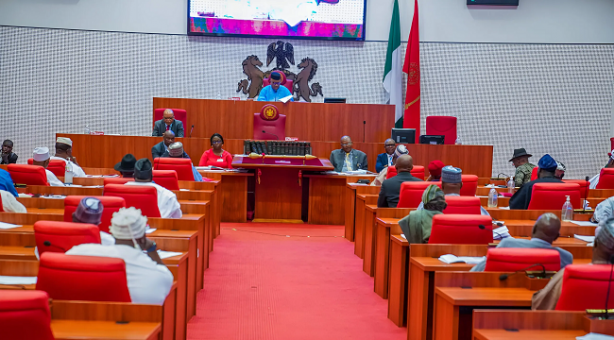
As debates over the electronic transmission of election results from polling units continue to dominate Nigeria’s political landscape, it is becoming increasingly clear that the conversation must move beyond a single reform. While technology-driven transmission is widely seen as a game changer, focusing solely on it risks overlooking deeper structural weaknesses within the electoral process. With the 2027 general elections on the horizon, a broader and more rigorous examination of the entire results management chain is urgently required.
There is little doubt that a majority of Nigerians support the electronic transmission of results directly from polling units. The demand is rooted in years of distrust, allegations of manipulation, and post-election disputes. Real-time uploading of results promises transparency, reduces human interference at the grassroots, and allows citizens to independently verify outcomes. It strengthens public confidence and aligns Nigeria’s democracy with global best practices in electoral administration.
However, while electronic transmission from polling units is critical, it does not, by itself, eliminate vulnerabilities within the system. The journey of election results does not end at the polling unit. Between ward, local government, and state collation centres, multiple layers of aggregation occur. Historically, these centres have been flashpoints for disputes, allegations of tampering, and opaque decision-making. Technology at the base level cannot compensate for weaknesses at higher levels of collation.
Evidence from past elections suggests that many controversies arise not from the voting process itself, but from what happens during collation. Discrepancies between polling unit results and final declared figures have often been traced to collation stages. Party agents have raised concerns about restricted access, unexplained alterations, and procedural irregularities. These recurring issues highlight the need to reassess the necessity and structure of ward and local government collation centres.
One proposed reform is the elimination of ward and local government collation centres altogether, leaving only state collation centres for governorship, state assembly and national assembly elections. By reducing the number of collation layers, the opportunities for interference would be significantly minimized. Fewer aggregation points mean fewer procedural bottlenecks and less room for manipulation. It would also streamline logistics and enhance efficiency.
To address both transparency and efficiency, state collation centres should be technologically equipped with large public display screens showing results as they are uploaded in real time from polling units. Agents of all political parties, civil society organisations, security agencies, media representatives, and electoral officials should have simultaneous access to the same data. Transparency must not be selective. When every stakeholder sees identical figures as they come in, disputes are more easily resolved and trust is strengthened.
For presidential elections, a single National Collation Centre in Abuja should operate under similar transparent conditions. Real-time aggregation from all states, displayed openly, would ensure that no opaque processes occur behind closed doors. Such a system would likely reduce post-election litigation, enhance the credibility of declared winners, and increase public acceptance of outcomes. Legitimacy in a democracy is not only about winning; it is about convincing the majority that the process was fair.
In addition, strict legal provisions must be enforced to protect collation centres from undue interference. Access should be limited strictly to accredited individuals, regardless of status or political influence. Anyone without official authorization should face serious legal consequences for attempting to interfere. As Nigeria approaches 2027, reforms must extend beyond electronic transmission alone. A free, fair, and transparent election will depend not just on technology at the polling unit, but on a secure, streamlined, and accountable collation architecture from start to finish.
Tochukwu Jimo Obi, a current affairs commentator writes from Obosi Anambra state.

























You must be logged in to post a comment Login