Forgotten Dairies
Nigerian Women Waiting to Excel: Marriage, Money, and Misinterpretation: Rethinking Partnership in Today’s African Homes -By Daniel Nduka Okonkwo
The conversation becomes more complex when public figures reinforce dependency. A Nollywood actress recently declared that “no man feels complete when a woman feeds him” and that her joy lies in stretching out her hand to collect money from her man. While she is entitled to her opinion, such statements carry influence and risk sending the wrong message to younger generations. They perpetuate a mindset that undermines women’s independence and men’s dignity.


In contemporary Nigeria, the role of women in marriage and society is undergoing a profound transformation. While many still uphold traditional expectations that a man must shoulder the financial burden of the household, a growing number of modern Nigerian women are working, financially independent, and contributing to family responsibilities, especially when their partners struggle.
Yet, this shift is not without tension. Critics argue that financial reliance has historically driven many women into marriage, creating a system where loyalty is often exchanged for material care and where money is sometimes perceived as “sweeter” than love. Deeply rooted cultural and religious doctrines continue to reinforce the belief that a man’s ability to provide is proof of his love and commitment, with some women insisting that “a man’s money belongs to them.”
This mentality, shaped by generations of expectation and entitlement, reflects both the springiness and the challenges faced by African women, particularly Nigerians, who are navigating between tradition and modernity while seeking to excel in a society that often measures a man’s worth by the size of his wallet.
The slogan, “My Odogwu is capable of providing for all my needs,” is frequently echoed by some women who have reduced marriage to a tool of survival. Such narratives risk encouraging a gullible mindset among younger generations and gradually eroding the values of mutual responsibility that once defined African heritage.
In many Nigerian households today, marriage is increasingly strained by a troubling narrative: the belief that men must shoulder the entire financial responsibility of the family. This expectation, often reinforced by selective religious interpretations and cultural misrepresentations, has created an imbalance that undermines both dignity and stability.
Some women quote the Bible or reference Western lifestyles to justify financial dependency, portraying men as sole providers. Yet this interpretation is often taken out of context. In reality, many Western households thrive on dual incomes, with both partners contributing to sustain their standard of living. What is admired abroad is not male dominance, but partnership.
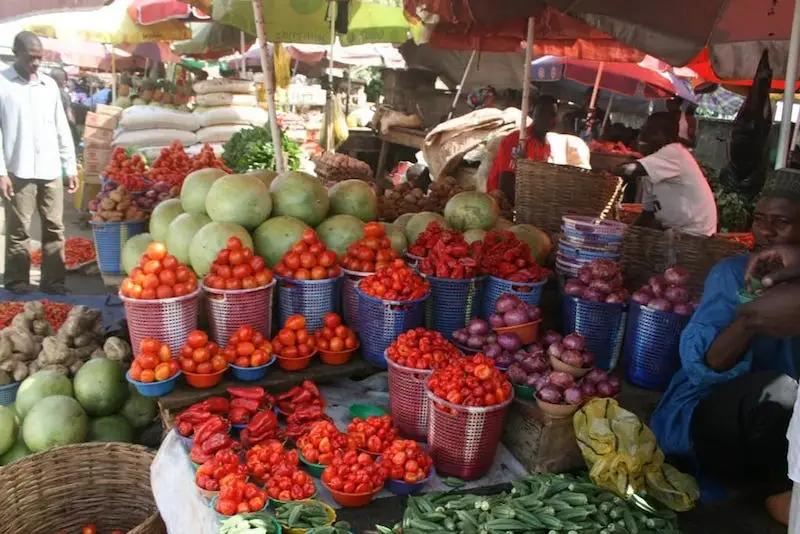
African tradition itself does not support the complacency model. Historically, African women traded in markets, farmed, and ran businesses, actively supporting household economies. To suggest that tradition demands that men carry every burden is misleading and cooperation was the foundation of survival, not dependency.
The entitlement mentality, that men must provide everything without question, creates unsustainable pressure. It breeds resentment, weakens trust, and destabilizes marriages. A union built on one-sided effort is destined to collapse under the weight of unrealistic expectations.
Marriage should never be reduced to a financial dependency program. True empowerment lies in collaboration, where both partners contribute their strengths, financial, emotional, and domestic. This balance fosters adaptability, deepens trust, and shields families from external pressures.
Globally, financial partnership is increasingly becoming the standard for stability. In modern societies where both men and women have access to education and careers, insisting on total dependence is not empowerment; it is complacency. And complacency has never built a stable home.
A sustainable marriage requires intentionality: daily gestures of care, shared responsibilities, and collaborative problem-solving. When partners show up consistently for one another, they build emotional stability and strengthen their bond against challenges. This is the essence of partnership, moving beyond rigid roles to a team-oriented model.
The conversation becomes more complex when public figures reinforce dependency. A Nollywood actress recently declared that “no man feels complete when a woman feeds him” and that her joy lies in stretching out her hand to collect money from her man. While she is entitled to her opinion, such statements carry influence and risk sending the wrong message to younger generations. They perpetuate a mindset that undermines women’s independence and men’s dignity.
She further argued that even wealthy women find joy in receiving money from their husbands. While gestures of giving can indeed symbolize love and care, reducing marital happiness to financial handouts risks trivializing the deeper essence of partnership. Love is not measured by the money exchanged, but by mutual respect, effort, and shared vision.
The younger generation must resist distorted interpretations of religion and culture. Marriage thrives on cooperation, not control. It is sustained by shared responsibility, not entitlement. When both partners contribute, financially and emotionally, the family becomes stronger, more ebullient, and better equipped to face life’s inevitable challenges.
The truth is simple: independence is not about rejecting support, but about refusing dependency. A progressive marriage is one where both partners build together as equals, in pursuit of stability, dignity, and growth.
Daniel Nduka Okonkwo is a Nigerian investigative journalist, publisher of Profiles International Human Rights Advocate, and policy analyst whose work focuses on governance, institutional accountability, and political power. He is also a human rights activist, human rights advocate, and human rights journalist. His reporting and analysis have appeared in Sahara Reporters, African Defence Forum, Daily Intel Newspapers, Opinion Nigeria, African Angle, and other international media platforms. He writes from Nigeria and can be reached at dan.okonkwo.73@gmail.com.