Africa
Nnamdi Kanu, Sheikh Gumi, and the Double Standards of Nigerian Justice -By Jeff Okoroafor
Nigeria punishes political activist Nnamdi Kanu while leaving armed actors like Sheikh Gumi unchecked. I explored how selective enforcement, corruption, and political expediency under Tinubu jeopardize national security and fuel distrust.

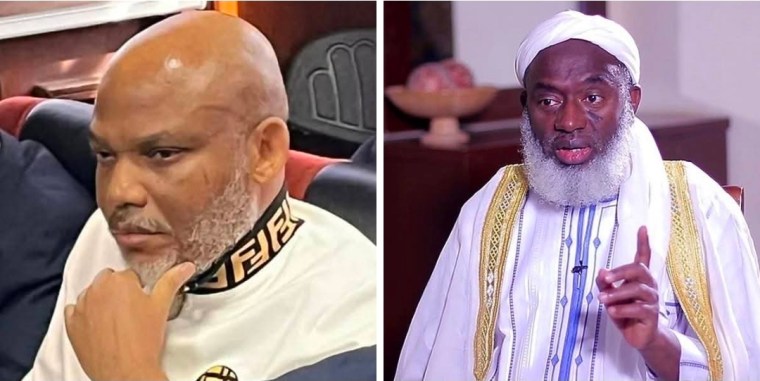
Nigeria is a country where justice is increasingly measured not by law, but by political convenience. The life imprisonment of Nnamdi Kanu, leader of the Indigenous People of Biafra (IPOB), exemplifies a dangerous double standard: a state willing to crush political dissent while tolerating actors whose actions actively endanger its citizens. This selective enforcement undermines national security, erodes public trust, and signals a disturbing tolerance for corruption and illegality.
IPOB, historically, was largely nonviolent. Its members advocated for self-determination and the protection of minority rights, yet they were repeatedly targeted by government raids, unlawful detentions, and overt violations of civil liberties. Kanu himself did not take up arms against Nigeria; rather, he resisted a state that has consistently used brute force to silence dissenting voices. To imprison him for life is not justice—it is political expediency.
Meanwhile, figures like Sheikh Ahmad Gumi, who have facilitated negotiations with armed bandits in northern Nigeria, remain untouched by the law. Under his influence, kidnappings, massacres, and terror have escalated across multiple states, yet the government permits him to operate freely, citing fears of further unrest. This is not neutrality—it is selective tolerance. By punishing activists like Kanu while leaving violent actors unchecked, the state prioritizes political loyalty over legality, and personal advantage over citizen safety.
President Bola Tinubu’s administration has compounded these problems through what can only be described as “backyard deals” and tacit arrangements that compromise security. While Fulani herdsmen and armed groups continue to terrorize Christian communities in the Middle Belt and South-East, the federal government directs its full force against political activists. The result is a nation where terrorists operate with impunity, victims are left defenseless, and law-abiding citizens question whether the state exists to protect them or to silence them.
This is not the first time Nigeria has shown such selective governance. During the Biafran War, oil resources—a potential bargaining chip—were surrendered without strategic leverage, leaving Eastern communities politically and economically weakened. The systemic mismanagement of Nigeria’s resources and security apparatus has historically disadvantaged minority populations, and the handling of Kanu’s case is a continuation of that pattern. While political elites negotiate behind closed doors, ordinary citizens endure massacres, abductions, and displacement.
Kanu’s sentencing, juxtaposed with Gumi’s immunity, underscores a chilling message: the law protects some and punishes others based on convenience, ethnicity, or political alignment. This double standard fuels distrust, amplifies ethnic tensions, and threatens the stability of the federation itself. Security in Nigeria cannot be achieved by selectively enforcing laws or protecting some actors while criminalizing others.
The consequences of this approach are profound. Citizens lose faith in state institutions, violence escalates, and social cohesion erodes. A government that tolerates terrorism yet punishes peaceful political expression invites further instability. Nigeria’s survival as a stable, unified nation requires equal application of the law, accountability for all actors—political and violent alike—and an end to corruption and “backroom” compromises that jeopardize citizen safety.
For Nigeria, the lessons are clear: political expediency must never override justice, and security cannot be built on selective enforcement. Kanu’s imprisonment and Gumi’s freedom reflect a troubling reality where loyalty and ethnicity dictate outcomes, rather than law or morality. Until Nigeria confronts this imbalance, insecurity and injustice will continue to define the nation’s future.
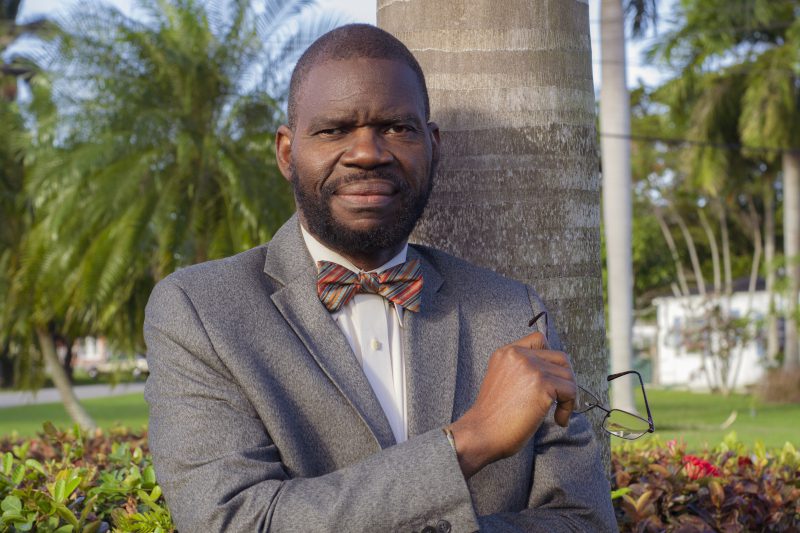
Jeff Okoroafor is a social accountability advocate and a political commentator focused on governance, accountability, and social justice in West Africa.