Forgotten Dairies
Oshodi Open Door: The Harsh Reality of Mental Health Struggles in Nigeria’s Law Enforcement and Security Agencies -By John Egbeazien Oshodi
Nigeria’s officers put their lives on the line every day but who is protecting them If urgent steps are not taken more lives will be lost not in the line of duty but to the silent battle of mental health struggles It is time for decisive action to create a healthier work environment where officers can access the support and resources they need to perform their duties effectively

The tragic case of Dogara Akolo-Moses a police constable who took his own life in Nasarawa serves as a stark reminder of the growing mental health crisis within Nigeria’s law enforcement and security agencies This incident reported by Daily Post on February 5 2025 highlights the silent suffering officers endure daily often with no avenues for support or relief Law enforcement is a profession that demands resilience yet little is done to address the emotional burdens officers carry as they risk their lives to protect the public
The Harsh Reality for Nigeria’s Officers
Law enforcement in Nigeria is not just about enforcing laws and combating crime it is a fight for survival Officers in agencies such as the Nigeria Police Force (NPF), Department of State Services (DSS ),Economic and Financial Crimes Commission (EFCC ), Independent Corrupt Practices and Other Related Offences Commission (ICPC) ,Nigerian Correctional Service (NCoS) National Drug Law Enforcement Agency (NDLEA), Nigerian Security and Civil Defence Corps (NSCDC),and the National Intelligence Agency (NIA ), work under immense pressure and often receive little to no psychological or emotional support
Beyond the dangers of crime-fighting these officers endure long working hours constant exposure to violence and harsh working conditions Many struggle with delayed salaries poor housing inadequate medical care and limited career growth Their mental and emotional burdens are compounded by punitive transfers favoritism in promotions and the cultural stigma that discourages them from seeking mental health assistance Officers who experience stress depression or PTSD are often afraid to speak out for fear of being labeled weak or unfit for duty
The Consequences of Ignoring Mental Health
When officers are overworked and mentally exhausted it negatively impacts their judgment decision-making and interactions with the public Stressed officers are more prone to aggressive responses or making fatal mistakes Some turn to substance abuse or reckless behavior as coping mechanisms while others suffer in silence until they reach a breaking point Cases like that of Dogara Akolo-Moses highlight the tragic outcomes of ignoring mental health in law enforcement Suicide among officers is a growing concern and urgent intervention is needed
Urgent Reforms Needed
To prevent further tragedies and support officers’ mental well-being comprehensive reforms must be implemented including
Regular Mental Health Checks Officers should undergo psychological evaluations at regular intervals to detect and address mental health concerns before they escalateCounseling and Support Services Confidential counseling services should be available within all law enforcement agencies to provide professional mental health support without stigmaPeer Support Networks Encouraging officers to confide in and support one another can help break the culture of silence surrounding mental health issuesFair Promotions and Transfers Officers should be promoted based on merit and experience rather than favoritism or internal politics Sudden punitive transfers should be regulated and officers should be given adequate time to adjustBetter Salaries and Welfare Timely payment of salaries improved housing benefits medical care and transportation allowances will significantly ease officers’ stress and improve their overall well-beingMental Health Awareness Training Officers should receive training on stress management and mental health awareness equipping them to recognize warning signs in themselves and their colleagues
A Wake-Up Call for Leadership
The case of Dogara Akolo-Moses is a tragic reminder that mental health must be prioritized within Nigeria’s law enforcement community Leadership in agencies such as the NPF DSS EFCC ICPC NDLEA NSCDC NCoS and NIA must acknowledge the psychological toll of policing and integrate mental health support into their operational framework
Nigeria’s officers put their lives on the line every day but who is protecting them If urgent steps are not taken more lives will be lost not in the line of duty but to the silent battle of mental health struggles It is time for decisive action to create a healthier work environment where officers can access the support and resources they need to perform their duties effectively
The time for change is now Addressing mental health in Nigeria’s law enforcement agencies is not just necessary it is critical Let us work together to protect those who protect us
Oshodi Open Door, also known as Oshodi Open Door Public Training (OOPDT, pronounced opidt), is a public awareness initiative promoting transparency, accountability, and integrity in Africa through educational articles and resources at jos5930458@aol.com, and offers specialized Timely Response Solutions (TRS) training at minimal or no cost.
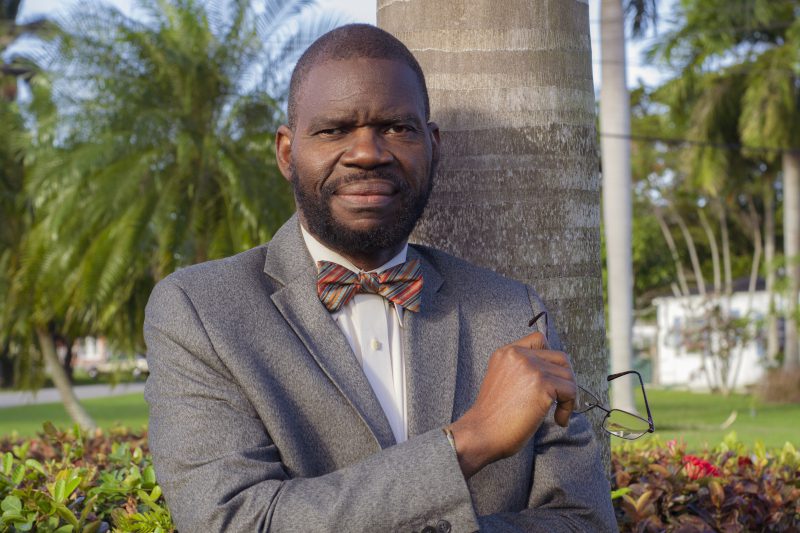
John Egbeazien Oshodi is an American psychologist, educator, and author. Born in Uromi, Edo State, Nigeria, he is the son of a 37-year veteran of the Nigeria Police Force. Professor Oshodi is an expert in cross-cultural psychology, forensic/clinical psychology, police and prison science, and social justice.
He has made significant contributions to forensic psychology, introducing it to Nigeria in 2011 through the National Universities Commission (NUC) and Nasarawa State University. Professor Oshodi has taught at several institutions, including Florida Memorial University, Florida International University, and Nova Southeastern University.
Currently, he serves as a government consultant for forensic-clinical psychological services in the USA and practices as a clinical and forensic psychologist. He also holds virtual faculty roles at Walden University and other institutions. Professor Oshodi has authored numerous publications and founded the Psychoafricalysis theory in psychology.