Africa
Patience As A Passport To Currying Tinubu’s Political Favor, by Isaac Asabor

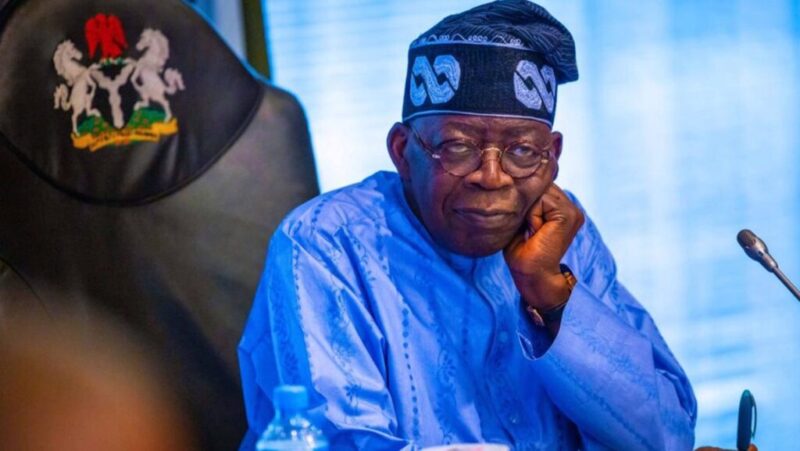
In recent times, Nigeria’s economic landscape has been far from promising. With the rising cost of living, increasing inflation, and the general hardship felt by the masses, citizens are growing impatient. Yet, amid this deepening economic crisis, a familiar refrain has emerged from politicians, public figures, and even religious leaders: “Be patient with Tinubu.” This phrase seems to have become the golden ticket for those seeking to curry favor with the president, serving as a passport to earning his goodwill.
The question that remains is whether this call for patience is born out of genuine concern for the nation or a strategic move by political opportunists. In a country where political loyalty often translates into personal gain, it seems that advocating patience has become the new currency for positioning oneself favorably with President Bola Ahmed Tinubu.
Over the past months, we have witnessed a surge in politicians and influential voices stepping forward with similar messages. From cabinet members to public figures, the script is almost identical: “Nigerians should be patient; Tinubu has a plan, and the results will come.” These individuals present Tinubu as a visionary whose long-term strategy requires sacrifice and endurance. Yet, to the average Nigerian grappling with hunger and economic instability, such messages can feel far removed from reality.
It is no coincidence that these voices are predominantly those of individuals with a vested interest in aligning with the government. Pleading for patience in the face of national hardship seems to be the latest badge of loyalty, a strategic move that signals unwavering support for Tinubu’s leadership.
For instance, several top officials, including governors and ministers, have taken to the media to urge Nigerians to remain hopeful, often portraying Tinubu as the man with the right solutions to Nigeria’s problems. Whether it is during a public address or through media interviews, this narrative of patience has become an essential talking point for those looking to solidify their position in the president’s good books.
Nigeria’s political history is rife with instances of similar calls for patience during challenging times. From military regimes to civilian administrations, leaders have often asked the people to “tighten their belts” or “endure” for the sake of future prosperity. Under such regimes, however, the promised prosperity rarely materialized, leaving Nigerians disillusioned and discontented.
The Tinubu administration, despite entering office with significant public support, is now grappling with similar challenges. Economic reforms, the removal of fuel subsidies, and other policies meant to stimulate growth have instead resulted in widespread suffering. This has left many questioning when the promised benefits will materialize. The growing frustration of the masses is met with a wave of loyalists urging for more patience, a familiar playbook.
In fact, this strategy closely mirrors tactics used by previous administrations, where political figures leaned on patience as a buffer against growing unrest. But with Nigeria’s economic landscape worsening, the call for endurance rings hollow for many who are unable to feed their families, afford basic necessities, or access adequate healthcare. The patience many politicians are asking for may not be a viable option for ordinary citizens bearing the brunt of the government’s policies.
In Nigerian politics, being aligned with the government of the day often translates to political and economic rewards. Appointments, contracts, and other forms of patronage are distributed to those who show loyalty and support. It is within this framework that we can understand why so many individuals are eager to be seen as champions of Tinubu’s leadership. For many politicians, pledging loyalty is not just about political survival, it is a path to personal gain.
Publicly urging the people to be patient with Tinubu is a calculated move, designed to showcase loyalty while downplaying the real concerns of the populace. However, the message often comes across as disconnected from the everyday struggles of Nigerians. It is one thing to ask for patience, but it is another to fully understand the depth of the suffering Nigerians are currently enduring.
Political figures calling for calm are often insulated from the worst of the economic turmoil. They do not face the same struggles with rising food prices, soaring transportation costs, or a depreciating naira. Many of them live in a bubble, far removed from the realities on the ground. To these elites, patience may seem like a reasonable request, but for ordinary Nigerians, patience has a breaking point.
It is important to ask whether these calls for patience are truly genuine or simply a political tactic. Are these leaders genuinely concerned about the well-being of the masses, or are they more interested in maintaining their proximity to power? For many Nigerians, the repeated promises of future prosperity are beginning to sound like empty platitudes.
What Nigerians are craving is not just patience but transparency and tangible progress. They want to see clear, concrete steps toward economic recovery. They want the government to acknowledge their suffering and take swift action to alleviate it. Empty calls for patience, without corresponding action, only serve to deepen the frustration of the populace.
In contrast, a government that responds to the needs of its citizens and communicates its plans clearly would likely find that people are more willing to endure hardship if they feel included in the process. Right now, that connection between the government and the people seems to be fraying.
For President Tinubu, the challenge is not just one of economic policy but one of trust. He must navigate the fine line between asking for patience and delivering results. While loyalists may continue to push the narrative that “patience is needed,” the president’s ultimate legacy will be shaped by his ability to address the urgent needs of Nigerians. Political favor may be won through calls for patience, but the hearts of the people can only be won through action.
If Tinubu’s administration is to weather the storm, it will need to do more than lean on loyalists to pacify the public. It must demonstrate a clear and decisive path forward. And it must show that patience, if asked for, is accompanied by real progress that benefits the masses, not just the elites.
While patience has become the passport to currying favor with Tinubu, for many Nigerians, the question is: How long can they afford to be patient? For those struggling to make ends meet, patience feels like a luxury they can no longer afford. And if the government does not act swiftly to alleviate their suffering, the reservoir of patience may soon run dry.
Ultimately, the success of Tinubu’s administration will not be determined by how many politicians call for patience, but by how effectively the government addresses the mounting economic challenges. Patience may be a virtue, but for a country in crisis, it cannot be the only answer.