Africa
Reps’ Call For Reversal Of Petrol And Gas Prices: Genuine Or Just Lip Service?, by Isaac Asabor

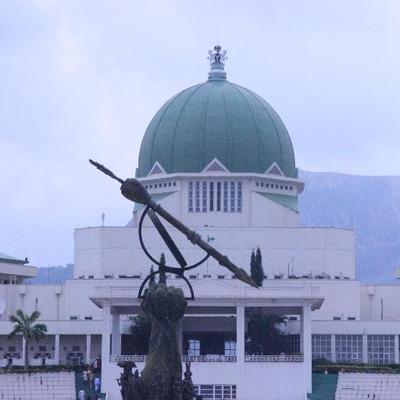
There is no denying the fact that the call by members of the House of Representative for a reversal of petrol and gas price hikes has raised significant level of doubt in the minds of not a few Nigerians, grappling with the soaring costs of living, particularly in the mind of this writer. While the request ostensibly aims to alleviate the economic burden on Nigerians cannot in any way be dismissed with mere wave of the hands. The reason for the doubt cannot be farfetched as it lies in the question, “Given the undemocratic closeness between NASS and the presidency, can Nigerians truly believe the House of Representative when it speaks out against executive policies?
The skepticism surrounding the house of representative’s motives stems from a long-standing relationship with the presidency which many view as unhealthy and overly cozy. Over the years, the legislative arm of government has often acted more as a supportive ally of the presidency than an independent body tasked with oversight and accountability. This close alignment undermines the essential role of the National Assembly, which should serve as a check on executive power and a voice for the people.
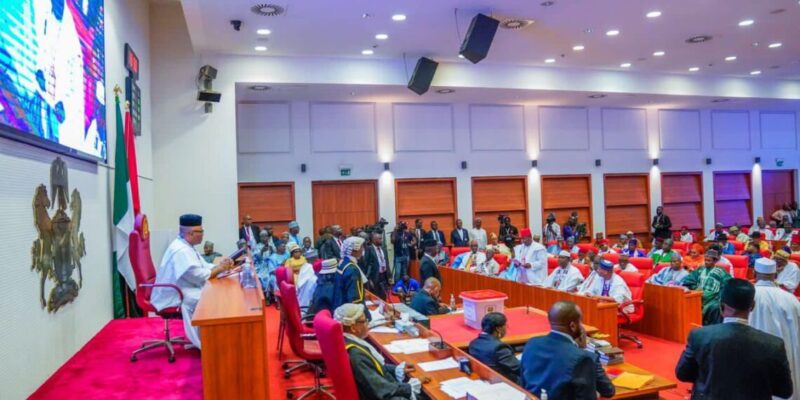
In fact, since President Bola Ahmed Tinubu announced the removal of fuel subsidies, resulting to increase in the prices of petrol and gas, and which no doubt exacerbated the already precarious financial situation of many Nigerians, the lawmakers seem to have done nothing by virtue of being the representative of the people. Now, given the sudden demand for a price reversal by members of the house of representative, it appears less like a genuine effort to protect citizens and more like a strategic move to regain favor with an increasingly disillusioned electorate. Without a doubt, the Assembly’s credibility has been significantly eroded due to its perceived complicity in executive decisions, raising doubts about the authenticity of its recent call.
It is not an exaggeration to opine that the National Assembly’s credibility has taken a hit due to its perceived complicity in the executive’s decisions. Instead of challenging the government’s actions from the onset, the Assembly largely remained silent during the subsidy removal process, allowing prices to surge without opposition. Now that members of the house of representative are calling for a price reversal, many citizens had already lost faith in its ability to represent their interests. The question on everyone’s lips is whether this latest appeal is a genuine response to public suffering or merely political theater designed to distract from its previous inaction.
Without a doubt, not a few Nigerians would feel that the call for a reversal is merely a reaction to public pressure rather than a genuine commitment to improving their lives. This sentiment is further fueled by the perception that the National Assembly has consistently failed to hold the presidency accountable, especially on issues directly affecting the populace. When leaders in the Assembly express concerns only after public outcry, it reinforces the notion that they are not genuinely invested in the welfare of the citizens.
Montesquieu’s doctrine of the separation of powers emphasizes that each branch of government should function independently, serving as a check on the others to prevent the concentration of power. Unfortunately, the National Assembly’s alignment with the presidency has eroded this principle, compromising its ability to act autonomously in the interest of the Nigerian populace.

In fact, when the legislature fails to assert its independence, it not only undermines the democratic process but also fosters a climate of distrust among the citizens it is meant to serve. The ideal scenario, as envisioned by Montesquieu, is for the legislature to engage in healthy debate and scrutiny of executive decisions. However, the reality in Nigeria has been starkly different, with the National Assembly often appearing as a mere rubber stamp for the presidency’s policies.
The implications of this undemocratic closeness between NASS and the presidency extend beyond the current fuel price issue. A weakened National Assembly is less likely to hold the executive accountable on critical issues such as fiscal policies, national security, and social justice. This failure to provide oversight can lead to unchecked executive power, further alienating citizens and diminishing public trust in government institutions.
Moreover, when the house of representative calls for a reversal of fuel prices without a demonstrated commitment to protecting the public interest, it risks reinforcing the perception that it is out of touch with the realities faced by everyday Nigerians. The perception of lip service rather than genuine concern deepens the chasm between the government and the governed, leading to widespread disenchantment with political institutions.
For instance, during the last budgetary allocation, the Assembly seemed to prioritize political patronage over the pressing needs of the citizens. Budgetary allocations for social welfare programs were overshadowed by funding for projects that appeared to benefit political elites rather than the average Nigerian. This disconnect between the legislature and the people it serves is further compounded by the ongoing economic crisis.
To restore faith in the National Assembly and its functions, it must demonstrate genuine accountability and a willingness to act in the best interests of the Nigerian people. This means not only advocating for a reversal of fuel prices but also engaging in meaningful discussions and legislative actions that address the root causes of economic challenges. The Assembly must prioritize transparency and actively represent the voices of the citizens it serves, ensuring that its actions reflect the needs and aspirations of the populace.

This accountability could take various forms, including public hearings, town hall meetings, and increased engagement with civil society organizations. The Assembly must be proactive in its approach, addressing issues before they escalate into crises. By demonstrating a commitment to its constitutional role, the National Assembly can begin to rebuild the trust that has been lost.
The relationship between the National Assembly and the presidency must be recalibrated to uphold the democratic principles that Montesquieu championed. An independent and robust legislative arm is essential for a functioning democracy, and it must reclaim its role as a check on executive power. This entails breaking free from the confines of an unhealthy alliance with the presidency, allowing it to operate as an advocate for the people rather than a mere extension of the executive.
Furthermore, the National Assembly must engage in a comprehensive review of its legislative agenda to ensure that it aligns with the needs of the Nigerian people. This involves actively soliciting input from constituents and stakeholders, ensuring that legislation reflects the concerns of everyday citizens.
In fact, the house of representative recent call for the reversal of petrol and gas prices is characterized with skepticism and distrust due to its historically close relationship with the presidency. Given this undemocratic closeness, many Nigerians are left wondering whether this appeal is genuine or just another instance of political lip service. If the National Assembly hopes to regain the trust of the people, it must demonstrate a commitment to its constitutional role and prioritize the interests of citizens above political alliances. Only then can it truly represent the voice of the people and serve as a beacon of democracy in Nigeria.
As Nigerians continue to navigate the challenges posed by rising fuel prices and economic instability, the onus is on the National Assembly to prove that it is more than just a rubber stamp for executive decisions. It must step up, fulfill its democratic obligations, and work tirelessly to champion the interests of the citizens it serves.