Africa
So, Nobody Knows Who Kill Mohbad?, by Isaac Asabor

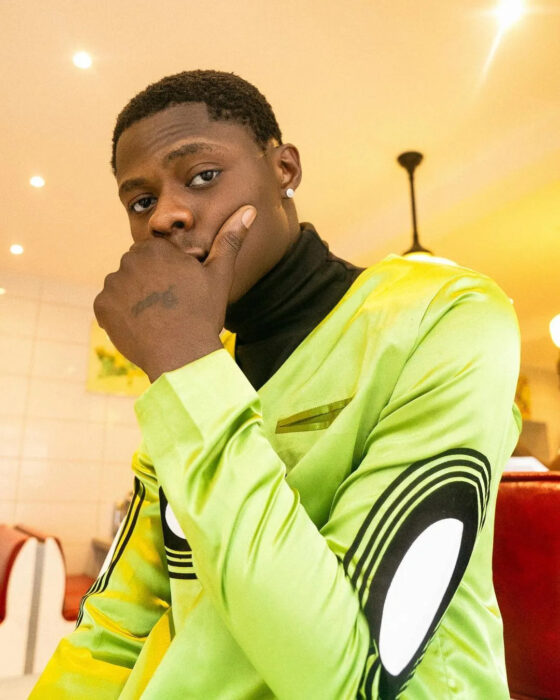
In the bustling chaos of Lagos, amidst the honks of danfo buses and the haggling of market traders, the soulful strains of “EGWU” pierced through the air from a roadside jukebox at Ketu. Mohbad’s voice, layered with Chike’s hauntingly beautiful melodies, carried a bittersweet resonance. The song, released posthumously as a tribute by Chike, has taken the music world by storm. With over 70 million views on YouTube and 48 million streams on Spotify, “EGWU” has become Chike’s biggest hit, cementing Mohbad’s legacy. Yet, the tragedy lies in its timing, Mohbad is no longer here to witness the profound impact of his artistry.
At the bus stop, a young lady, perhaps in her early 20s, wagged her head to the rhythm of the song before voicing the question on many Nigerians’ minds: “So, nobody knows who kill this boy?” It was less a question and more a cry of anguish, a reflection of the collective frustration of a nation seeking justice.
Born Ilerioluwa Oladimeji Aloba, Mohbad was a rising star in the Nigerian music industry, known for his unique fusion of street hop and Afrobeat. He was not just another singer; he was a voice for the streets, a poet for the voiceless, and a symbol of resilience in the face of adversity. His songs resonated deeply with young Nigerians, addressing themes of struggle, betrayal, and survival in a society often unforgiving to its underprivileged youth.
Mohbad’s sudden death on September 12, 2023, sent shockwaves across Nigeria and beyond. He was just 27. The circumstances surrounding his passing remain shrouded in mystery, fueling widespread speculation and outrage. Was it a health issue, foul play, or something far more sinister? Rumors swirled, but answers remained elusive, leaving fans and loved ones grappling with an aching void.
The young lady’s question strikes at the heart of a systemic issue in Nigeria: the culture of silence and impunity. When public figures or ordinary citizens meet untimely deaths under questionable circumstances, the wheels of justice often grind to a halt. From Dele Giwa to Bola Ige, history is littered with unresolved cases that have faded into obscurity, drowned out by the relentless tide of new tragedies.
In Mohbad’s case, the public outcry was immediate and loud. Social media erupted with hashtags like #JusticeForMohbad, and candlelight vigils were held across the country. Yet, as weeks turned into months, the initial fervor waned. The authorities promised investigations, but no tangible progress was made. The question lingers: “Why does justice feel so out of reach in Nigeria?”
Mohbad’s strained relationship with his former record label, Marlian Music, and its head, Naira Marley, has been a focal point of public speculation. The two had a highly publicized fallout, with Mohbad accusing the label of exploitation and harassment. In a now-viral video, he tearfully recounted alleged threats to his life. His fans believe these warnings were ignored or dismissed, and his eventual death has cast a shadow over those he once called colleagues.
While it is important not to jump to conclusions without evidence, it is equally vital to question why such allegations were not thoroughly investigated while Mohbad was alive. Could timely intervention have prevented his death? And why does it seem that those with power and influence in Nigeria are often shielded from accountability?
“EGWU” stands as both a tribute and a reminder. The song’s soaring popularity underscores Mohbad’s enduring influence and the depth of his talent. However, its success is a heartbreaking reminder of what was lost, a life cut short, a career unfulfilled.
The young lady at Ketu may have voiced her question rhetorically, but it demands a response. Nigerians deserve to know the truth about Mohbad’s death, not just for his sake but for what it represents. Justice for Mohbad would symbolize a step towards dismantling the impunity that has long plagued the country. It would send a message that no one, no matter how powerful, is above the law.
To ensure justice for Mohbad, Nigeria’s law enforcement agencies must rise to the occasion. Investigations must be transparent, thorough, and devoid of external interference. The media, civil society, and concerned citizens must continue to apply pressure, ensuring that the case does not slip into the abyss of forgotten tragedies.
Moreover, the entertainment industry itself must take a hard look in the mirror. The exploitation and mistreatment of young artists are rampant, with record labels often prioritizing profit over the well-being of their signees. A regulatory framework to protect artists’ rights and well-being is long overdue.
As “EGWU” continues to dominate airwaves and playlists, it serves as a poignant reminder of Mohbad’s talent and humanity. Fans can honor his memory not just by keeping his music alive but by demanding systemic change, both within the entertainment industry and in society at large.
Mohbad’s death should not be in vain. It should galvanize a movement towards accountability, justice, and a safer, fairer environment for all Nigerians. The question, “So, nobody knows who kill this boy?” should ignite a collective resolve to ensure that such tragedies become a thing of the past.
In the words of Mohbad himself: “I’ve been through so many things, but I still stand.” His voice, though silenced, continues to inspire resilience. Let that resilience guide the pursuit of justice, for Mohbad and for every Nigerian who dreams of a better tomorrow.